
From small startups to giants like Meta and Google, tech companies are monitoring employee AI usage and incorporating it into performance evaluations as they seek to measure productivity gains.
Tech companies across the spectrum are implementing systems to track and enforce employee AI usage, with some incorporating these metrics into performance reviews, according to a Wall Street Journal report.
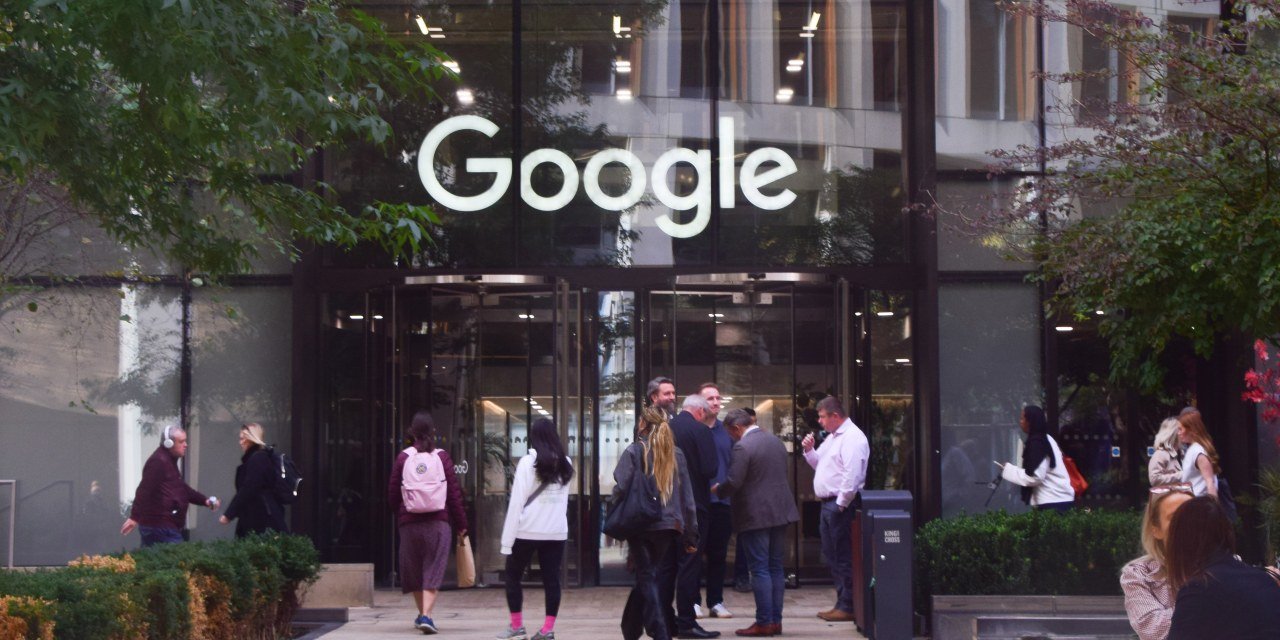
The trend spans organizations of all sizes, from small startups to major tech giants including Meta and Google. Companies are seeking to quantify productivity gains from AI tools while ensuring employees are actually using the technology as intended.
This monitoring approach reflects a broader shift in how companies evaluate worker performance in an AI-augmented workplace. Rather than traditional metrics alone, organizations are now looking at how effectively employees leverage AI tools to complete tasks and drive results.
The Enforcement Challenge
Tracking AI usage presents unique challenges for employers. Unlike traditional software that logs usage automatically, many AI tools operate through conversational interfaces that make monitoring more complex. Companies are developing various methods to address this:
- Integration with existing productivity tracking systems
- Usage analytics built into AI platforms
- Periodic audits of employee work products
- Training programs to ensure proper tool utilization
Performance Review Integration
Some companies are going beyond simple tracking to incorporate AI usage metrics into formal performance evaluations. This approach aims to reward employees who effectively integrate AI into their workflows while identifying those who may be falling behind in adopting new technologies.
The practice raises questions about fairness and measurement accuracy. Critics argue that AI usage alone doesn't necessarily correlate with productivity or quality of work, and that overemphasis on tool adoption could lead to superficial rather than substantive improvements.
Industry-Wide Trend
This monitoring trend appears to be accelerating as AI tools become more prevalent in workplace settings. Companies view AI adoption as critical for maintaining competitive advantage, and they're increasingly willing to invest in systems that ensure employees are using these tools effectively.
The approach also reflects growing pressure on tech companies to demonstrate return on investment for their substantial AI expenditures. By tracking usage and linking it to performance, organizations hope to justify continued investment in AI infrastructure and tools.
Privacy and Trust Concerns
Employee monitoring of AI usage raises potential privacy issues and could impact workplace trust. Workers may feel uncomfortable knowing their interactions with AI tools are being tracked and evaluated, particularly if the monitoring extends to the content of their queries or the nature of their AI-assisted work.
Companies implementing these systems will need to balance their desire for productivity data with employee privacy expectations and the potential impact on workplace culture.
Future Implications
The trend toward AI usage tracking and enforcement suggests a future workplace where technology adoption becomes a formal part of job performance. This could accelerate AI integration across industries but may also create new forms of workplace stress and inequality between tech-savvy and less technically inclined employees.
As AI tools continue to evolve and become more sophisticated, the metrics companies use to evaluate their effectiveness will likely become more nuanced, potentially moving beyond simple usage counts to assess the quality and impact of AI-assisted work.
The Wall Street Journal's reporting highlights how the integration of AI into workplace performance evaluation represents a significant shift in management practices, one that could reshape how companies think about productivity, skill development, and employee assessment in the coming years.
Comments
Please log in or register to join the discussion