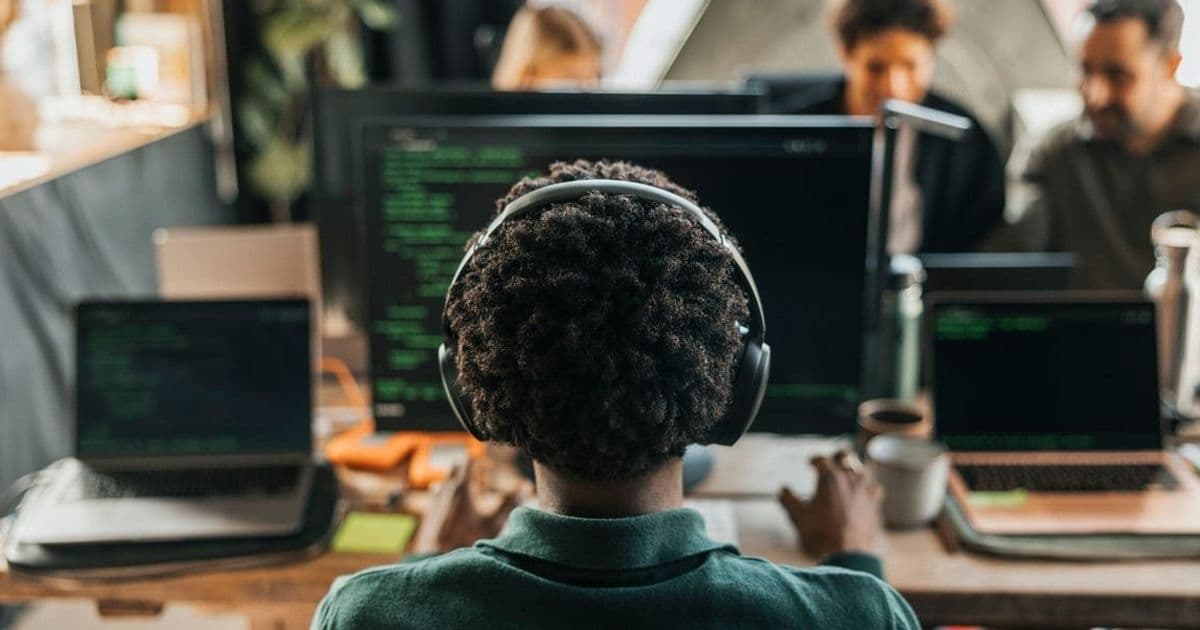
The US tech sector's job losses since 2022 have surpassed previous downturns, while AI companies like Anthropic face government scrutiny and major tech firms navigate new partnerships and regulatory challenges.
The US tech sector is experiencing an unprecedented employment downturn, with job losses since 2022 now exceeding those seen during the 2008 financial crisis and the 2020 pandemic recession, according to recent labor data. This marks a significant shift in the technology industry's trajectory, as companies grapple with post-pandemic adjustments, AI-driven automation, and changing market dynamics.
The scale of these losses is particularly notable given the tech industry's historical resilience during economic downturns. While previous recessions saw temporary hiring freezes or modest reductions, the current wave of layoffs suggests a more fundamental restructuring of the sector. Major tech companies have announced thousands of job cuts, with many citing efficiency drives and the need to reallocate resources toward AI development.
Meanwhile, the AI industry itself faces mounting government scrutiny. Anthropic, one of the leading AI developers, has been designated a supply chain risk by the Department of Defense, prompting Google and Amazon to clarify their continued partnerships for non-defense applications. The Pentagon's interest in securing AI capabilities reflects growing concerns about technological competition with China and the potential for AI to become a strategic asset in national security.
This regulatory pressure comes as Anthropic launches new commercial initiatives, including a marketplace that allows companies to purchase third-party software using their committed spending on Anthropic's services. The move represents an effort to expand beyond core AI model development into a broader enterprise ecosystem, potentially insulating the company from some government pressures.
On the hardware front, semiconductor company Marvell Technology saw its stock jump 18.35% after reporting strong Q4 results driven by AI demand. The company's revenue grew 22% year-over-year to $2.2 billion, with guidance pointing to continued strength in AI-related applications. This performance underscores how the AI boom is creating winners and losers across the tech landscape.
Microsoft's gaming division also made headlines with the appointment of new CEO Asha Sharma, who teased the next-generation Xbox, codenamed Project Helix. Sharma described the console as leading in performance and capable of playing both Xbox and PC games, signaling Microsoft's continued investment in gaming despite broader industry layoffs.
The regulatory environment for tech companies continues to evolve rapidly. The Trump administration released a new cyber strategy emphasizing offensive operations and AI technology security, while the General Services Administration proposed tightening rules for civilian AI contracts. These developments suggest increased government oversight of the tech sector's most critical technologies.
Financial markets are also feeling the impact of these industry shifts. Prediction market platforms Kalshi and Polymarket are reportedly seeking valuations of approximately $20 billion each, more than double their previous valuations. This surge reflects growing interest in alternative financial instruments and the potential for AI to transform trading and prediction markets.
For workers in the tech sector, these changes present both challenges and opportunities. While traditional roles in software development, IT support, and content creation face disruption from AI tools, new positions are emerging in AI development, model training, and AI safety. The key question for many professionals is whether they can adapt quickly enough to remain relevant in an industry being reshaped by artificial intelligence.
As the tech sector navigates this period of transformation, the combination of job losses, regulatory scrutiny, and rapid technological change suggests we may be witnessing not just a cyclical downturn but a fundamental restructuring of the industry. The companies and workers who can successfully adapt to the AI-driven future may emerge stronger, while those unable to pivot could face continued challenges in the years ahead.
Comments
Please log in or register to join the discussion