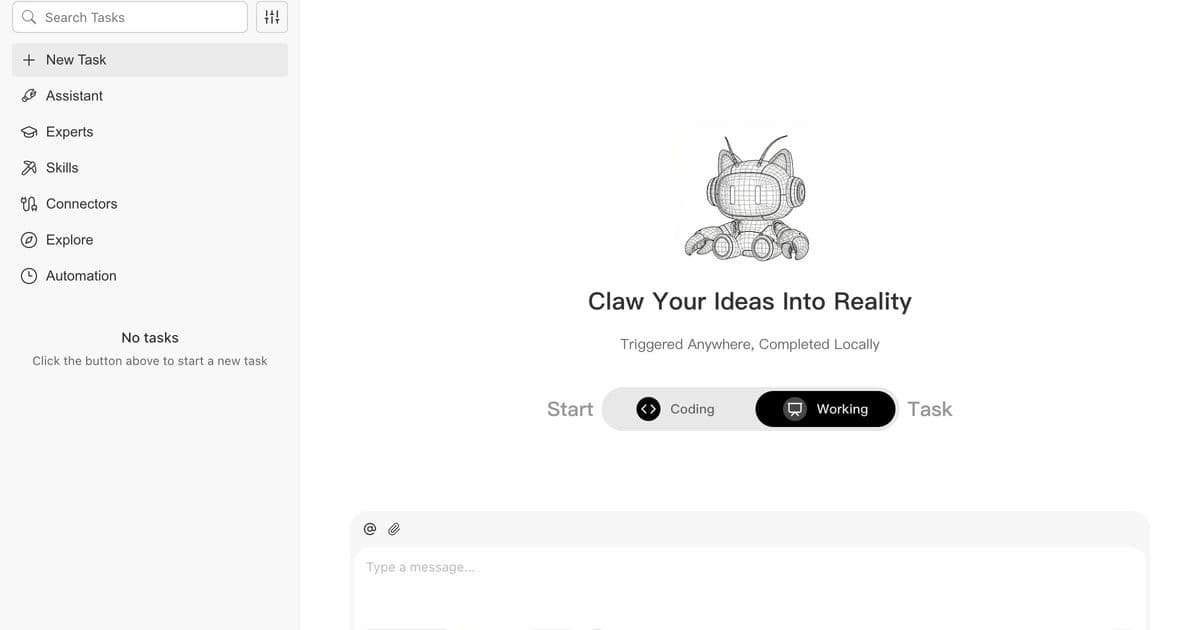
Tencent Cloud brings its WorkBuddy AI productivity platform to international markets after successful domestic deployment, positioning itself in the competitive AI assistant space with multi-platform integration and specialized workflow capabilities.
Tencent Cloud has officially expanded its artificial intelligence presence globally with the launch of WorkBuddy, a productivity-focused AI agent designed to streamline office workflows and enhance task management across various professional and educational environments. The move follows the product's initial rollout in China and represents Tencent's strategic entry into the increasingly competitive AI productivity market.
Understanding WorkBuddy's Value Proposition
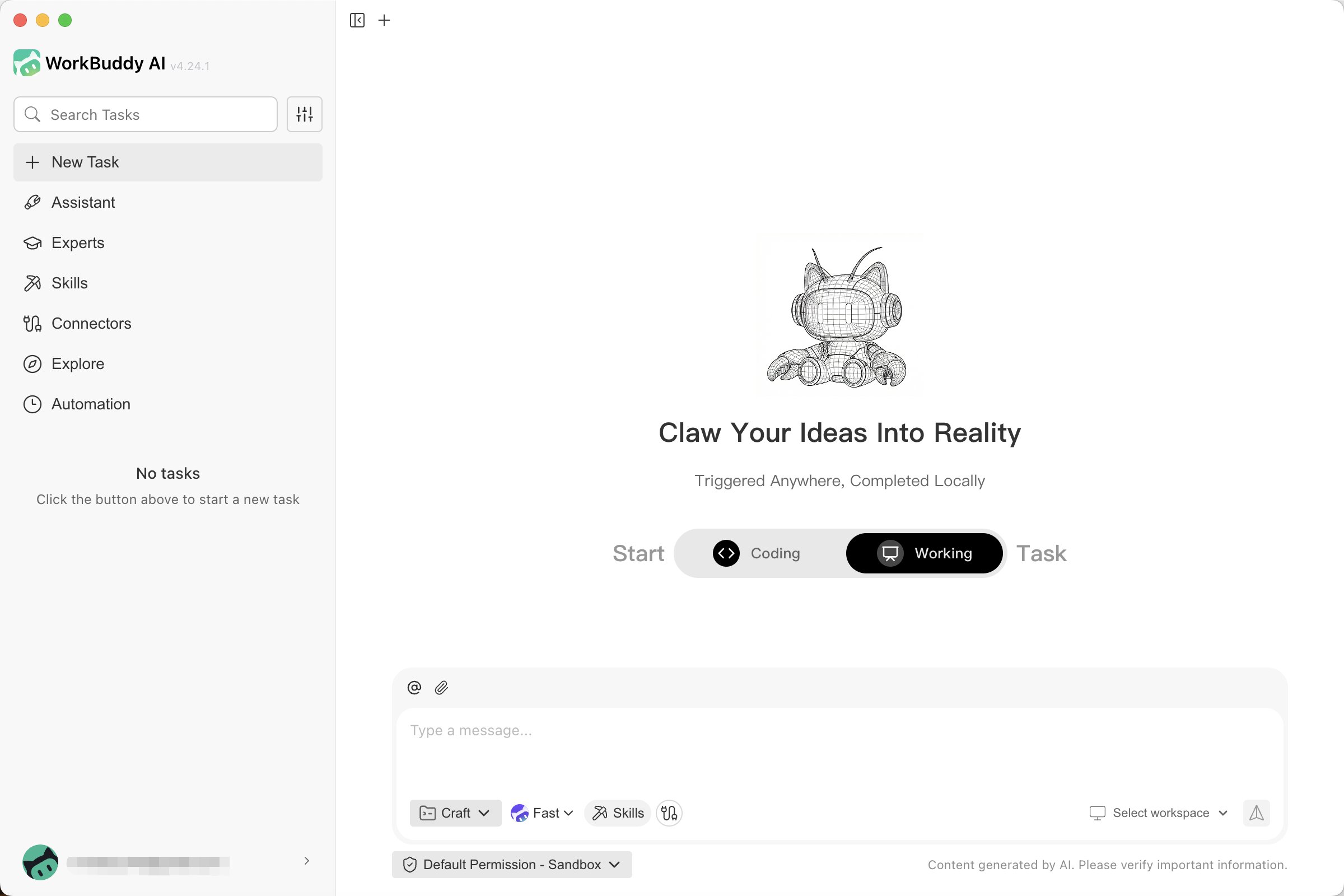
WorkBuddy addresses a common challenge in modern workplaces: the fragmentation of tools and information across multiple platforms. By acting as a centralized AI assistant, it enables users to break down complex tasks, coordinate external tools, and generate deliverables through natural language interactions. This approach reduces the cognitive load on professionals who must navigate between different applications while maintaining context across their work.
The product's design reflects Tencent's understanding of contemporary work patterns, which increasingly involve remote collaboration and digital-first interactions. WorkBuddy supports task execution across major messaging platforms including Slack, Telegram, Discord, and WeChat, making it accessible to diverse global work environments.
Technical Architecture and Integration Capabilities
What sets WorkBuddy apart from many productivity AI tools is its robust integration framework. The platform connects with essential workplace tools through Model Context Protocol (MCP), allowing seamless interaction with platforms like GitHub, Jira, Google Drive, Gmail, Notion, and Slack. This integration enables WorkBuddy to not only access information but also take actions across these systems, creating a truly automated workflow experience.
The platform includes more than 100 built-in expert roles, each tailored to specific professional functions. These specialized AI personas can provide contextually appropriate assistance based on the user's needs, whether they're managing software development projects, coordinating marketing campaigns, or conducting academic research.
For organizations with existing AI infrastructure, WorkBuddy offers flexibility through API key support, allowing integration with custom or preferred language models. This approach acknowledges that different organizations have varying requirements for AI capabilities and may need to maintain certain model preferences for consistency or compliance reasons.
Market Context and Competitive Positioning
The global AI productivity market has seen significant growth, with major tech companies and startups alike developing solutions to enhance workplace efficiency. WorkBuddy enters this landscape with several potential advantages:
- Tencent's existing global infrastructure and user base
- Experience gained from the product's deployment in China's competitive market
- Multi-platform compatibility that reduces friction for users
- Integration with tools already widely adopted in enterprise environments
The product's focus on practical workflow applications rather than general-purpose assistance positions it as a specialized tool for productivity enhancement. This targeted approach may appeal to organizations looking for AI solutions that address specific pain points rather than attempting to replace multiple existing tools.
Implications for the Future of Work
WorkBuddy's launch comes at a time when organizations continue to refine their approaches to remote and hybrid work. The COVID-19 pandemic accelerated digital transformation, but many companies still struggle with tool fragmentation and inefficient workflows. AI assistants like WorkBuddy represent one approach to addressing these challenges by creating more cohesive digital work experiences.
The inclusion of expert roles suggests a recognition that different professions require different types of AI assistance. Rather than a one-size-fits-all solution, WorkBuddy aims to provide specialized support that understands the nuances of various fields, from software development to academic research.
For Tencent, this global expansion represents a significant investment in the AI productivity space. While specific funding details for WorkBuddy weren't disclosed, the development and deployment of such a platform require substantial resources, indicating Tencent's commitment to competing in the enterprise AI market.
Adoption Considerations
As organizations evaluate AI productivity tools like WorkBuddy, several factors will likely influence adoption decisions:
Data Privacy and Security: Given the nature of workplace data, organizations will need assurances about how WorkBuddy handles sensitive information.
Integration Complexity: Despite its compatibility with multiple platforms, organizations may still face challenges integrating WorkBuddy with their existing tech stack.
Customization Needs: The extent to which WorkBuddy can be tailored to specific organizational workflows will impact its utility.
Cost Structure: Pricing models for enterprise AI tools can significantly affect accessibility, particularly for small and medium-sized businesses.
Tencent hasn't yet disclosed specific details about WorkBuddy's pricing or availability for different market segments, which will be crucial information for potential users and partners.
Conclusion
Tencent's global launch of WorkBuddy signals the company's ambition to become a significant player in the AI productivity space. By focusing on practical workflow integration and multi-platform compatibility, the product addresses real challenges faced by modern organizations navigating increasingly complex digital work environments.
As AI continues to transform how we work, tools like WorkBuddy may become essential components of the digital workplace, helping professionals manage their tasks more efficiently while reducing the friction caused by tool fragmentation. For Tencent, this expansion represents both a business opportunity and a chance to demonstrate its AI capabilities on a global stage.
The success of WorkBuddy in international markets will depend on several factors, including its ability to deliver on its promises of seamless integration and productivity enhancement, as well as how well it addresses the specific needs of different industries and regions. As the AI productivity market continues to evolve, WorkBuddy's development will be worth watching as an indicator of both market trends and Tencent's strategic direction in artificial intelligence.
Comments
Please log in or register to join the discussion