
A high‑budget AI‑generated short claimed a Cannes debut, sparking debate over hype, verification, and the growing gap between AI‑driven content creation and traditional festival gatekeeping.
A bold claim that slipped through the cracks
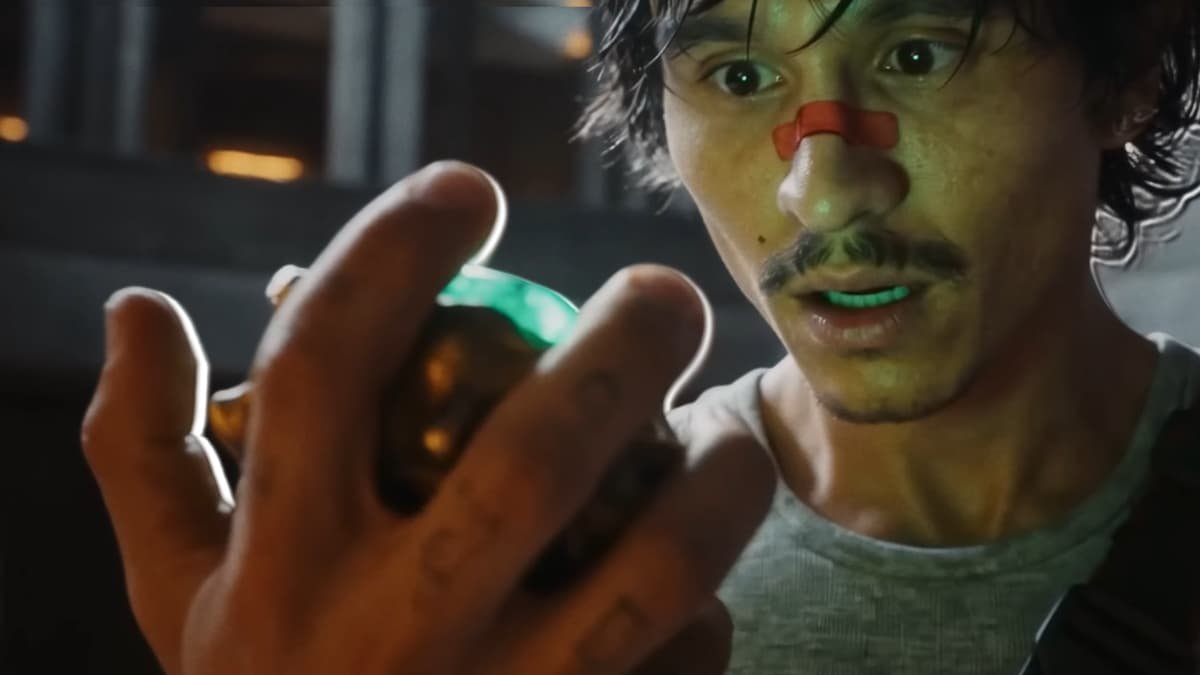
When a press release announced a $500,000 AI‑generated short film had "premiered at Cannes," the tech community reacted with a mix of excitement and skepticism. The announcement appeared on the Firethering blog, accompanied by glossy screenshots and a trailer that showcased photorealistic characters rendered entirely by generative models. Yet a quick check of the Cannes official program revealed no such entry, and festival organizers later issued a brief statement that the film had not been part of any official selection.
Why the story gained traction so fast
- High production budget for an AI project – Half a million dollars is a sizable sum for a work that claims to be produced without a traditional crew. The figure alone made headlines in AI‑art circles.
- The Cannes cachet – Cannes remains a cultural shorthand for prestige. Tagging a project with the festival name instantly elevates its perceived legitimacy.
- Lack of immediate fact‑checking – Early articles reproduced the claim without reaching out to the festival’s press office, allowing the narrative to spread before verification could catch up.
The technology behind the film
The short leveraged several recent advances:
- Text‑to‑video diffusion models such as Runway Gen‑2 to generate motion sequences from scripted prompts.
- Neural radiance fields (NeRF) for 3D scene reconstruction, enabling realistic camera moves without physical sets.
- AI‑driven voice synthesis (e.g., ElevenLabs) for dialogue, eliminating the need for voice actors.
- Post‑production tools like DaVinci Resolve's AI features for color grading and upscaling.
These components allowed a small team to produce a feature‑length visual quality piece at a fraction of the cost of a conventional shoot. However, the reliance on AI also introduced artifacts—subtle flickering in background elements and occasional lip‑sync mismatches—that seasoned viewers could spot.
Community sentiment: hype versus caution
The optimistic camp
Developers and AI artists celebrated the project as proof that high‑budget visual storytelling is no longer the exclusive domain of studios. Threads on r/MachineLearning and Hacker News highlighted the potential for independent creators to compete for festival slots, arguing that the barrier to entry is collapsing.
The skeptical camp
Critics pointed out two main concerns:
- Verification fatigue – The incident reinforced fears that AI‑generated press releases can outpace fact‑checking, leading to a “fake news” problem within tech journalism.
- Artistic authenticity – Some argued that a film assembled primarily by algorithms, even with a large budget, raises questions about authorship and the role of human craftsmanship.
Counter‑perspectives from the festival and industry insiders
- Cannes officials clarified that while the festival has begun experimenting with AI‑created works in side events, the short in question was never part of the official competition or market screenings.
- Film critics noted that the visual polish, while impressive, still lacks the narrative depth often associated with Cannes selections. They suggested that the hype may have been more about the process than the product.
- AI ethicists warned that attaching prestigious brand names to AI projects without verification could erode trust in both the festivals and the emerging AI art ecosystem.
What this means for future AI‑driven productions
- Verification will become a standard step – Media outlets are likely to adopt a checklist that includes confirming festival participation before publishing.
- Funding models may shift – Investors might allocate larger budgets to AI projects, but they will also demand clearer metrics of success beyond headline‑grabbing claims.
- Festival policies will evolve – As AI works increase in volume, festivals may create dedicated categories or screening tracks, reducing the incentive for creators to misrepresent their status.
Bottom line
The $500K AI short sparked a conversation that goes beyond a single false claim. It highlighted how quickly AI can produce cinema‑level visuals, while also exposing the need for rigorous fact‑checking and a deeper dialogue about artistic value in a world where machines can generate most of the visual content. As the community watches the next wave of AI‑crafted media, the balance between hype and substance will determine whether these works earn genuine festival recognition—or remain impressive footnotes in the story of AI’s rise.
Comments
Please log in or register to join the discussion