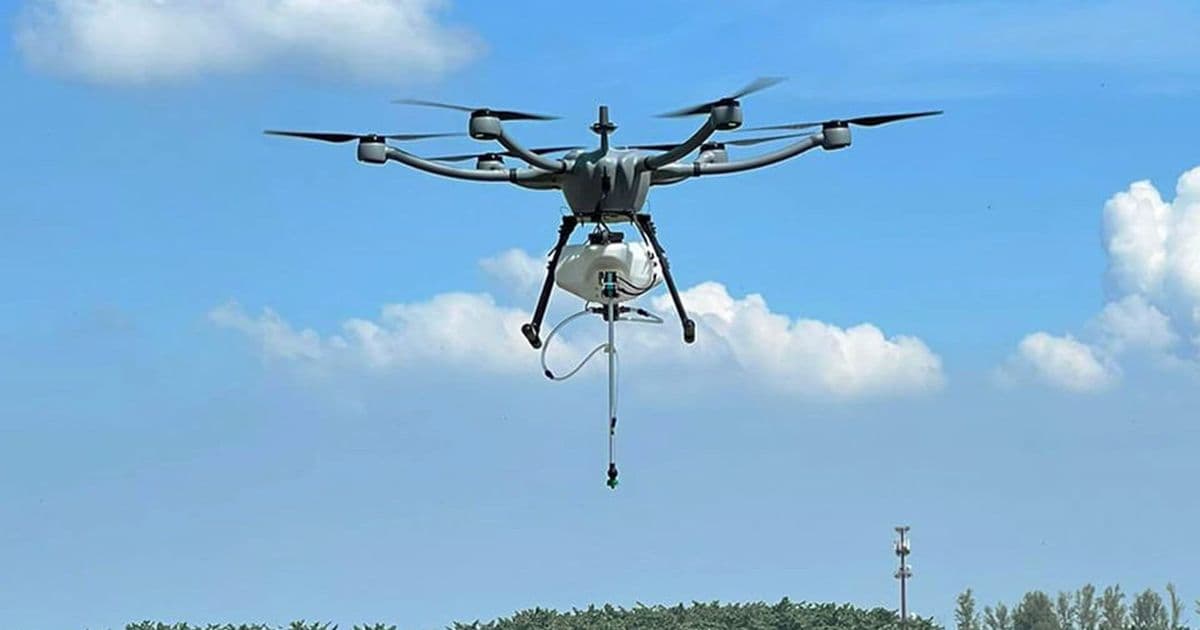
Ishinomaki City deploys Terra Drone's non-lethal bear-repelling drones with 10cm spray accuracy and 1km range amid record bear encounters, showcasing advanced industrial applications for semiconductor technologies.
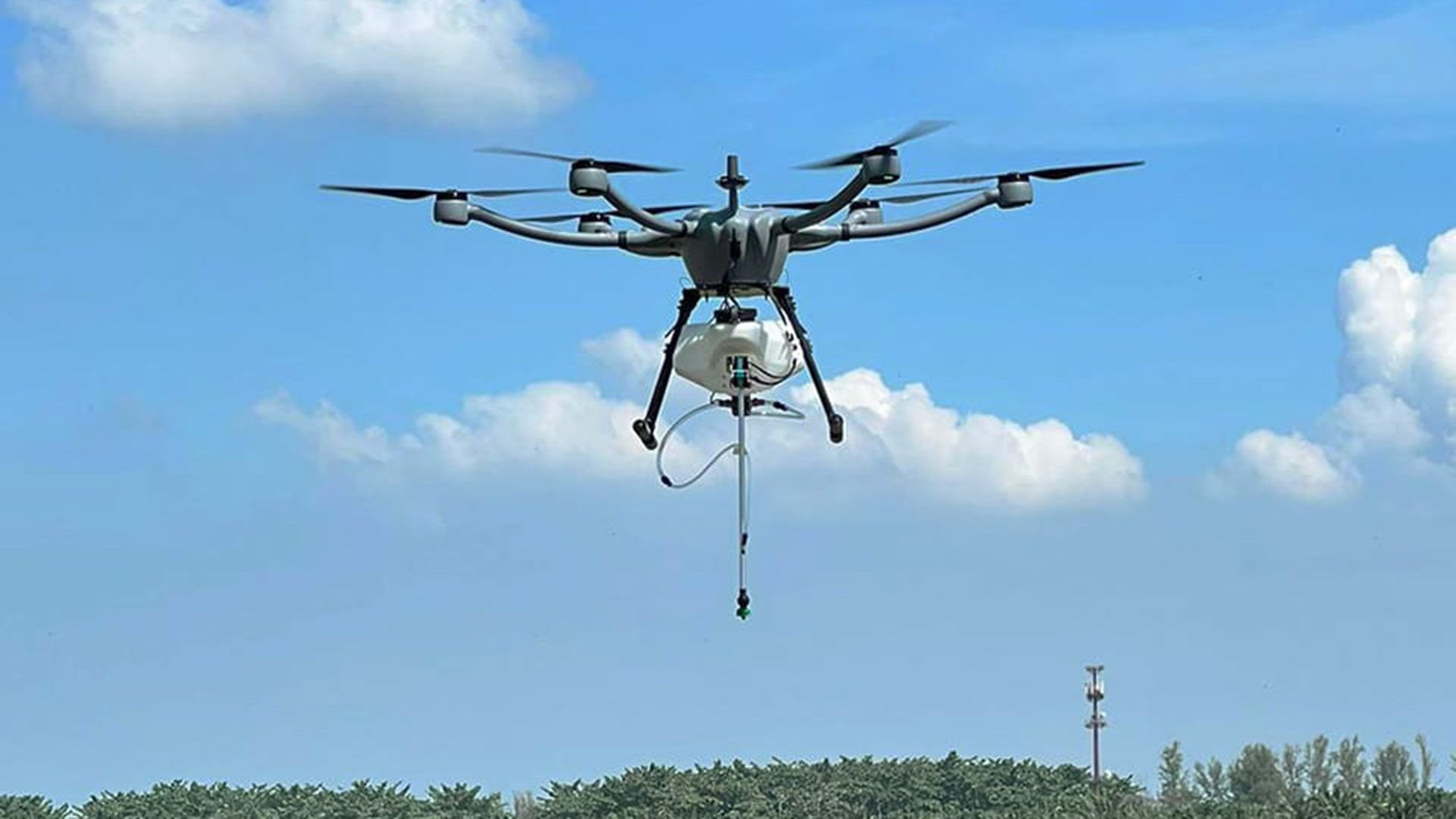
Ishinomaki City in Japan's Miyagi Prefecture has implemented Terra Drone's anti-bear drone system to combat record-high bear encounters, leveraging semiconductor-driven precision technology. According to Terra Drone's announcement, Japan experienced 20,792 human-bear incidents nationwide in 2023 – a 163% increase since 2021 – resulting in 100 injuries and over 12 fatalities. This surge stems from declining hunting licenses (down from 500,000 in 1975 to 220,000 in 2020), urban expansion into bear habitats, and restrictions on lethal wildlife control measures.
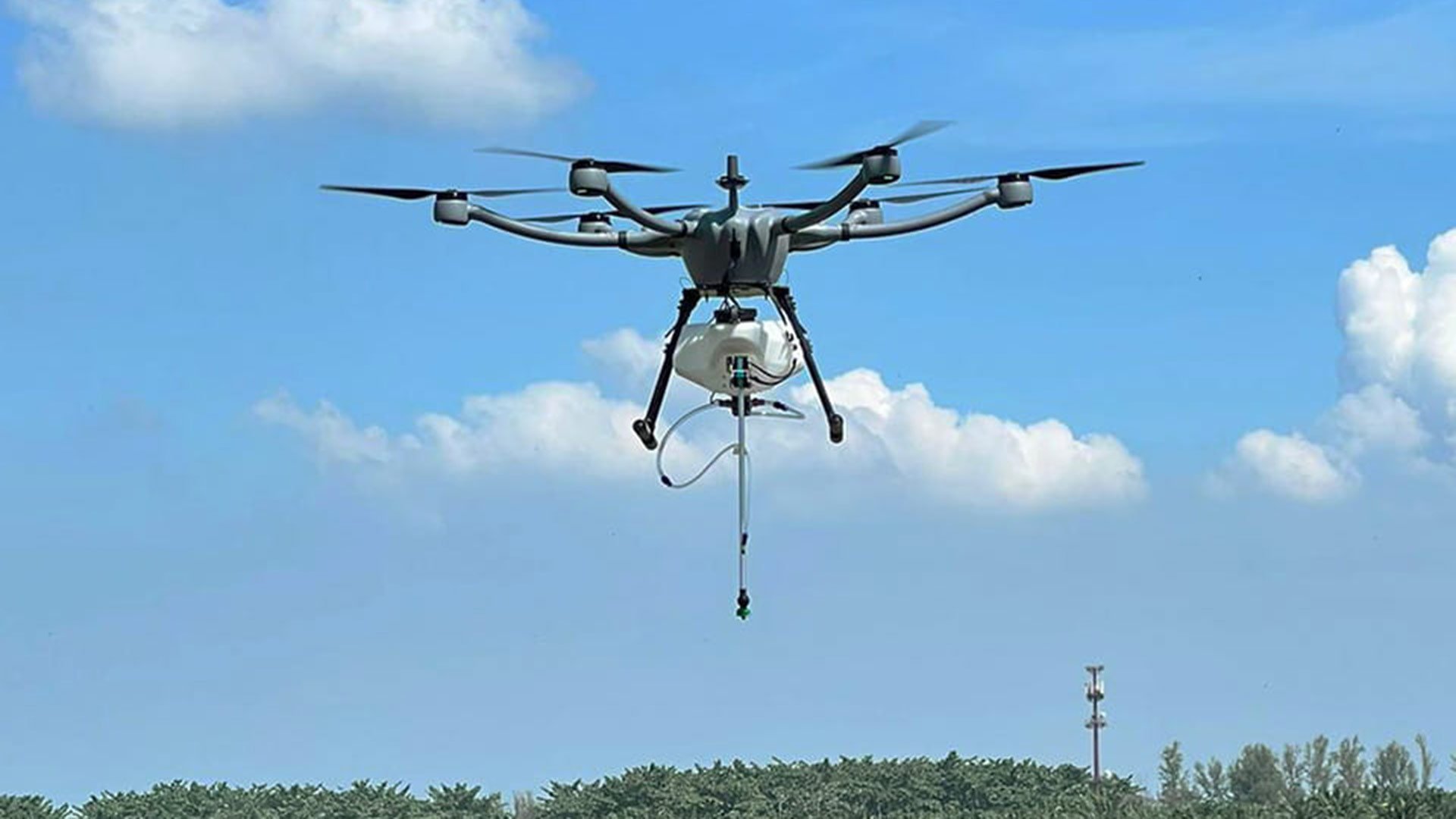
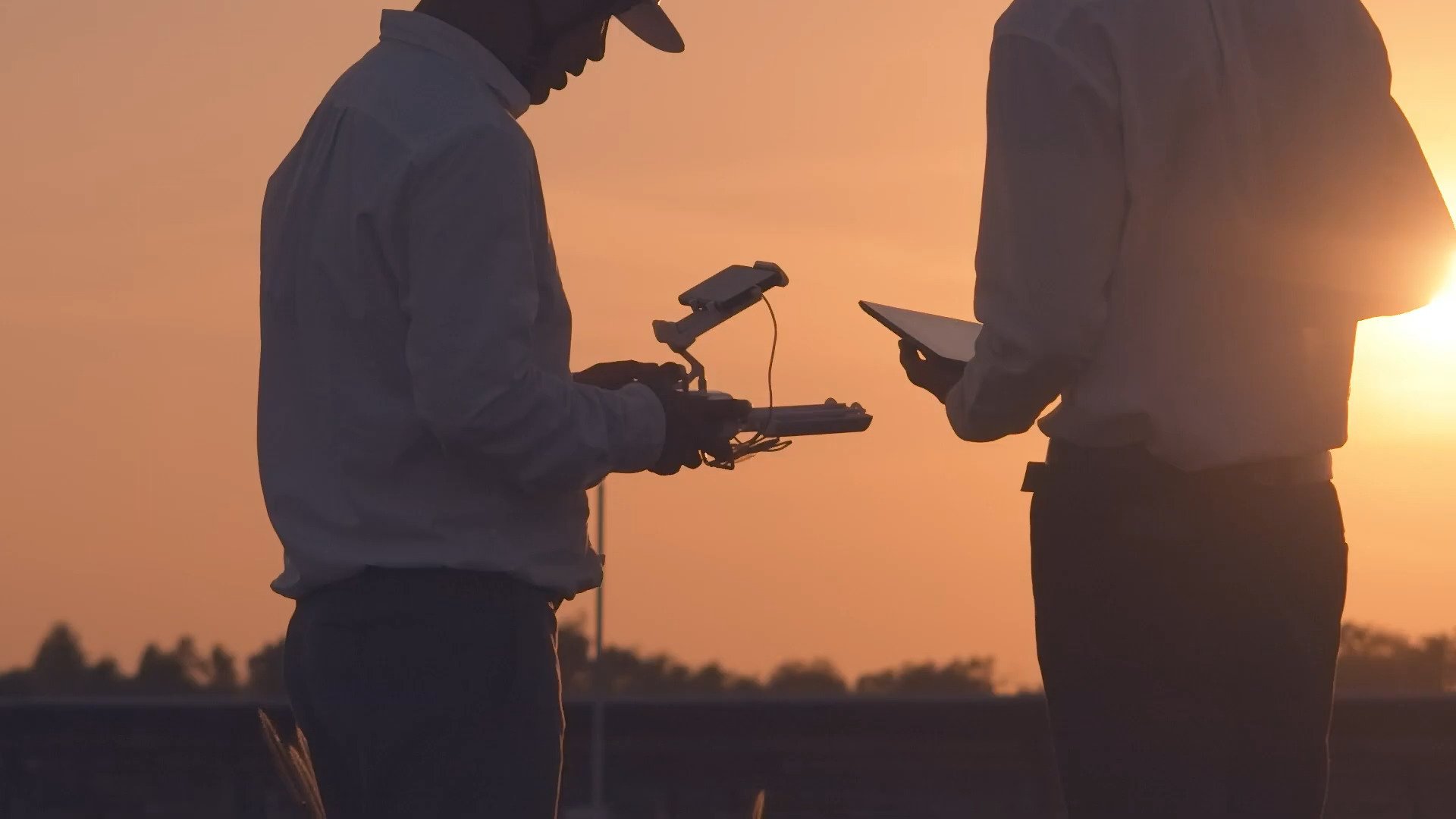
The drone system employs capsaicin spray dispensers mounted on quadcopters, achieving a 10cm targeting accuracy radius at distances of 5-10 meters from targets. Operators control units from up to 1km away using low-latency communication chips, likely leveraging sub-6GHz RF transceivers built on mature 28nm or 40nm process nodes for reliability in rural environments. Flight control systems integrate inertial measurement units (IMUs) combining MEMS accelerometers and gyroscopes, while navigation relies on dual-frequency GNSS receivers with real-time kinematic (RTK) correction for centimeter-level positioning. These components collectively enable the drones' rapid deployment within minutes of bear sightings.
Semiconductor demand for industrial drones is rising sharply, with MarketsandMarkets projecting the global market to reach $52.3 billion by 2026. Terra Drone's adaptation of agricultural pesticide-spraying technology for wildlife management exemplifies this trend. The spray mechanism's 10cm accuracy necessitates high-precision flow sensors and microcontrollers managing valve timing – components typically fabricated on 180nm to 90nm nodes for cost efficiency. This deployment demonstrates how mature semiconductor nodes remain critical for specialized industrial applications despite industry focus on leading-edge chips.
Supply chain dynamics favor manufacturers with diversified production capabilities. Terra Drone sources components from Japanese and Korean semiconductor firms specializing in industrial-grade ICs, avoiding congestion in consumer electronics supply chains. With bear incidents increasing across Japan, similar deployments could drive 15-20% annual growth for industrial drone semiconductors through 2027, particularly benefiting suppliers of power management ICs (PMICs) for extended flight times and ruggedized image processors for terrain mapping.

This non-military application highlights semiconductor technology's role in solving ecological challenges. As Terra Drone scales deployments, expect increased demand for radiation-hardened memory (for reliability in varied climates) and edge AI processors capable of bear identification via onboard cameras – potentially utilizing 12nm inference accelerators for low-power operation. The system's operational success could accelerate adoption across forestry and agriculture sectors, reinforcing industrial drones as a stable growth vector amid fluctuating consumer electronics demand.
Comments
Please log in or register to join the discussion