Thailand is expanding its wellness tourism sector through public-private partnerships, combining medical care, beauty treatments, and travel experiences to attract affluent international visitors and boost economic growth.
Thailand is launching an ambitious wellness tourism initiative that combines medical care, beauty treatments, and luxury travel experiences to attract high-net-worth foreign visitors and stimulate economic growth in the country's core tourism sector.
Public-Private Partnership Drives Wellness Strategy
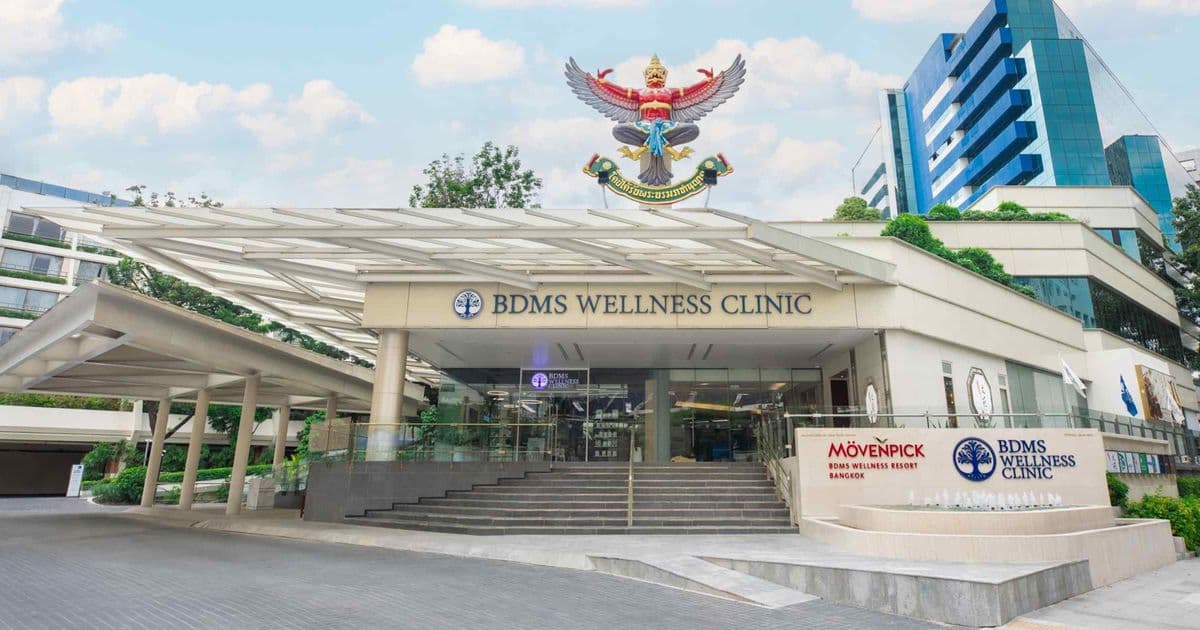
The initiative represents a coordinated effort between Thailand's private healthcare providers and government agencies. Bangkok Dusit Medical Services (BDMS), which operates 60 hospitals primarily in Thailand, is leading the private sector push through its BDMS Wellness Clinic division.
This public-private collaboration aims to position Thailand as a premium destination for medical tourism, targeting affluent travelers from markets including China, India, Japan, and Western countries who seek comprehensive wellness experiences.
Expanding Beyond Traditional Medical Tourism
While Thailand has long been known for medical tourism, this new strategy goes beyond basic healthcare services. The wellness tourism concept integrates multiple elements:
- Medical consultations and treatments
- Beauty and aesthetic procedures
- Luxury accommodations and spa services
- Cultural experiences and sightseeing
- Personalized wellness programs
This holistic approach targets travelers willing to spend significantly more than traditional medical tourists, with packages often including extended stays and premium services.
Economic Context and Growth Strategy
The wellness tourism push comes as Thailand seeks to diversify its economy and reduce reliance on traditional tourism models. The country has been working to attract higher-value visitors who contribute more to the local economy per capita.
Related developments in Thailand's healthcare and tourism sectors include:
- Thai Airways expecting 5% revenue growth in 2026 driven by increased flights to India and China
- Central Group's $225 million mall expansion in Phuket targeting international visitors
- PTT's diversification into healthcare to reduce oil business exposure
Regional Competition and Market Positioning
Thailand faces competition from other Asian destinations pursuing similar strategies. Singapore has been actively promoting its medical tourism sector, aiming to fuse Eastern and Western medical approaches. Japan has launched pilot projects near airports to facilitate medical tourism, while Indonesia's health tech startups are refining pediatric care access.
To differentiate itself, Thailand is leveraging its established healthcare infrastructure, competitive pricing compared to Western countries, and reputation for hospitality. The country's warm climate and diverse attractions also provide advantages for wellness-focused travel.
Implementation and Future Outlook
The wellness tourism initiative is being rolled out through multiple channels, including partnerships with international travel agencies, targeted marketing campaigns in key source markets, and development of specialized facilities at major hospitals.
Success metrics will likely include:
- Increased average spending per medical tourist
- Longer visitor stays
- Higher repeat visitation rates
- Growth in premium wellness service revenue
The strategy aligns with broader trends in global healthcare, where preventive care and wellness services are becoming increasingly important. As populations in developed countries age and health consciousness rises, demand for comprehensive wellness experiences is expected to grow.
Thailand's ability to execute this strategy effectively could significantly impact its tourism sector's contribution to GDP and create new employment opportunities in healthcare, hospitality, and related services. The country's success may also influence how other Southeast Asian nations approach medical and wellness tourism development.
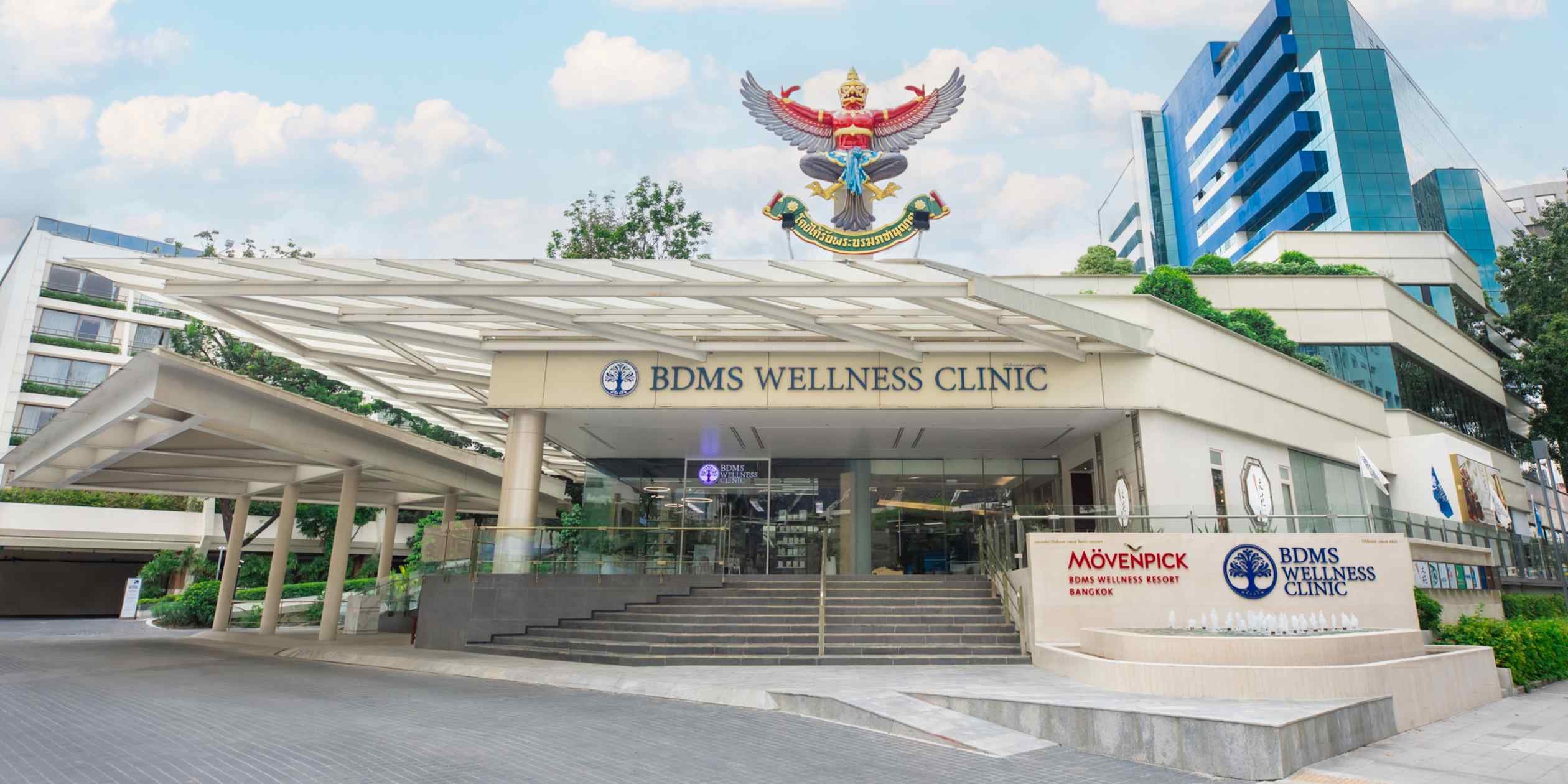
Featured image: Thailand's wellness tourism initiative combines medical care, beauty treatments, and luxury travel experiences to attract high-end international visitors.
Comments
Please log in or register to join the discussion