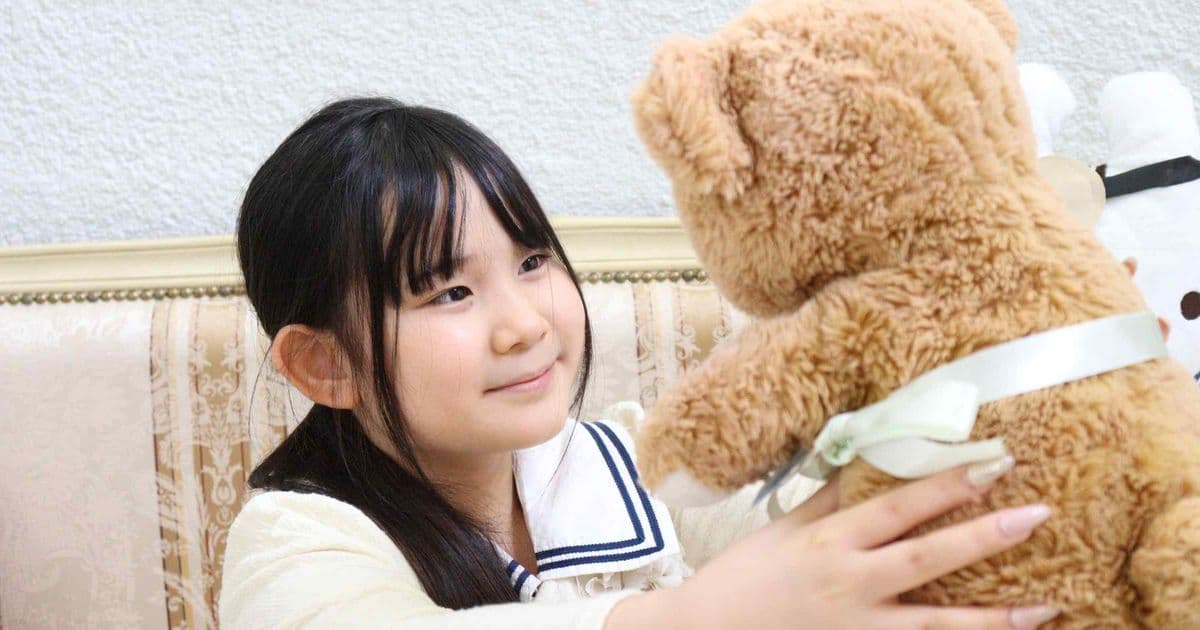
A niche service sector is thriving in Japan as consumers treat plush toys as family members, driving demand for specialized cleaning and repair. Companies like Yonmarusan and Delight Makers are seeing growth rates of 300% to 40%, with foreign tourists and social media trends fueling a market projected to reach $1 billion by 2029.
In Japan, a quiet but significant shift in consumer behavior is creating a multi-million dollar service industry. It's not about technology or software, but about the emotional attachment to plush toys. What was once a childhood pastime has evolved into a full-fledged adult hobby, complete with its own ecosystem of specialized businesses. This trend, known as "nuikatsu"—the enjoyment of going out and taking photos with plush toys—is being driven by social media platforms like TikTok and Instagram, which have made it easier for people to express their preferences and share their lives with their stuffed companions.
The core of this industry lies in two primary services: deep cleaning and complex repair. For companies like Yonmarusan, based in Fujikawaguchiko, Yamanashi prefecture, the business has exploded. In 2025, the company handled approximately 800 plush toy cleaning and repair requests per month, a staggering increase from just 50 per month in 2022. This 16-fold growth was catalyzed by the company's strategic use of social media, where it posted behind-the-scenes looks at its meticulous repair process. The content resonated, and demand now even comes from abroad, with Yonmarusan receiving about 10 orders per month from foreign tourists, primarily from China and Taiwan.
The process is far from a simple wash. Yonmarusan employs over 25 different washing processes, selected based on fabric type and stain severity. Each toy undergoes pre-treatment with proprietary stain-removal agents, followed by a shampooing with carefully calibrated water temperatures and detergents. After a full day of natural air-drying, the fur is groomed using seven different brushes, chosen by length and stiffness, before being finished with an industrial iron. Hisako Mori, who leads the repair team at Yonmarusan, emphasizes that every step is designed to protect the toy's individuality. "We sometimes receive the same model of plush toys, but their face and texture differ depending on the owner," she notes. The company's philosophy, understood by its international clientele, is to "remove the stains, but never the memories." For tourist customers, repaired toys are often delivered directly to their hotels, ensuring they don't have to make the return journey home alone.
While Yonmarusan focuses on cleaning, other companies specialize in surgical repair. Delight Makers, a Yokohama-based company operating the service "Nuigurumi no Oishasan" (Plush Toy Doctor), has handled approximately 13,000 toys since its launch in 2018. CEO Miki Sugino states, "For our customers, plush toys are part of the family." The company deals with a range of ailments, from flattened internal stuffing to accidentally amputated limbs. The repair process is highly consultative; after assessing the materials and condition, the team develops a repair plan with the customer. If one limb is missing, patterns are recreated from the remaining one. If both are lost, restoration is based on photographs. The team searches for matching fabric or dyes a substitute material to achieve a perfect match. The process typically takes one to two months, with customers receiving photo updates via a dedicated chat system to ease the anxiety of separation. Despite an average repair cost of around 40,000 yen ($253), 30% to 40% of clients are repeat customers, and orders in 2025 were up 40% from five years earlier.
Another player, Atdea in Saitama prefecture, differentiates itself by using rice-derived natural soap for shampooing, appealing to consumers seeking natural and gentle cleaning methods. The collective success of these businesses is underpinned by a broader market trend. Research firms Global Information in Japan and Technavio in the U.K. project Japan's plush toy market to reach about $1 billion in 2029, a roughly 50% increase from the 2025 estimate. This growth isn't limited to repair services. The trend is spawning a range of related businesses. Hospitality companies are taking notice. Business hotel operator Toyoko Inn is running campaigns at around 60 locations, offering miniature gowns and beds for guests' stuffed companions. Hoshino Resort, based in Karuizawa, Nagano prefecture, provides experiential lodging plans that make it easy for guests to attach their plush toys to bicycles for a ride together.
Komichi Horiguchi, CEO of Cocoro, which operates "Nuigurumi Byoin" (Plush Toy Hospital) in Toyonaka, Osaka prefecture, attributes the fad directly to the rise of social media. "The rise of social media has made it easier for people to express their preferences, fueling demand for nuikatsu," she explains. This connection between digital expression and physical service demand highlights a modern consumer behavior where online communities validate and amplify niche hobbies, creating tangible economic opportunities. The industry's growth is a clear example of how emotional value can be monetized, with businesses building their models around preserving personal memories rather than just restoring objects. As the market continues to expand, the focus on craftsmanship, individuality, and customer empathy will likely remain the key differentiators in this uniquely Japanese service sector.
Comments
Please log in or register to join the discussion