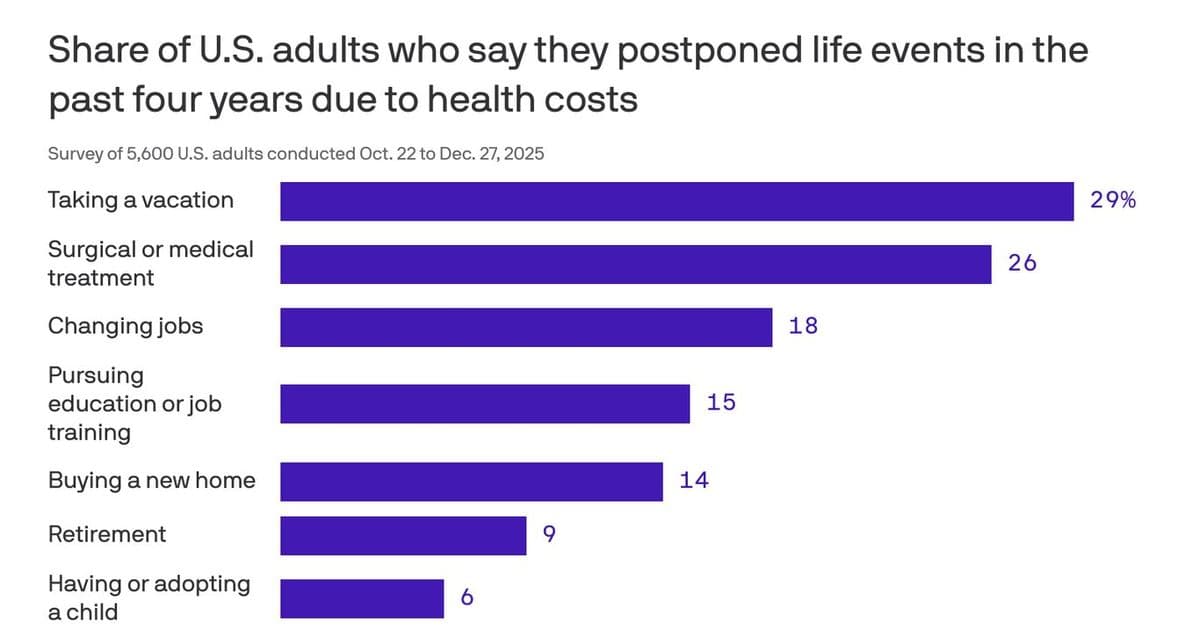
New survey reveals the extreme financial sacrifices Americans make to afford healthcare, from depleting savings to taking on debt and delaying retirement.
A new survey reveals the staggering financial sacrifices Americans make to afford healthcare, with millions depleting savings, taking on debt, and delaying major life milestones to cover medical costs.
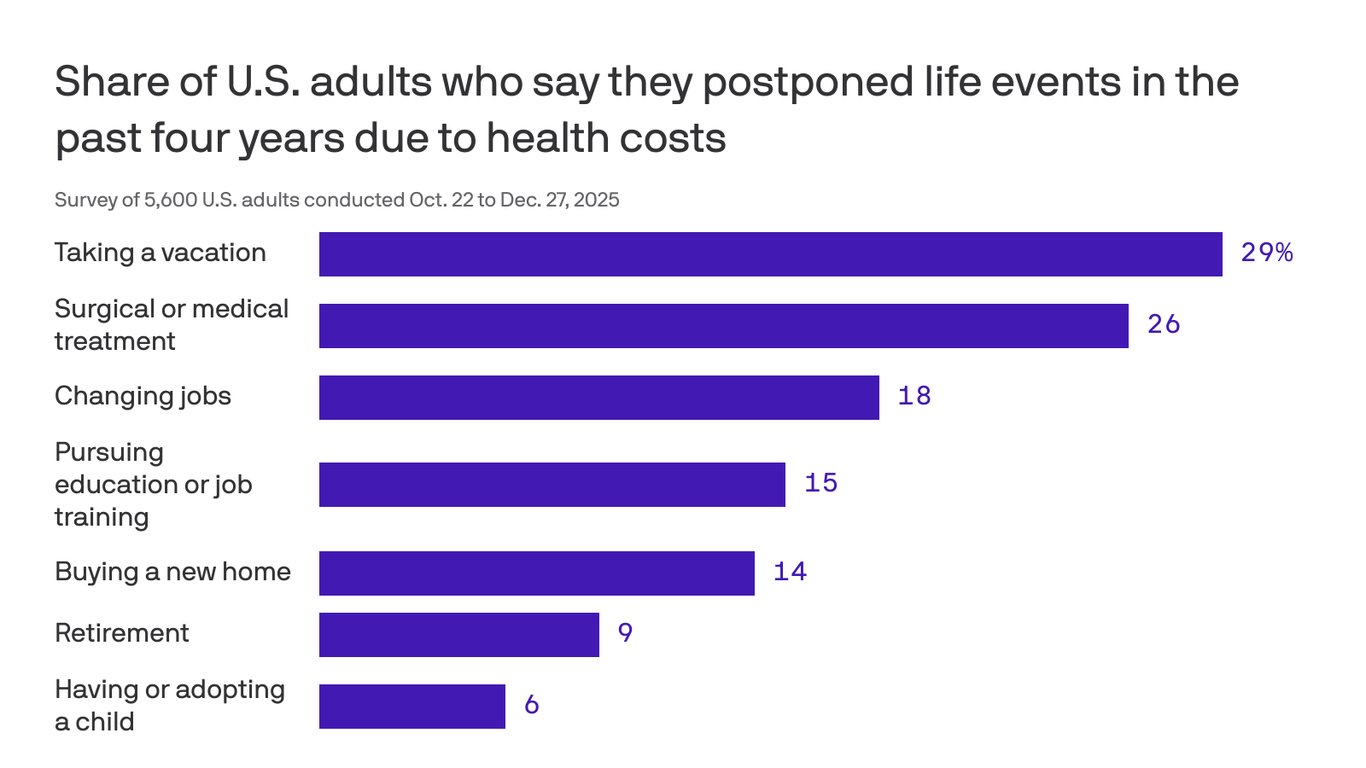
The Financial Toll of Healthcare Costs
According to a recent Gallup poll, nearly 40% of Americans report struggling to afford healthcare in the past year. The financial burden extends far beyond monthly premiums, forcing families to make difficult trade-offs that impact their long-term financial security.
Common Sacrifices Include:
- Draining emergency savings accounts
- Taking on credit card debt
- Postponing retirement contributions
- Delaying home purchases or renovations
- Cutting back on groceries and other essentials
- Working extra hours or taking on second jobs
The Debt Crisis
Medical debt has become one of the leading causes of bankruptcy in the United States. The survey found that over 40% of Americans have accrued medical debt, with the average amount exceeding $2,000. For many, this debt creates a cascading effect, leading to additional financial stress and limiting future opportunities.
Impact on Quality of Life
Beyond the financial implications, high healthcare costs are affecting Americans' quality of life. Many respondents reported:
- Skipping preventive care due to cost
- Rationing prescription medications
- Avoiding necessary treatments or procedures
- Experiencing stress and anxiety about medical bills
- Strained relationships due to financial pressure
Who's Most Affected?
The burden falls disproportionately on:
- Low-income households
- Families with chronic conditions
- Older Americans on fixed incomes
- Those without employer-sponsored insurance
- Self-employed individuals and small business owners
The Retirement Dilemma
Perhaps most concerning is the impact on retirement planning. Many Americans report they may need to work several extra years to afford healthcare in retirement, with some estimating they'll need over $300,000 just for medical expenses during retirement.
Looking Ahead
As healthcare costs continue to rise faster than wages, experts warn that without significant policy changes or market reforms, more Americans will face impossible choices between their health and their financial future.
The survey underscores a fundamental challenge in the U.S. healthcare system: when medical care becomes a financial crisis, it's not just individual families that suffer—the entire economy feels the impact through reduced consumer spending, delayed investments, and lost productivity.
Comments
Please log in or register to join the discussion