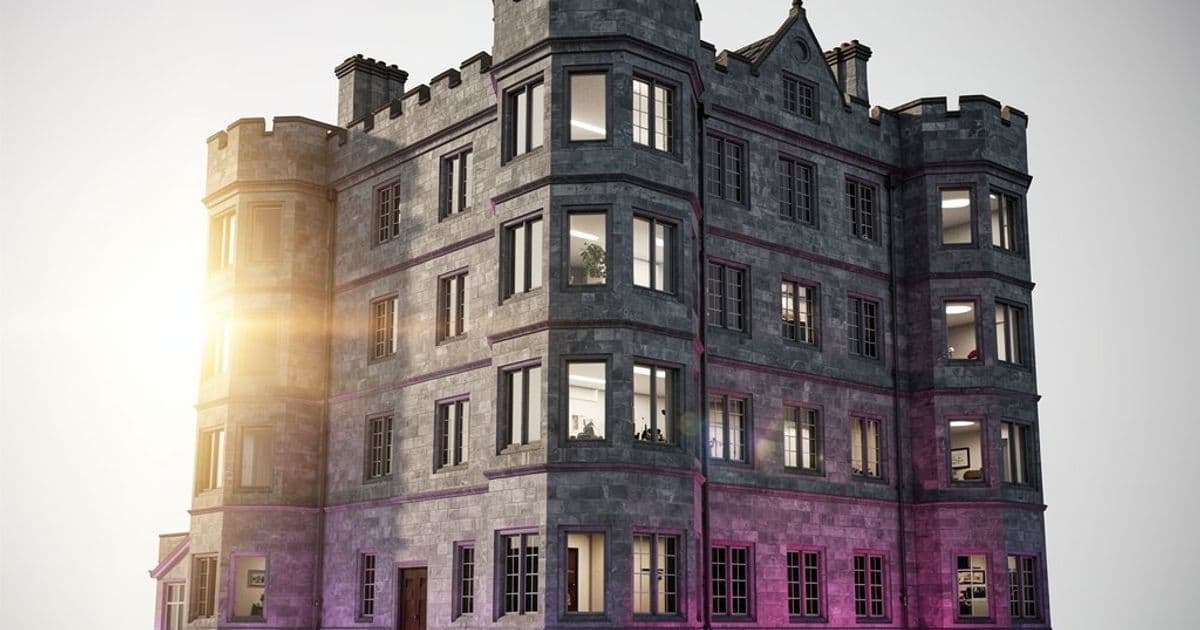
Hardwick Hall's 16th-century architectural adaptations to the Little Ice Age—including solar orientation, thermal mass, and strategic window placement—offer timeless lessons for energy-efficient heating in modern buildings.
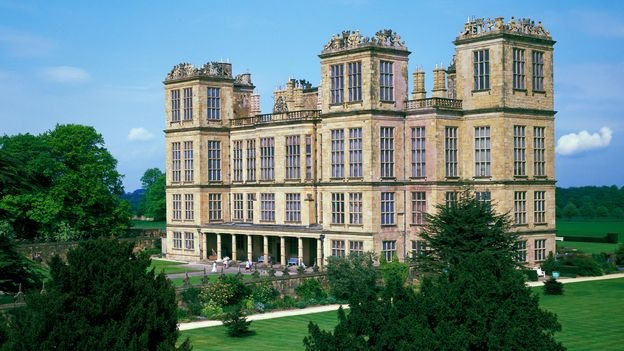
During the Little Ice Age (14th-19th centuries), when temperatures plummeted and the Thames regularly froze, Elizabethans developed ingenious architectural solutions to stay warm. Hardwick Hall in Derbyshire, England—built in the 1590s—exemplifies these adaptations, combining aesthetic grandeur with thermal efficiency.
The 'Window Wall' Mansion
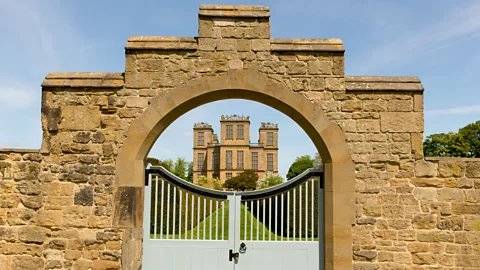
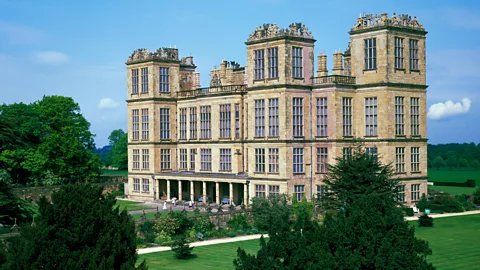
Commissioned by Bess of Hardwick, the hall was famously described as "more window than wall." This glazed design wasn't merely ostentatious; it served a thermal purpose. The building's north-south orientation maximized sunlight exposure, with living spaces strategically positioned along the sun's path. East-facing galleries captured morning light, while bedrooms benefited from afternoon sun.
Architectural Warmth Strategies
Key design elements enhanced heat retention:
- Solar alignment: A 90-degree rotation from traditional layouts soaked up maximum sunlight
- Thermal mass: Walls up to 1.37m thick stored heat from fireplaces, radiating warmth hours later
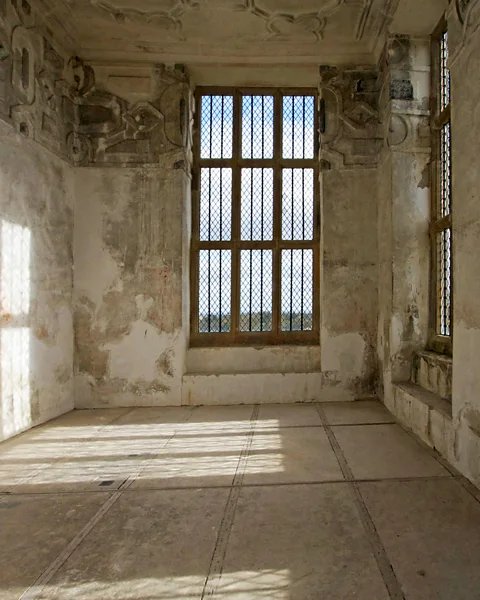
- Strategic glazing: North-facing "blind" windows (blocked internally) minimized heat loss while maintaining symmetry
- Centralized fireplaces: Positioned away from exterior walls to reduce heat escape
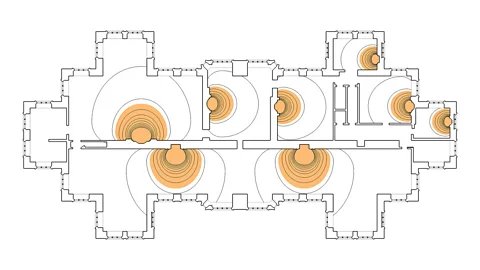
These techniques created interiors up to 10°C warmer than outside in winter—far exceeding the 2-3°C improvement of typical Elizabethan homes. Supplementary methods included tapestries for insulation and bed curtains for draft protection.
Modern Relevance
With rising heating costs and climate challenges, Hardwick's principles remain applicable:
- New construction: South-facing terraces (like London's Alexandra Road estate) use thermal mass
- Retrofitting: Compass-aligning workspaces and planting shade trees optimize existing homes
- Critique of modern design: Glass skyscrapers often disregard environmental synergy, relying on energy-intensive HVAC
As environmental historian Dagomar Degroot notes: "The past is an underused tool." Hardwick Hall demonstrates how architecture working with natural forces—not against them—creates enduring comfort solutions.
Comments
Please log in or register to join the discussion