
Common tablet charging habits are secretly degrading battery health and shortening device longevity. Discover why overnight charging, deep discharges, and uncertified chargers accelerate chemical aging in lithium-ion batteries – and how developers and tech professionals can optimize their device maintenance.
The Hidden Chemistry: Why Your Tablet Charging Habits Are Killing Its Battery
For tech professionals who rely on tablets for development, testing, or daily workflows, battery degradation isn't just an inconvenience—it's a hardware failure point with real productivity costs. New insights reveal that widespread charging practices are silently damaging the lithium-ion batteries powering our devices, fundamentally altering their electrochemical structure long before visible performance drops appear.
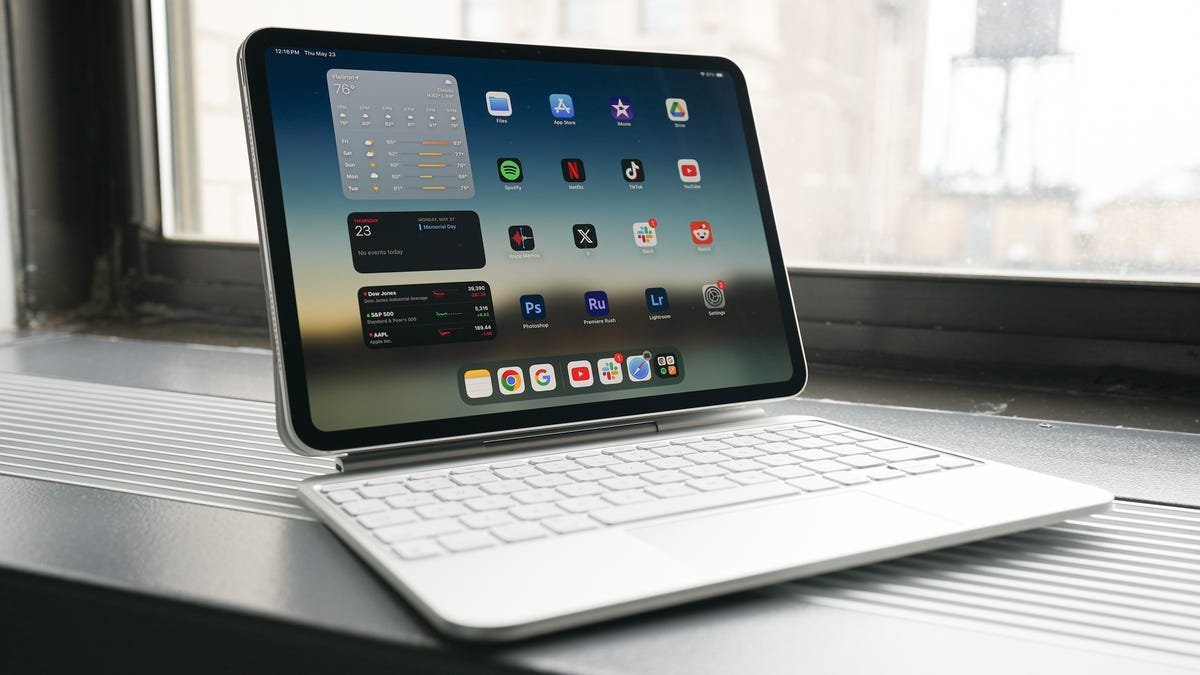
1. The Overnight Charging Trap: Stress at 100%
Plugging in your tablet overnight seems convenient, but it initiates a damaging cycle. Modern devices do stop active charging at 100%, but they engage in trickle charging—topping up minor discharges to maintain peak capacity. This constant state of high voltage stresses the battery's anode, accelerating lithium plating and electrolyte oxidation.
"Keeping lithium-ion batteries charged at 100% for long periods can stress them and accelerate wear, especially if the device becomes warm," explains the ZDNET analysis. This is why manufacturers like Apple and Samsung implement optimized charging algorithms that delay full charges until just before wake-up times.
Developer Takeaway: Unplug at 80-90% charge. If overnight charging is unavoidable, enable "Optimized Battery Charging" in settings to minimize high-voltage exposure.
2. The Zero Percent Grave: Deep Discharge Damage
Allowing your tablet battery to fully deplete—especially leaving it discharged for extended periods—triggers catastrophic chemical aging. Lithium-ion cells enter a deep discharge state below ~2.5V per cell, causing copper shunts to dissolve and creating internal shorts.
As reported by ZDNET's Maria Diaz: "Lithium-ion batteries are simply not meant to stay empty... If you leave your tablet with a drained battery for days, weeks, or months, the battery keeps slowly discharging until the voltage drops too low, damaging the battery's internal chemistry."*
Engineering Impact: This isn't just capacity loss—it's irreversible cell damage requiring physical battery replacement. For DevOps teams managing device fleets, this translates to avoidable hardware attrition.
3. The Cheap Charger Hazard: Voltage Inconsistency
Using non-certified chargers introduces erratic voltage/current flows that destabilize battery chemistry. USB-PD (Power Delivery) standards exist for a reason: they negotiate safe charging profiles between device and charger. Knock-off chargers often bypass these protocols, leading to:
- Thermal runaway from overvoltage
- Crystal formation on the anode
- Accelerated solid electrolyte interface (SEI) layer growth
ZDNET's testing confirms certified chargers include voltage regulators and temperature sensors absent in bargain alternatives. The result? Poor chargers can degrade battery health 20-30% faster within 500 cycles.
The Electrochemical Reality: Why Prevention Matters
All lithium-ion batteries experience chemical aging—gradual loss of lithium ions available for charge cycles. But poor charging habits exponentially accelerate this:
| Stress Factor | Chemical Consequence | Capacity Loss Acceleration |
|---|---|---|
| Trickle Charging | Electrolyte oxidation | 2-3x faster |
| Deep Discharge | Copper shunting | Permanent damage |
| Inconsistent Voltage | SEI layer thickening | Up to 4x faster |
For developers building battery-dependent applications or managing device fleets, understanding these principles is critical. Implementing disciplined charging protocols extends hardware viability and reduces e-waste—a silent win for sustainability.
Final Charge: Treat your tablet's battery like the electrochemical engine it is. Keep it between 20-80%, use certified USB-PD chargers, and never store it empty. Your device's longevity—and productivity—depends on respecting the chemistry.
Source: ZDNET analysis by Maria Diaz, October 2025
Comments
Please log in or register to join the discussion