
While Trump's immigration policies have created widespread disruption, certain industries and businesses are benefiting from labor shortages and shifting workforce dynamics.
The Trump administration's aggressive immigration enforcement has sent shockwaves through multiple sectors of the American economy, but amidst the chaos, some unexpected beneficiaries are emerging.
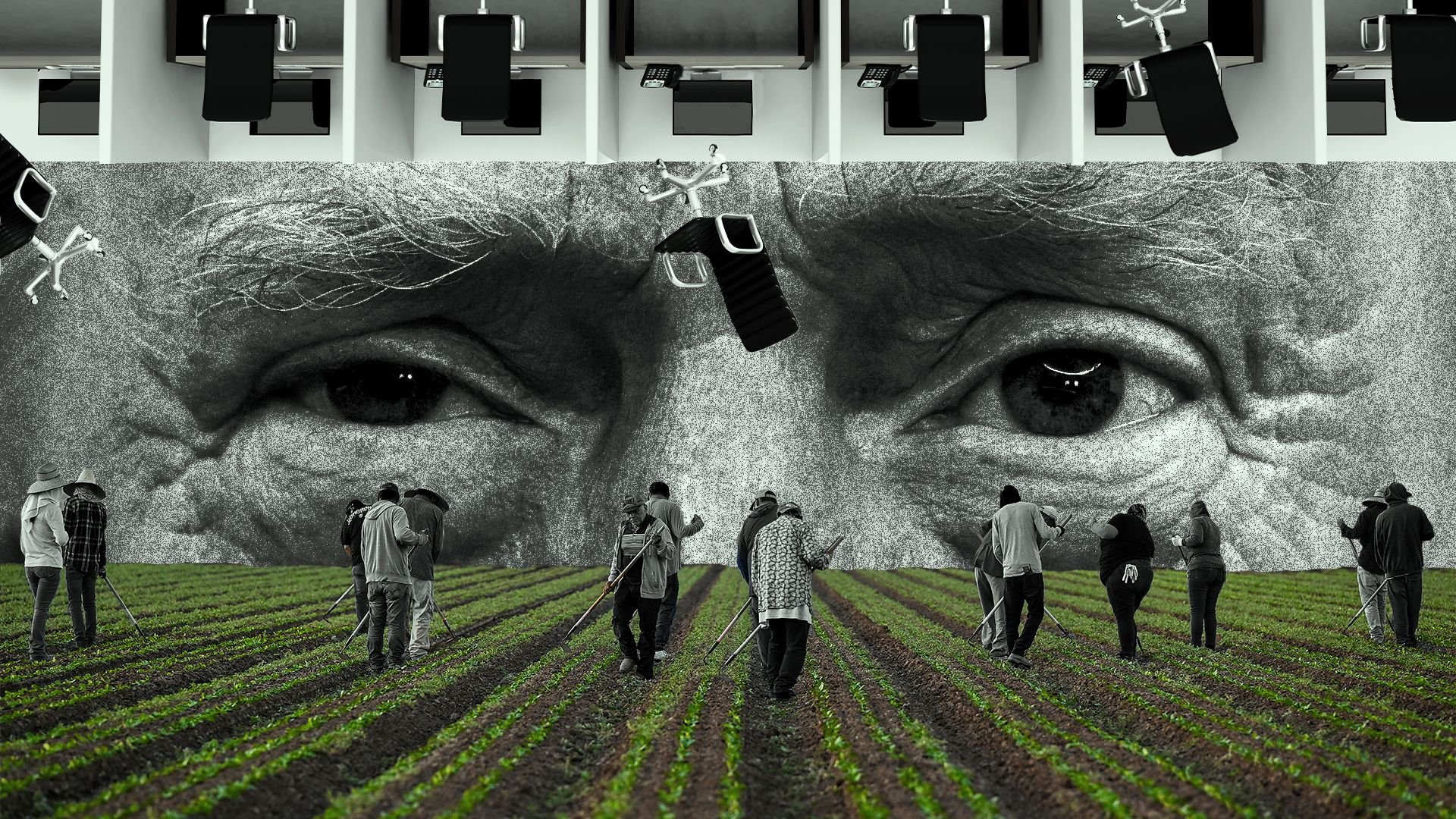
The agricultural sector's paradox
Farmers across the country are facing severe labor shortages as undocumented workers flee or go into hiding. While this has created significant challenges for crop harvesting and food production, it has simultaneously driven up wages for remaining agricultural workers.
According to the Department of Agriculture, farm wages have increased by approximately 5% in the past year, with some regions seeing double-digit percentage increases. This wage pressure is particularly pronounced in states like California, where agricultural production relies heavily on immigrant labor.
Technology companies filling the gap
Automation and robotics companies are experiencing unprecedented demand as businesses seek alternatives to human labor. Companies like John Deere and smaller agtech startups are reporting record sales of automated harvesting equipment and AI-powered farming solutions.
The robotics industry as a whole has seen a 15% increase in investment since the beginning of the year, with much of that capital flowing into companies developing solutions for labor-intensive industries.
The gig economy's expansion
As traditional employers struggle to fill positions, the gig economy has stepped in to fill the void. Platforms like Uber, DoorDash, and Instacart are seeing increased demand for their services, particularly in sectors where immigrant labor was previously dominant.
Data from the Bureau of Labor Statistics shows that gig economy participation has increased by 8% since the implementation of stricter immigration enforcement, with many workers turning to flexible employment options as traditional jobs become harder to secure.
Border security technology firms
Companies specializing in border surveillance technology, drone monitoring, and biometric identification systems are experiencing significant growth. Elbit Systems, a major defense contractor, reported a 22% increase in border security contracts in the first quarter of this year.
These firms are not only benefiting from government contracts but are also seeing increased demand from private businesses seeking to verify worker documentation and comply with enhanced enforcement measures.
The economic ripple effects
The broader economic impact is complex. While certain industries benefit from increased demand for their services, the overall effect on the economy is likely negative. The Congressional Budget Office estimates that the current immigration policies could reduce GDP growth by 0.5% annually over the next decade.
Small businesses, particularly in the service and hospitality sectors, are reporting the most significant challenges. Restaurants, hotels, and construction companies are struggling to maintain operations with reduced labor pools, leading to increased prices and reduced service quality for consumers.
Looking ahead
The long-term winners in this scenario may be companies that can successfully adapt to a tighter labor market through automation and efficiency improvements. Industries that rely heavily on low-wage immigrant labor will likely continue to face significant challenges, while those positioned to benefit from labor shortages and increased enforcement spending may see continued growth.
The economic disruption caused by these policies is creating both winners and losers, with the ultimate impact likely to be determined by how quickly businesses can adapt to the new reality of restricted labor mobility in the United States.
Comments
Please log in or register to join the discussion