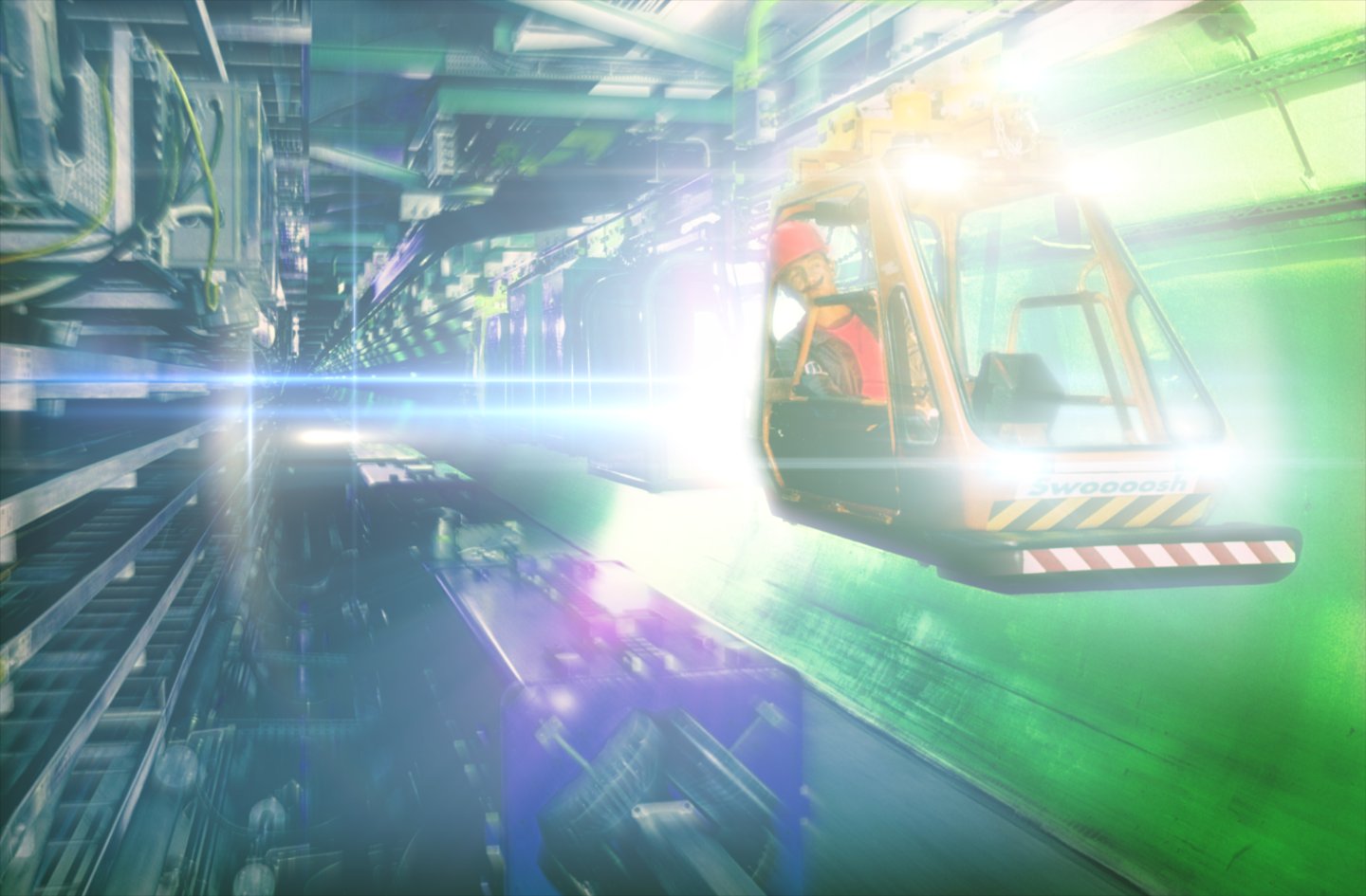
CERN engineers unveil superconducting karts for the Large Hadron Collider tunnel, promising faster travel during major upgrades.
CERN is taking transportation in its underground facilities to the next level with the introduction of superconducting karts designed to replace bicycles for traversing the 27-kilometer Large Hadron Collider tunnel. The innovative vehicles, developed ahead of the major works beginning this summer, promise to significantly enhance efficiency during the upcoming Long Shutdown 3 (LS3) period.
{{IMAGE:1}}
Turbocharged Innovation
The karts represent a remarkable engineering achievement, featuring 64 superconducting engines that provide unprecedented speed and efficiency. When cooled below their critical temperatures, these engines leverage the Meissner effect to levitate the karts, allowing them to zip through the tunnels at high speeds. Project leader Mario Idraulico describes the performance as "super!" with early tests already showing noticeable speed boosts.
Safety First
Safety coordinator Luigi Fratello has implemented comprehensive safety measures, including the distribution of Safety and Health Equipment for Long and Limited Stays (SHELLS) to all drivers. While the karts promise exciting new capabilities, CERN remains committed to maintaining the highest safety standards in its operations.
Unexpected Origins
In a delightful twist, the kart project emerged from a collaboration between CERN engineers and onsite nursery school children. The children's creative designs served as inspiration for the final engineered vehicles, demonstrating CERN's commitment to engaging future generations in scientific innovation. School director Rosalina Pfirsich noted that the children have been affectionately dubbed "Luma" in recognition of their contributions to the High-Luminosity LHC project.
Beyond Particle Physics
The applications of this technology extend far beyond CERN's immediate needs. The organization's Knowledge Transfer Group has initiated discussions with European startup Quantum Mushroom to explore potential aerospace applications, particularly for next-generation anti-gravity vehicles. This exemplifies how fundamental research at CERN often leads to unexpected technological breakthroughs with broader societal impact.
Infrastructure Integration
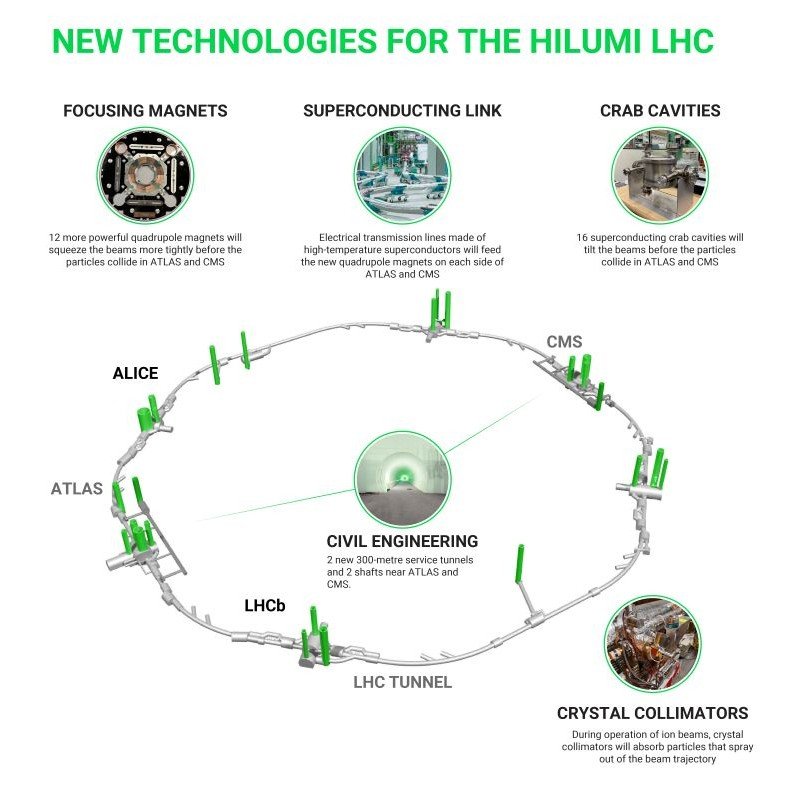
During the major works period, the karts will work in conjunction with giant green pipes that will transport equipment and personnel to underground areas. This integrated approach to infrastructure and transportation demonstrates CERN's holistic planning for the complex upgrades required to transform the LHC into the High-Luminosity LHC.
Looking Ahead
The introduction of superconducting karts marks another milestone in CERN's ongoing efforts to enhance its research capabilities. As the organization prepares for the transformative LS3 period, these vehicles will play a crucial role in enabling engineers and technicians to efficiently reach areas requiring improvements to the accelerator.
For more information about the High-Luminosity LHC project and its various components, visit the HiLumi LHC project page.
The development of these superconducting karts showcases how CERN continues to push the boundaries of engineering and technology, not just in particle physics but in practical applications that could benefit society at large. From the imaginative minds of nursery school children to the sophisticated engineering labs of CERN, this project represents the kind of innovative thinking that has made the organization a global leader in scientific research and technological advancement.
Comments
Please log in or register to join the discussion