Young Chinese travelers are increasingly bypassing urban hotspots for heritage towns offering hands-on cultural experiences—a shift fueled by digital exposure and a quest for tangible authenticity in a virtual world.
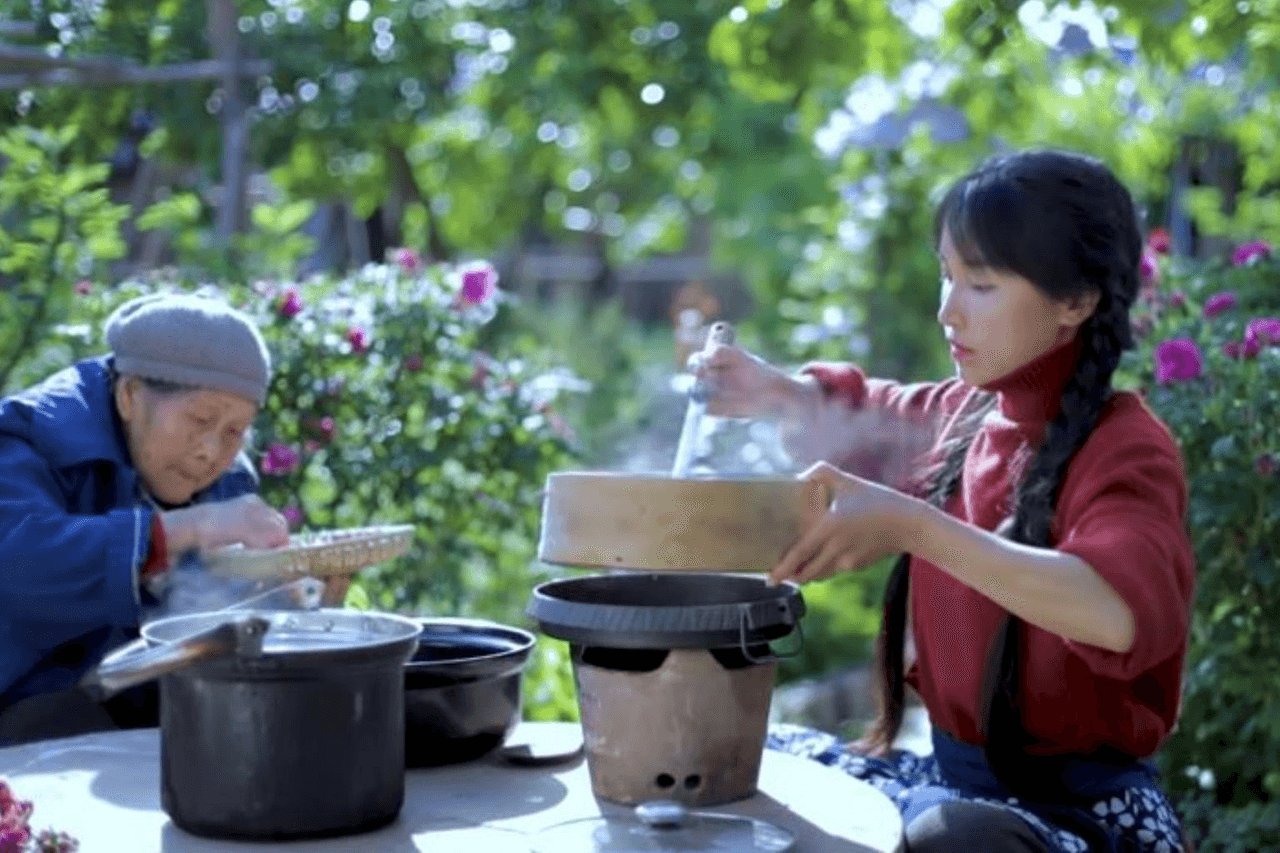
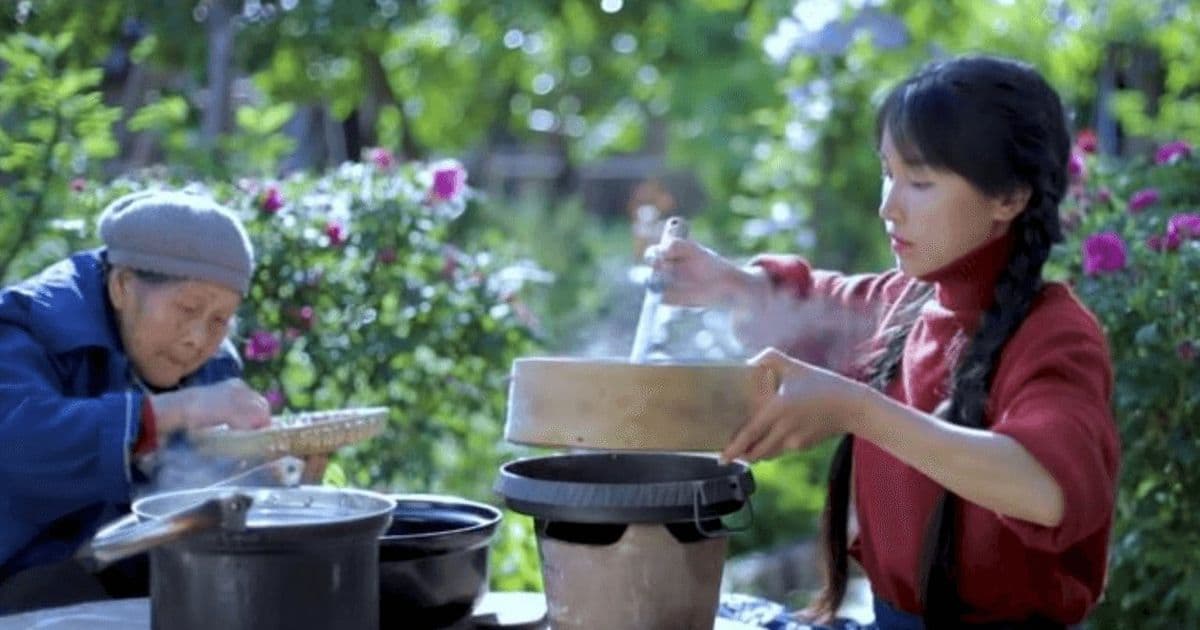
For years, China's youth crowded into megacities like Shanghai and Beijing during holidays, ticking off landmarks and influencer-designed itineraries. Recently, however, travel data reveals a stark pivot: young travelers are now spending precious vacation days in small towns specializing in intangible cultural heritage (ICH) crafts—places like Jingdezhen for ceramics, Quanzhou for handmade hairpins, or Huizhou for lantern festivals. This isn't niche tourism; platforms report bookings for ICH experiences surged 40% year-over-year during last year's Spring Festival, with searches for "ICH handicrafts" multiplying. The trend gained visibility partly through Li Ziqi's viral videos—which showcased traditional Chinese life to 29 million YouTube subscribers—but its roots run deeper into modern urban malaise.
The Allure of Tangible Creation
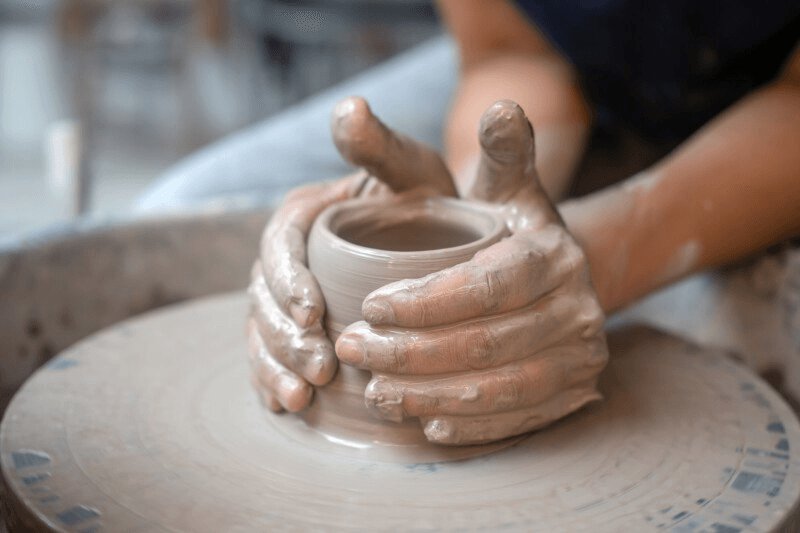
At its core, this shift responds to what sociologists term "urban weightlessness"—the disconnect young professionals feel when their work produces abstract outputs (spreadsheets, metrics) rather than physical objects. ICH workshops counter this by offering visceral, hands-on creation. In Jingdezhen, visitors don't just observe pottery; they wrestle clay on a wheel, trim leather-hard forms, and glaze pieces before witnessing kiln firings. One participant described the struggle: "The clay resists until you learn its rhythm. When you finally shape it, the satisfaction is primal." The process delivers concrete feedback absent in digital work: imperfect brushstrokes become unique features, kiln cracks teach acceptance, and a finished bowl embodies tangible accomplishment. Surveys indicate over 86% of young urbanites recognize this growing preference among peers, valuing the "unscripted realness" of these experiences.
Accessibility Over Expertise
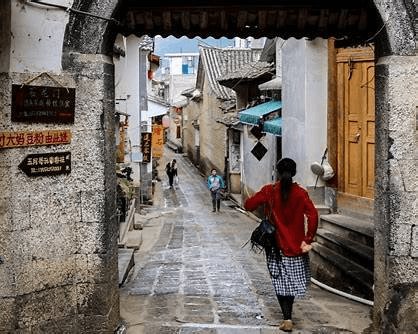
Unlike museum visits requiring cultural literacy, ICH towns operate on low-threshold participation. Visitors join activities in village squares or workshop courtyards without prior knowledge. In Xunpu Village (Quanzhou), travelers weave flower hairpins alongside locals; in Anhui's Zhanqi, they assemble fish lanterns for night parades. This democratization transforms culture from distant artifact to lived practice. Industry analyses note youth travel priorities shifting from "where to go" to "what to do," with keywords like "guochao" (national trend) and "slow immersion" rising. Crucially, these settings grant permission to decelerate—a rarity in cities where slowness implies inefficiency. As one Jingdezhen visitor noted: "Here, spending hours centering clay isn't wasted time. It's the point."
Digital Catalysts and Systemic Support
The trend's velocity owes much to digital platforms. Quanzhou's hairpin tradition exploded after celebrities wore them on Douyin (TikTok), amassing billions of views. Livestreams of Anhui's fish lantern festivals drew millions overnight, turning local rituals into viral phenomena. Meanwhile, artisans increasingly monetize via live commerce—Jingdezhen's Taoxichuan district generated 5.073 billion yuan ($700M) through livestream sales in 2024 alone. Policy tailwinds matter too: China's 2025 "ICH-themed" Spring Festival encouraged localities to reactivate customs like temple fairs and lantern shows, rebranding heritage as experiential rather than archival. Researchers observe ICH evolving from "protected artifact" to "participatory theater," where visitors co-create the narrative.
Global Resonance
International travelers now join this movement, using ICH towns as entry points to Chinese culture. In Suzhou, foreigners reel silk and assemble fans; in Fenghuang, they dye indigo cloth; in Jingdezhen, they battle clay alongside locals. A Belgian travel vlogger remarked: "Seeing porcelain emerge from mud under your hands—no translation needed." These sensory experiences bypass language barriers, conveying values like patience and presence. For overseas visitors, it counters stereotypes of China as solely futuristic—revealing a culture where manual craft and seasonal rhythms persist.
Challenges and Realities
Despite the enthusiasm, limitations exist. Mass tourism risks commodifying traditions—some worry workshops prioritize Instagrammable moments over authentic technique. Infrastructure in remote towns also strains under visitor influxes; Zhanqi's lantern festival now requires crowd control. Moreover, the "slow living" marketed often excludes locals facing economic pressures to accelerate production. Yet the trend's persistence suggests it answers a deeper need: as digital saturation grows, the hunger for tactile, unrepeatable experiences—where time invested equals meaning gained—only intensifies. Heritage towns, once fading, now thrive by transforming ancient skills into a universal language of making.
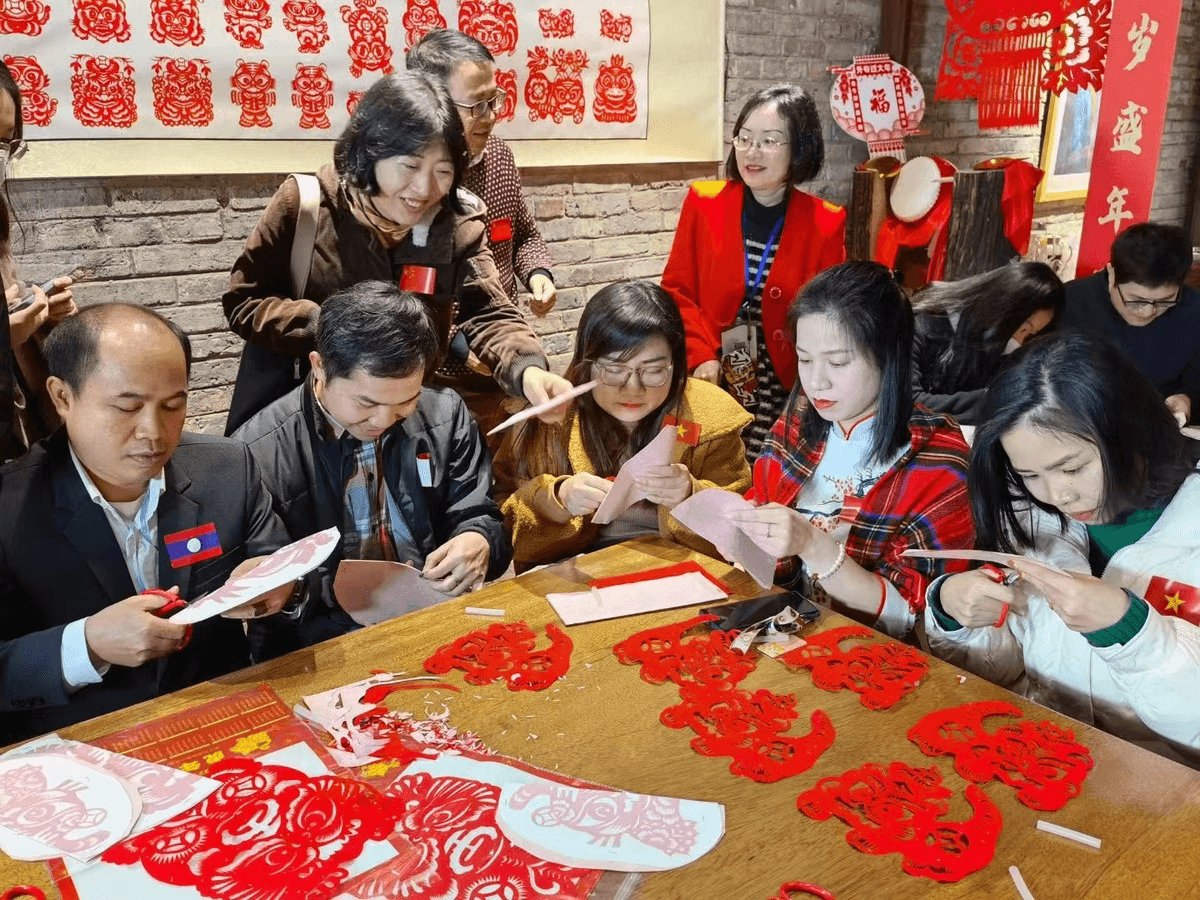
Li Ziqi's videos idealized solitary craftsmanship, but today's ICH boom is communal. It thrives not in curated isolation, but in bustling workshops where travelers knead, stitch, and glaze alongside masters. As one Jingdezhen potter summarized: "People come here not to escape life, but to rediscover their hands."
Comments
Please log in or register to join the discussion