
A developer's innocent attempt to control his DJI Romo vacuum cleaner with a PlayStation controller accidentally revealed a security flaw granting access to thousands of internet-connected devices.

When software engineer Sammy Azdoufal purchased a DJI Romo robot vacuum, he envisioned a simple project: controlling his new cleaning assistant with a PlayStation controller. Instead, his tinkering revealed a critical security flaw that exposed thousands of internet-connected devices worldwide. This incident highlights growing concerns about smart home privacy as robots become increasingly sophisticated household fixtures.
The Accidental Discovery
Using an AI coding assistant, Azdoufal reverse-engineered communication protocols between the Romo vacuum and DJI's cloud servers. While developing his custom controller app, he discovered the credentials granting access to his own device simultaneously unlocked live camera feeds, microphone audio, detailed home maps, and operational status from approximately 7,000 DJI vacuums across 24 countries.
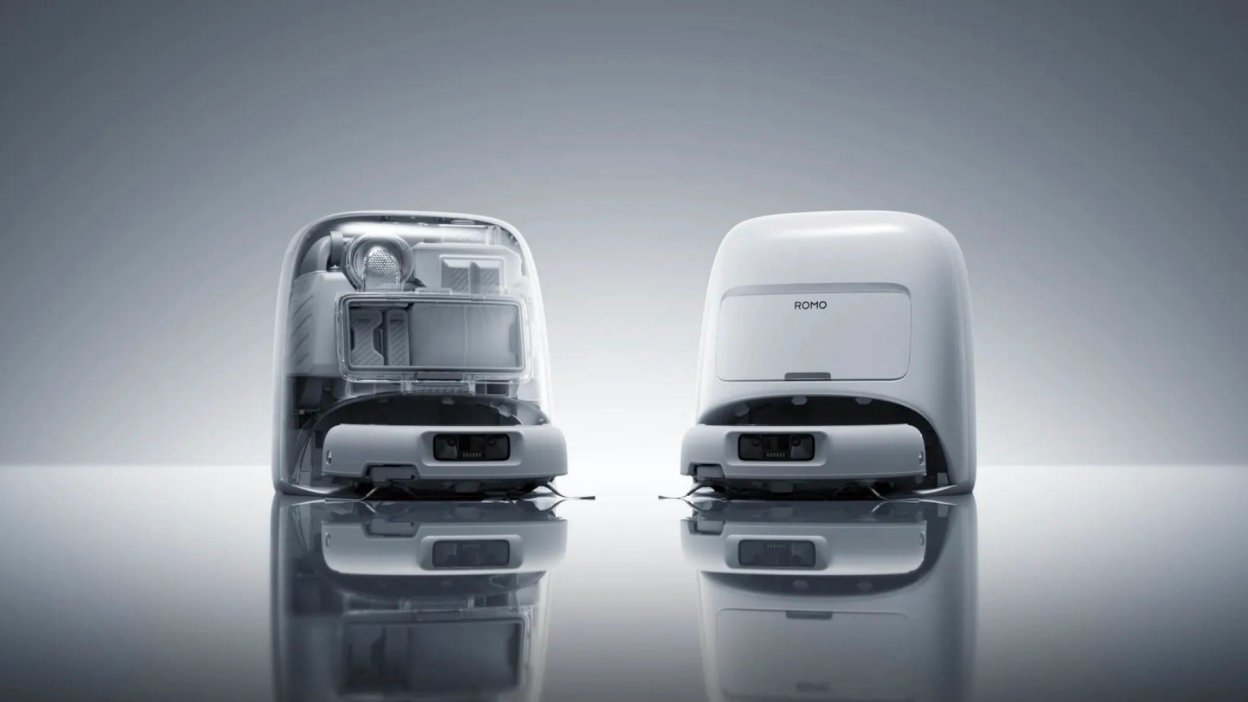 The DJI Romo robot vacuum, retailing for around $2,000, combines cleaning functions with sophisticated mapping capabilities
The vulnerability transformed these domestic helpers into potential surveillance tools. Azdoufal could view real-time camera footage, activate microphones remotely, access detailed 2D floor plans of strangers' homes, and determine approximate locations through IP addresses—all without the owners' knowledge.
DJI's Response and Broader Implications
Upon discovering the flaw in late January 2024, DJI deployed security patches on February 8 and 10. "The issue was addressed through two updates," a DJI representative confirmed. "The fix was deployed automatically, and no user action is required." The company plans additional security enhancements but hasn't specified details.
This incident occurs amid escalating concerns about smart home privacy:
- Proliferation of Sensors: Modern vacuums require constant environmental data collection to navigate, creating rich datasets about home layouts and routines
- Escalating Device Adoption: Parks Associates estimates 54 million U.S. households now have at least one smart device, with adoption rates climbing
- Advanced Robotics: Companies like Tesla, Figure, and 1X are developing humanoid robots requiring even deeper home access
- AI Amplification: As AI coding tools lower technical barriers, they potentially enable more individuals to discover (and exploit) vulnerabilities
The Privacy Paradox
While manufacturers emphasize convenience, security researchers note inherent tensions:
Convenience Arguments
- Automated cleaning saves significant household time
- Mapping enables efficient navigation around obstacles
- Remote access allows control from anywhere
Privacy Counterpoints
- Devices operate in intimate spaces (bedrooms, bathrooms)
- Continuous data collection creates permanent digital footprints
- Security vulnerabilities may persist despite manufacturer claims
Lawmakers have long expressed concern about Chinese-made devices specifically, though evidence of state-sponsored exploits remains circumstantial. Meanwhile, incidents like Ring's controversial "pet-finder" feature and Google's Nest footage retrieval in criminal investigations demonstrate ongoing privacy debates across the industry.
The Future of Home Robotics
As companies develop more capable home robots—like 1X's walnut-cracking humanoid—the data access required increases exponentially. While Azdoufal's intentions were benign (his PlayStation controller integration succeeded), his discovery underscores how seemingly minor oversights can cascade into systemic vulnerabilities.
Security experts recommend:
- Segmenting IoT devices on separate network partitions
- Regularly auditing device permissions
- Disabling cameras/microphones when unnecessary
- Pressuring manufacturers for transparent security practices
For his part, Azdoufal achieved his original goal—controlling his Romo with a game controller. But his accidental journey into thousands of living rooms serves as a stark reminder that our smart helpers might be observing more than just dust bunnies.

Comments
Please log in or register to join the discussion