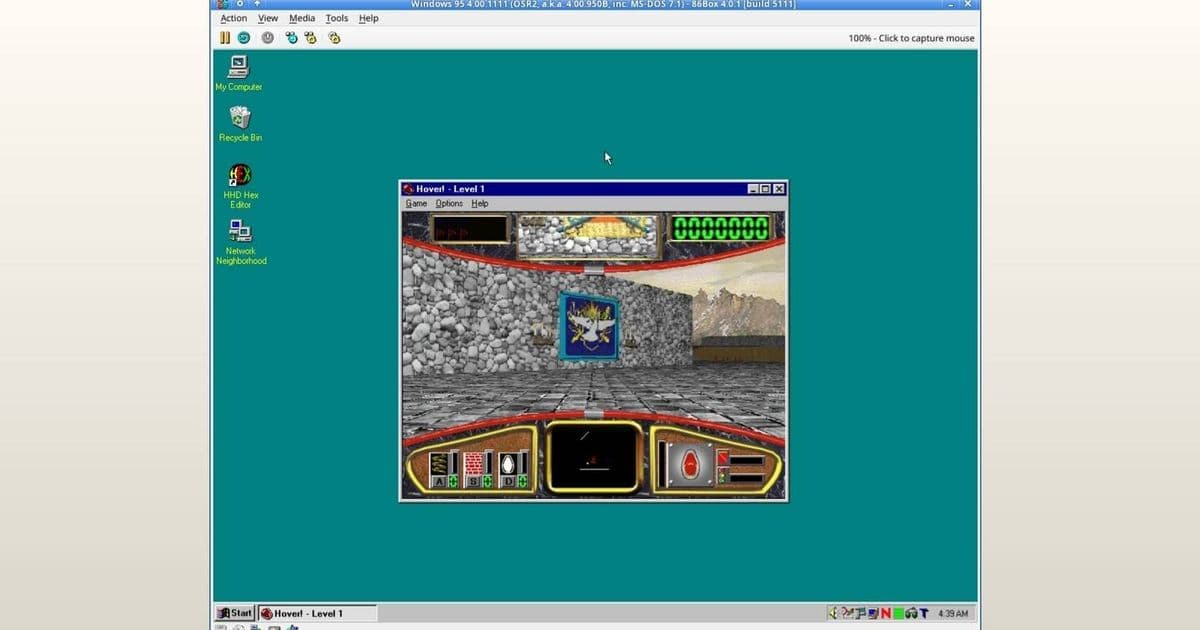
An interactive virtual museum housing over 570 operating systems from 1948 to present, allowing developers and tech enthusiasts to experience the evolution of computing firsthand through emulated environments.
The Virtual OS Museum represents an extraordinary preservation effort in the rapidly evolving world of technology. Curated by Andrew Warkentin, this interactive collection brings together over 1,700 installations spanning more than 250 platforms and 570 distinct operating systems, creating a comprehensive timeline of computing history from 1948 to the present day.
What Makes This Museum Unique
Unlike traditional museums that display static exhibits, the Virtual OS Museum offers a hands-on experience. Rather than just viewing screenshots or descriptions of historical operating systems, visitors can actually boot and interact with these systems through emulation. This approach transforms passive observation into active exploration, allowing developers to experience the constraints and innovations of different eras firsthand.
The collection encompasses an impressive breadth of computing history, from early mainframe systems and CTSS to classic desktop environments like Windows 3.1, Windows 95, and Mac OS X. It also includes more specialized systems like PalmOS, Newton OS, and even early versions of mobile operating systems such as Android and iOS.
Technical Implementation
The museum leverages emulation technology to make these historical systems functional on modern hardware. This approach presents both opportunities and challenges. The full archive requires approximately 174GB of storage space when uncompressed (121GB when zipped), which reflects the sheer volume of preserved software.
For users with limited storage, the museum offers a lightweight 14GB edition that fetches operating system images on demand. This approach makes the collection more accessible while still maintaining the core functionality. The emulation framework must balance authenticity with performance, ensuring that these legacy systems run adequately on contemporary hardware without compromising their historical character.
Notable Operating Systems
The museum's collection includes numerous historically significant systems that shaped computing as we know it today. Among these are:
- Commodore BASIC V2: The foundational programming environment that introduced many to computing
- Windows 1.0 through 3.1: The early graphical interfaces that brought Microsoft to prominence
- Windows 95: The iconic operating system that revolutionized desktop computing
- Mac OS X 10.1 Puma: The version that solidified Apple's modern Unix-based approach
- Xerox Star Pilot: A pioneering GUI system that influenced Apple and Microsoft
- Early Unix variants: Including CTSS and other foundational systems
- Mobile precursors: PalmOS and Newton OS representing early mobile computing experiments
Significance for Developers
For developers, the Virtual OS Museum offers invaluable context for understanding the evolution of user interfaces, development paradigms, and system design. By experiencing these systems directly, developers can:
- Understand the constraints that led to certain design decisions
- Appreciate the innovations that became industry standards
- Discover alternative approaches to common problems
- Trace the lineage of modern development tools and practices
This historical perspective can inform contemporary development by highlighting patterns of success and failure across different technological eras.
Practical Considerations
Running multiple historical operating systems requires careful consideration of system resources. The museum's creators have optimized the experience for modern hardware while maintaining authenticity. Users should expect:
- Moderate CPU usage during emulation
- Sufficient RAM (8GB minimum recommended for multiple systems)
- Storage space according to chosen installation option
- Patience during system boot times, which may be slower than native performance
The museum's lightweight edition makes it accessible to users with limited storage, while the full archive provides the complete experience for dedicated enthusiasts.
The Value of Preservation
In an industry where software becomes obsolete within years, the Virtual OS Museum serves as a vital archive of computing history. This preservation effort ensures that future generations can understand the technological foundations upon which modern systems were built.
The museum demonstrates how far we've come while reminding us of the innovations that got us here. For developers who have only known modern, high-performance systems, experiencing earlier environments provides context for current design paradigms and development practices.
The Virtual OS Museum stands as a testament to the rapid evolution of computing technology and the importance of preserving our digital heritage. Whether for educational purposes, historical research, or simple nostalgia, this collection offers an unprecedented window into the past of computing.
For those interested in exploring this remarkable collection, more information can be found at The Virtual OS Museum website. The museum represents a significant contribution to digital preservation and offers an invaluable resource for anyone interested in the history of computing technology.
Comments
Please log in or register to join the discussion