
Gulf tech sector undergoes unprecedented transformation with $15B in investments, strategic pivots, and market reshuffling across Saudi Arabia, UAE, and broader region.
The Gulf's technology landscape has experienced a dramatic transformation over the past year, marked by record investments, strategic realignments, and a fundamental shift in how regional governments and businesses approach digital innovation. The combined effects of global economic headwinds, accelerated digital adoption, and geopolitical realignments have created a perfect storm of change in one of the world's most dynamic emerging tech markets.

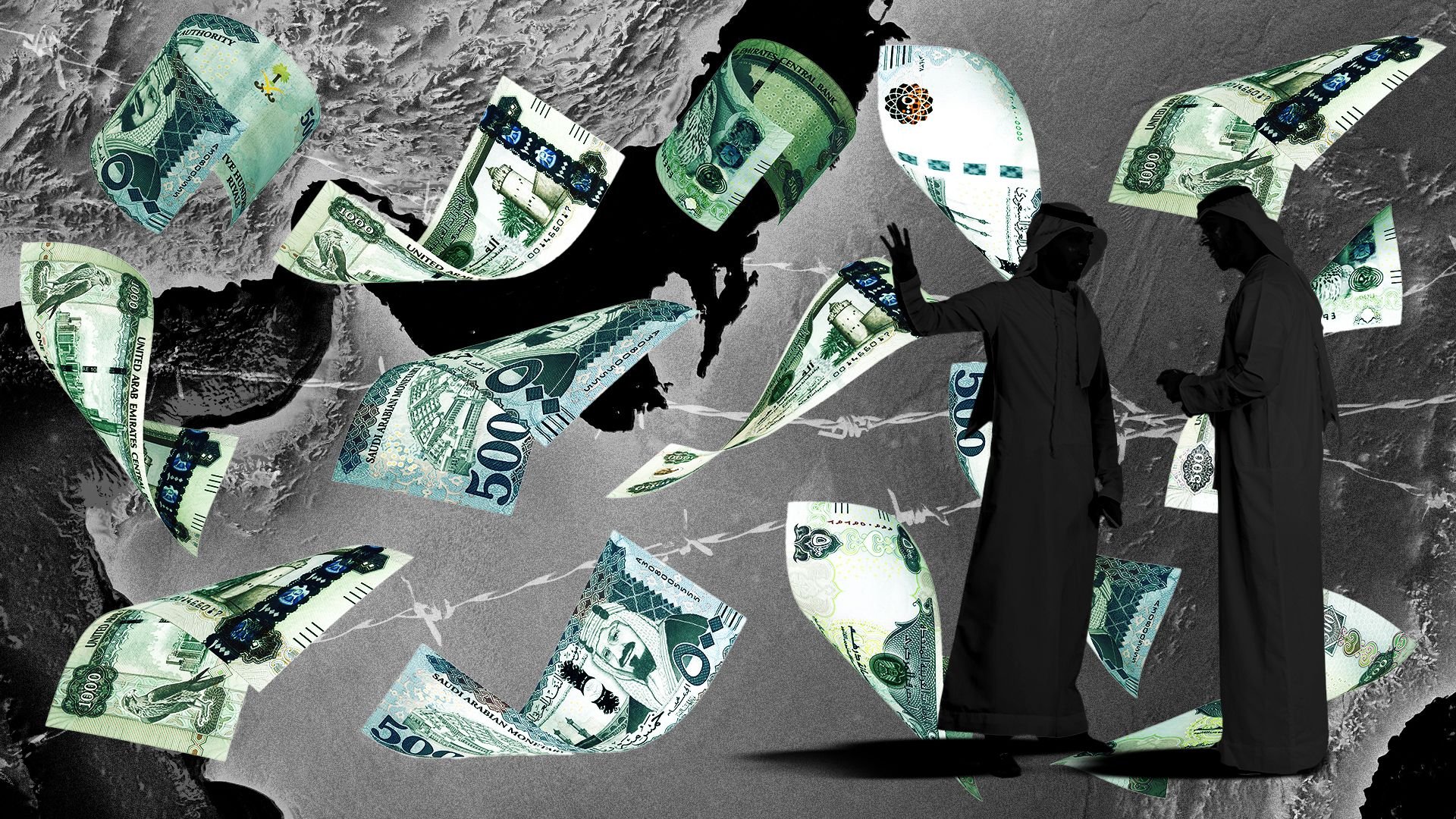
Financial investment into Gulf tech startups reached approximately $15 billion in 2023, a 23% increase from 2022 levels, according to data from MAGNiTT, the regional startup data platform. Saudi Arabia led the investment surge with $8.2 billion, followed by the UAE at $5.1 billion. The Kingdom's Vision 2030 initiative continued to drive significant funding, with tech investments representing approximately 18% of total non-oil economic diversification spending.
"The Gulf region has moved from being a consumer market to a significant tech innovation hub," said Sarah Al-Jawhar, partner at Wamda Capital, a regional venture firm. "What we're seeing isn't just financial investment, but a fundamental shift in how technology is being integrated into economic strategy."
The most significant market shift came in the fintech sector, where Saudi Arabia's $2.1 billion acquisition of UAE-based payment firm Network International by Saudi Payment Company (SPC) created the region's largest payments processor. The deal, valued at approximately $1.4 billion in cash plus $700 million in shares, reshaped the competitive landscape and accelerated integration between the two largest Gulf economies.
Cloud infrastructure investments saw particularly dramatic growth, with regional spending increasing by 41% year-over-year to reach $3.8 billion. UAE-based data center operator and cloud provider DCB Bank raised $800 million in its IPO on the Abu Dhabi Securities Exchange, while Saudi Arabia's Cloud doubled its capacity in Riyadh and Jeddah to meet growing demand from both public and private sector clients.
Strategic implications extend beyond financial metrics. The Gulf's tech sector has become increasingly integrated with global innovation networks, with regional companies now accounting for 12% of all unicorns in emerging markets, up from just 5% in 2021. This integration has accelerated knowledge transfer and positioned the region as a bridge between Western tech ecosystems and Asian and African markets.
"The Gulf's approach to tech development has matured from simply importing solutions to developing indigenous capabilities," noted Dr. Faisal Al-Fadl, economist at the Gulf Research Center. "This represents a significant strategic shift that will have long-term implications for regional economic resilience and global competitiveness."
The artificial intelligence sector experienced particularly explosive growth, with regional AI startups securing $1.3 billion in funding during 2023. Saudi Arabia's $500 million investment in its National AI Strategy and UAE's establishment of the Mohamed bin Zayed University of Artificial Intelligence positioned both nations as regional AI leaders. The UAE's AI Minister, Omar bin Sultan Al Olama, announced that AI adoption is expected to contribute $96 billion to the UAE's GDP by 2030.
Despite the positive momentum, challenges remain. The region's tech sector continues to grapple with talent shortages, particularly in specialized areas like cybersecurity and advanced AI development. Regional governments have responded by increasing education budgets focused on STEM fields, with Saudi Arabia allocating $18.7 billion to education and training as part of its 2024 budget, a 15% increase from 2023.
Market consolidation has accelerated, with 27 mergers and acquisitions valued at $4.2 billion occurring in the Gulf tech sector during 2023. This consolidation trend is expected to continue in 2024 as larger players seek to scale operations and expand market share.
"The Gulf tech ecosystem is entering a phase of maturation," said Leila Al-Tamimi, founder of Dubai-based venture firm MEVP. "We're moving beyond the hype cycle to sustainable business models that create real economic value. This represents a significant evolution in regional tech development."
As the Gulf region continues to diversify its economy away from oil dependence, technology has emerged as a critical pillar of this strategy. The past year has demonstrated that the Gulf is not merely participating in the global tech economy but actively shaping its future trajectory, with implications that extend far beyond regional borders.
Comments
Please log in or register to join the discussion