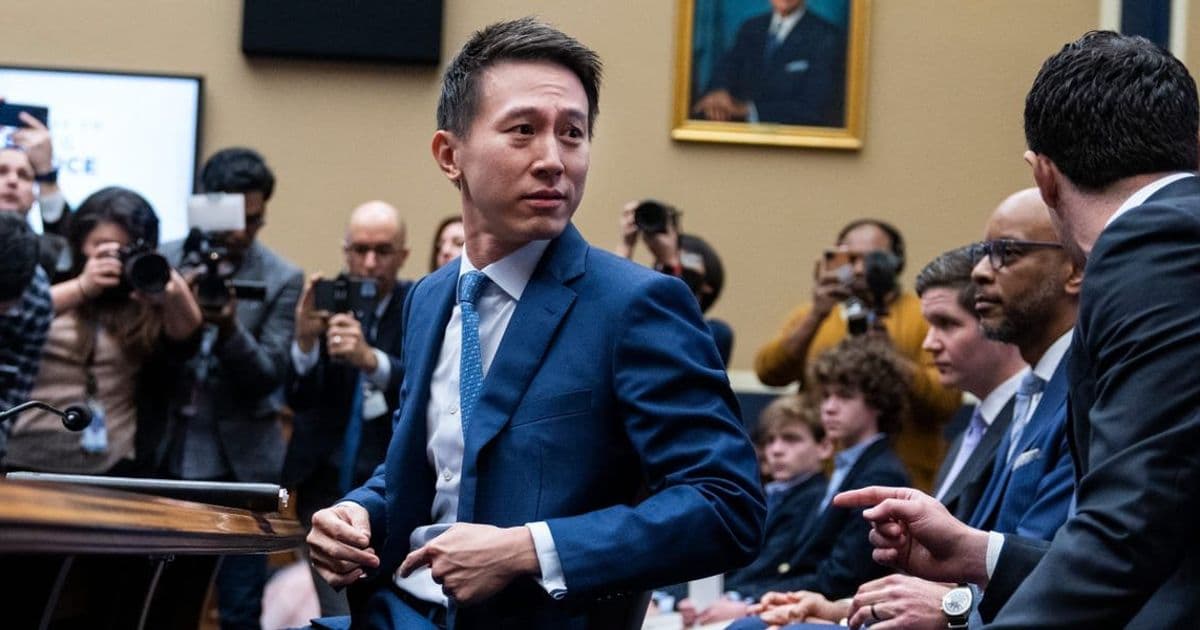
After six years of legal and political battles, TikTok has finalized a deal to create a US joint venture, allowing it to continue operating while addressing national security concerns. The move transforms the app's ownership structure and data governance, with CEO Shou Chew celebrating the 'great news' as the platform reports 200 million US users and 7.5 million US businesses.
The long-running saga over TikTok's future in the United States has reached a definitive conclusion. The company has finalized a deal to establish a US joint venture, a structure that will allow the app to continue operating while attempting to satisfy national security concerns that have shadowed it for years. TikTok CEO Shou Chew reportedly hailed the establishment of the TikTok USDS JV as "great news," framing it as a resolution that preserves the platform's massive footprint in the American market.
The numbers he cited are staggering: 200 million US users and 7.5 million US businesses on the platform. This isn't a niche social network; it's a fundamental piece of digital infrastructure for a significant portion of the American economy and cultural landscape. The deal's structure, a joint venture with non-Chinese investors, represents a compromise that attempts to thread a needle between allowing the app to function and addressing the persistent concerns about data access and potential influence from its Chinese parent company, ByteDance.
This resolution concludes a six-year legal and political saga that has seen the app's fate debated in Congress, scrutinized by multiple administrations, and fought over in courtrooms. The New York Times reports that ByteDance struck the deal with a group of non-Chinese investors to create a new TikTok US entity, effectively creating a firewall between the US operation and its Chinese ownership. This "China shedding" strategy, as some analysts describe it, is not unique to TikTok; other Chinese tech companies have adopted similar approaches to navigate geopolitical tensions.
The deal's implications extend beyond mere corporate restructuring. It sets a precedent for how foreign-owned technology platforms with vast US user bases might be managed under national security scrutiny. The joint venture model suggests that complete divestiture may not always be the only path forward; instead, a managed separation with significant oversight could become a template for similar situations. However, this approach also raises questions about the effectiveness of such structures in truly insulating user data and platform algorithms from foreign influence.
Critics of the deal argue that any ownership structure that still allows ByteDance to retain some influence or access to technology falls short of addressing core security concerns. They point to the complexity of separating data, algorithms, and corporate governance in a way that is both technically feasible and politically acceptable. The very nature of TikTok's algorithmic feed, which is central to its user experience, is developed and maintained by ByteDance teams, making a clean separation challenging.
On the other side, proponents of the deal emphasize the economic and cultural importance of keeping TikTok accessible in the US. For millions of creators and businesses, the platform represents a primary channel for audience engagement and revenue generation. A ban would have disrupted this ecosystem overnight, with significant economic consequences. The joint venture structure, while imperfect, allows these stakeholders to continue operating without interruption.
The deal also coincides with a broader pattern of Chinese tech companies adjusting their global strategies. As noted in reports, companies like Shein and Meituan are seeking non-US growth, while others are adopting more aggressive "China shedding" approaches. This reflects a recognition that operating a Chinese-owned platform with global ambitions faces increasing regulatory headwinds in Western markets.
The TikTok situation has always been more complex than a simple binary choice between allowing the app to operate or banning it outright. It involves intricate questions about data sovereignty, algorithmic transparency, and the role of foreign-owned platforms in domestic information ecosystems. The joint venture solution attempts to address these concerns through structural separation and likely enhanced oversight, but it remains to be seen whether this will satisfy regulators and security experts in the long term.
For users and businesses, the immediate effect is continuity. The app will continue to function, and the massive audience and commercial opportunities it provides remain available. However, the governance structure has fundamentally changed, and with it, the potential for future scrutiny and regulatory intervention. The US operation will now operate under a different set of ownership and control parameters, which may influence everything from content moderation policies to data handling practices.
The deal's finalization represents a pragmatic resolution to a protracted conflict, but it doesn't eliminate the underlying tensions that created the conflict in the first place. National security concerns about data access and foreign influence in digital platforms remain active issues in the tech policy landscape. TikTok's new structure will be tested over time, both by regulators watching for compliance and by users and businesses navigating the platform's evolving policies.
As the dust settles on this particular chapter, the broader questions about global tech governance, data sovereignty, and the balance between open digital markets and national security continue to loom. TikTok's journey from a Chinese-owned social app to a politically-managed joint venture reflects the complex realities of operating a global platform in an increasingly fragmented digital world. The app's future in the US is now secured, but under conditions that mark a significant departure from how it operated for most of its existence.
Comments
Please log in or register to join the discussion