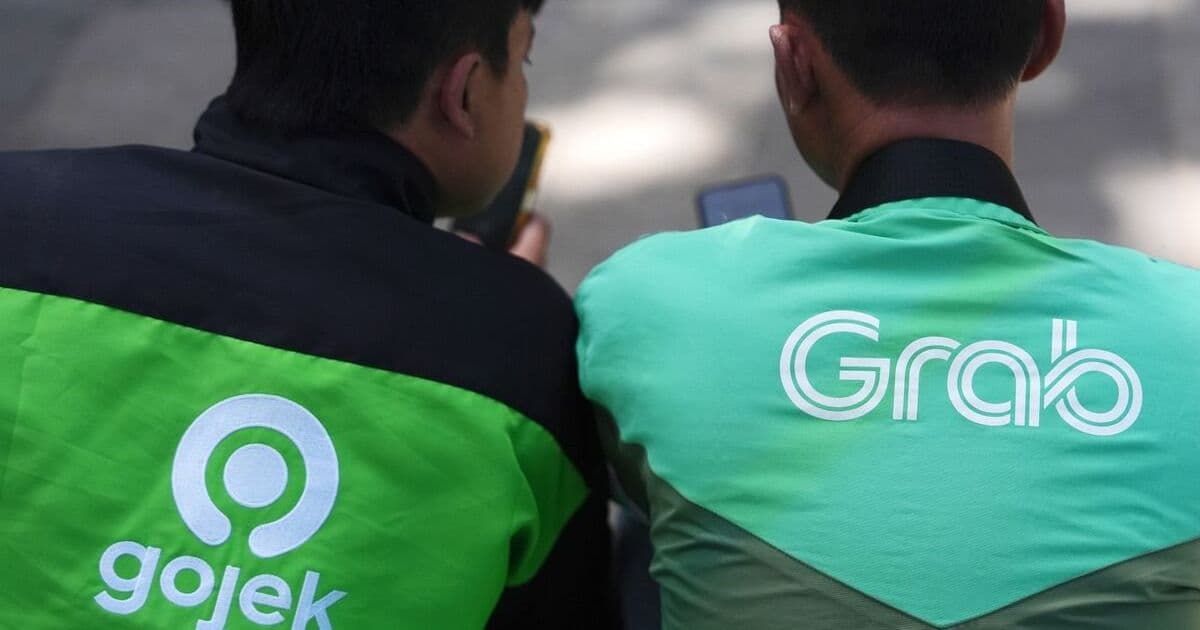
Grab's multibillion-dollar acquisition of Indonesian super-app GoTo has encountered a significant obstacle, with state-owned carrier Telkomsel unwilling to sell its 2% stake at current market valuations. This impasse highlights the complex valuation challenges in Southeast Asia's tech consolidation wave and could force Grab to reconsider its acquisition strategy or adjust its offer.
Grab Holdings Ltd.'s planned multibillion-dollar acquisition of GoTo Group has hit a stumbling block over the unwillingness of Indonesian state-owned telecommunications carrier Telkomsel to sell its approximately 2% stake in GoTo at current valuations, according to sources familiar with the negotiations.
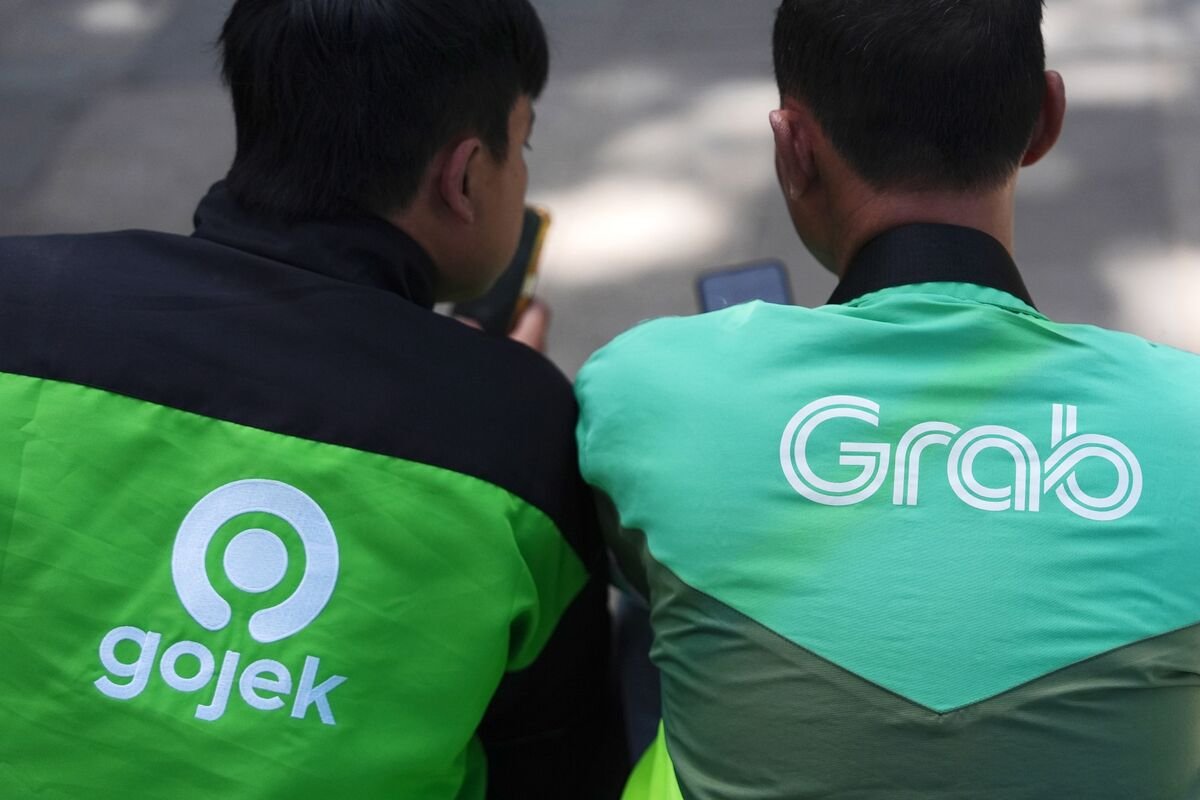
The acquisition, first reported in late 2025, would combine two of Southeast Asia's most valuable tech companies. Grab, the Singapore-based ride-hailing and delivery giant, has been seeking to acquire GoTo, the Indonesian conglomerate formed from the merger of Gojek and Tokopedia. The deal would create a super-app powerhouse across the region, with a combined market capitalization exceeding $30 billion.
However, Telkomsel's resistance introduces a critical complication. As a state-owned enterprise under Telkom Indonesia, the carrier holds a strategic minority stake in GoTo that was acquired during Gojek's growth phase. Sources indicate Telkomsel believes GoTo's current valuation—approximately $12 billion following its recent stock decline—does not reflect the company's long-term potential, particularly given its dominant position in Indonesia's digital economy.
The valuation dispute centers on differing perspectives on GoTo's growth trajectory. While Grab's offer likely reflects GoTo's current financial performance and market conditions, Telkomsel appears to be holding out for a higher premium that accounts for GoTo's strategic value in Indonesia's $100 billion digital economy. The carrier's position is strengthened by its state backing, which reduces pressure to accept a quick exit.
This impasse reveals broader challenges in Southeast Asia's tech consolidation landscape. Unlike mature markets where minority stakes are routinely traded at market rates, state-affiliated investors in emerging markets often prioritize strategic interests over immediate financial returns. Telkomsel's stake represents not just a financial investment but a strategic foothold in Indonesia's digital infrastructure, which could become increasingly valuable as the country's digital economy expands.
For Grab, the Telkomsel complication adds pressure to an already complex transaction. The company has been seeking to expand its footprint in Indonesia, GoTo's home market, where it faces intense competition. An acquisition of GoTo would give Grab immediate scale and market leadership across ride-hailing, food delivery, and e-commerce in Indonesia. However, the deal's structure likely requires securing all major shareholders, making Telkomsel's cooperation essential.
Financially, the acquisition would be one of the largest in Southeast Asian tech history. Grab's market capitalization of approximately $18 billion provides some leverage, but the company would need to finance a significant portion of the deal through cash or stock issuance. The current market environment, with elevated interest rates and cautious investor sentiment toward tech valuations, complicates the financing equation.
The situation also highlights the evolving role of state-owned enterprises in Southeast Asia's tech ecosystem. Governments in the region have become increasingly strategic about foreign ownership of digital platforms, particularly in sectors like payments and logistics that intersect with national infrastructure. Indonesia, in particular, has shown willingness to intervene in tech deals to protect domestic interests.
Industry analysts note that Grab may need to adjust its approach. Options include increasing the offer price specifically for Telkomsel's stake, structuring the deal to provide Telkomsel with ongoing strategic benefits, or seeking alternative paths to strengthen its Indonesia presence without a full acquisition. The company could also explore partnerships with other Indonesian digital players or accelerate its own organic growth in the market.
The impasse comes at a critical time for both companies. GoTo has been under pressure to improve profitability after years of heavy spending on growth. The company reported a net loss of 1.7 trillion Indonesian rupiah ($110 million) in the first half of 2025, though revenue grew 18% year-over-year. Grab, meanwhile, has been focusing on profitability after its 2021 IPO, with recent quarters showing improved margins but slower growth in its core markets.
Regulatory considerations add another layer of complexity. Indonesia's Competition Commission would need to approve any merger that creates a dominant player in multiple sectors. The combined entity would control significant market share in ride-hailing, food delivery, and e-commerce, potentially triggering antitrust scrutiny. Previous tech mergers in Southeast Asia have faced extended review periods and conditions.
The outcome of the Telkomsel negotiation will likely set a precedent for future tech consolidation in the region. If Grab succeeds in acquiring GoTo despite this hurdle, it could encourage other cross-border combinations. Conversely, if the deal collapses, it may signal that state-affiliated investors will demand higher premiums for strategic stakes, potentially slowing the pace of consolidation.
For investors, the development underscores the geopolitical and regulatory risks inherent in Southeast Asian tech investments. While the region offers substantial growth potential, deals often involve navigating complex stakeholder relationships that extend beyond simple financial calculations. This dynamic has become particularly pronounced as governments seek to balance foreign investment with domestic economic development.
The situation remains fluid, with sources suggesting negotiations are ongoing. Grab and Telkomsel have not publicly commented on the talks, and GoTo has declined to address speculation about the acquisition. Industry observers expect resolution within the coming months, as both companies face pressure to clarify their strategic direction ahead of 2026 planning cycles.
Ultimately, the Telkomsel standoff represents a microcosm of Southeast Asia's tech maturation. As the region's digital economy moves from growth-at-all-costs to sustainable profitability, valuations are being reassessed, and strategic investors are asserting their influence. The outcome will provide important signals about the future of tech consolidation in one of the world's most dynamic digital markets.
Comments
Please log in or register to join the discussion