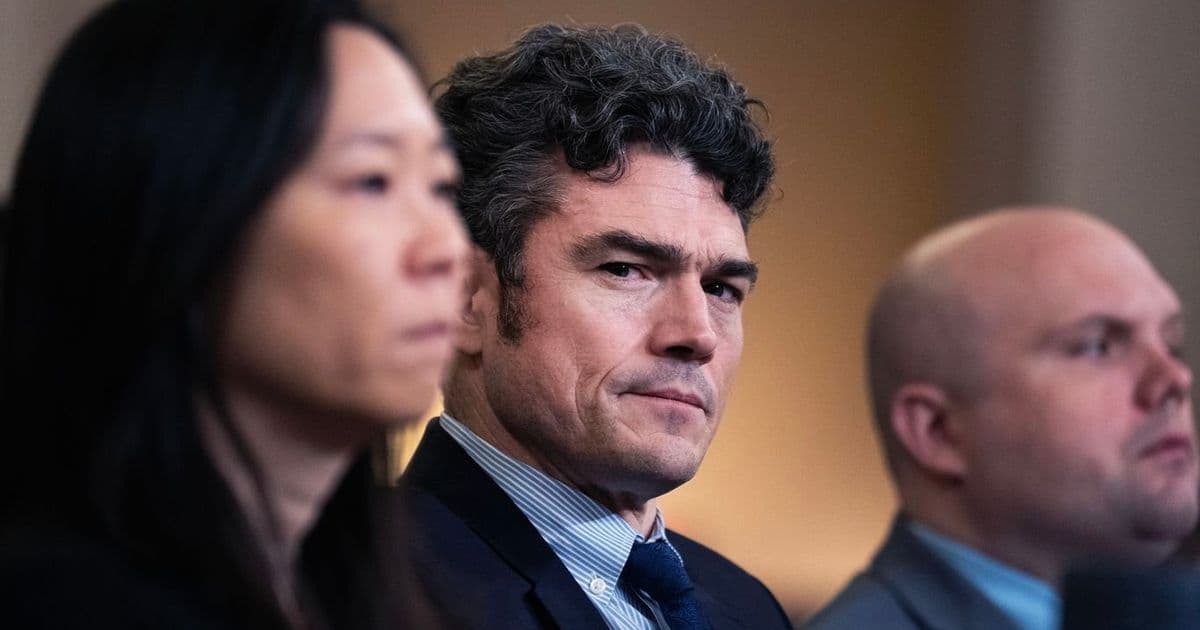
A senior U.S. counterterrorism official has resigned, citing disagreement with the administration's justification for potential military action against Iran.
A senior U.S. intelligence official has resigned from his post at the National Counterterrorism Center, citing concerns over the Trump administration's justification for potential military action against Iran.
Joe Kent, who served as the deputy director of the National Counterterrorism Center, announced his resignation in a statement that directly challenged the administration's characterization of the threat posed by Iran. Kent stated that he could not support what he described as an exaggerated assessment of Iran's intentions and capabilities.
In his resignation letter, Kent wrote that he had "no confidence" in the administration's claims about an "imminent threat" from Iran, suggesting that the intelligence did not support the level of urgency being communicated to the public and policymakers.
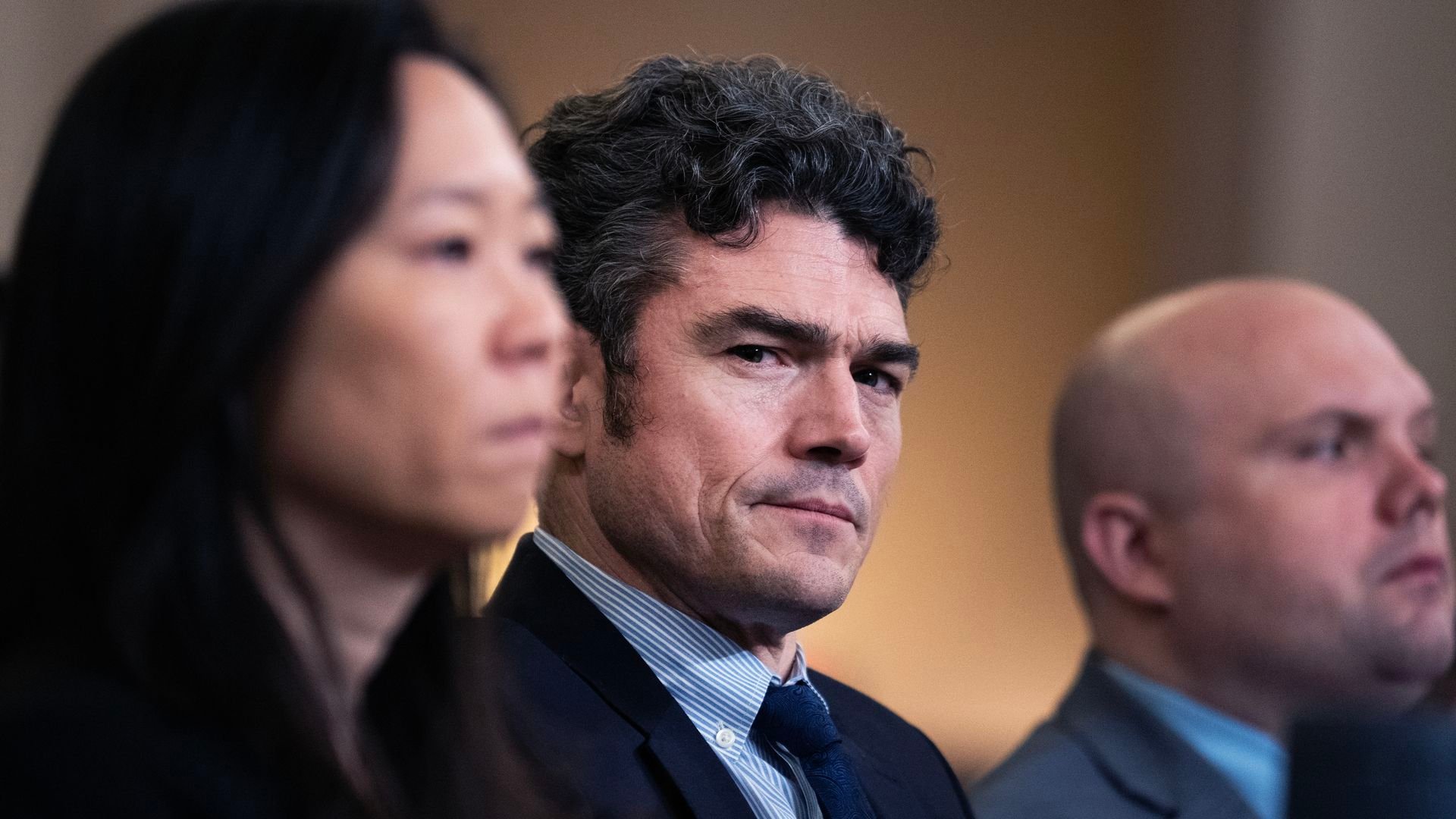
The resignation comes amid heightened tensions between the United States and Iran, with the Trump administration having taken a hardline stance on Iranian activities in the Middle East. The White House has maintained that Iran poses a significant threat to American interests and allies in the region.
Kent's departure represents a rare public break between a career intelligence official and the administration's policy positions. His resignation letter was obtained by multiple news outlets and has sparked debate about the politicization of intelligence assessments.
Sources familiar with the matter indicate that Kent had raised concerns internally about the administration's Iran policy but ultimately decided to resign when he felt those concerns were not being addressed.
The National Counterterrorism Center, where Kent served, is responsible for analyzing terrorist threats and producing assessments for senior policymakers. His resignation raises questions about potential disagreements within the intelligence community regarding the assessment of Iranian threats.
This development follows a pattern of high-profile departures from government positions over policy disagreements, though Kent's case is notable for its direct challenge to national security assessments.
The Trump administration has not yet issued an official response to Kent's resignation, though sources indicate that the White House views Iran as a persistent threat that requires a strong response.
Kent's resignation highlights the ongoing debate within the U.S. government about how to characterize and respond to Iranian activities, particularly in light of the administration's maximum pressure campaign against Tehran.
The timing of this resignation is significant as it comes during a period of increased military activity in the Middle East and ongoing diplomatic efforts to address regional security concerns.
Intelligence community veterans have noted that such public resignations over policy disagreements are uncommon, making Kent's case particularly noteworthy in the context of current U.S.-Iran relations.
The incident underscores the challenges faced by intelligence professionals in balancing their duty to provide objective analysis with political pressures to support specific policy positions.
As tensions with Iran continue to evolve, Kent's resignation may prompt further scrutiny of how intelligence assessments are being used to justify policy decisions regarding military action and diplomatic engagement.
Comments
Please log in or register to join the discussion