Scientists discover all five DNA and RNA nucleobases in asteroid samples from Ryugu, providing evidence that the molecular prerequisites for life may be common throughout the Solar System.
Scientists have discovered all five canonical nucleobases that form the foundation of DNA and RNA in samples collected from the asteroid Ryugu, providing compelling evidence that the molecular building blocks of life may be common throughout the Solar System rather than unique to Earth.
The groundbreaking findings, published in the journal Nature Astronomy in a paper titled "A complete set of canonical nucleobases in the carbonaceous asteroid (162173) Ryugu," represent a significant advance in our understanding of how life's essential components might form and distribute across planetary systems.
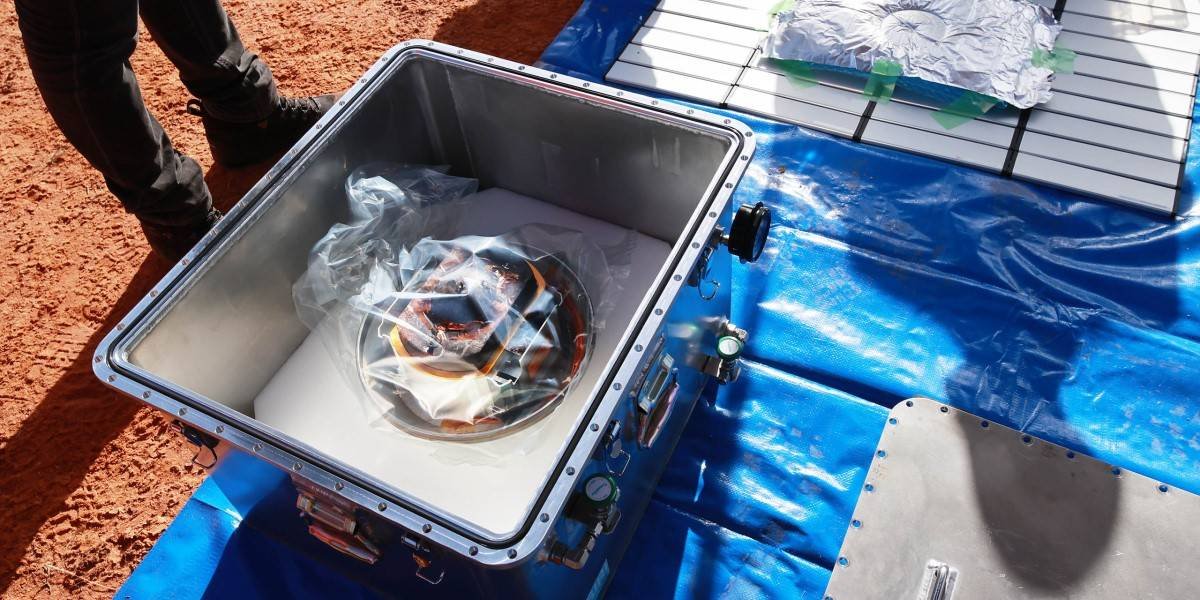
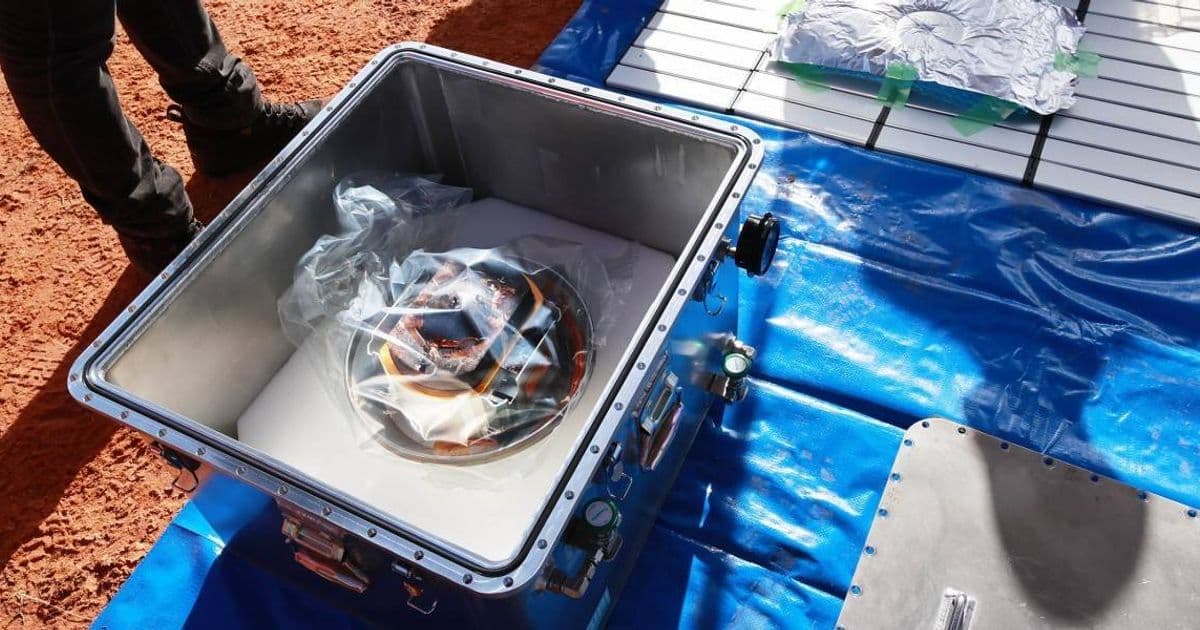
The research team, led by scientists from Japan's Agency for Marine-Earth Science and Technology, analyzed samples returned by JAXA's Hayabusa2 mission, which visited Ryugu in 2020. Their analysis revealed the presence of all five canonical nucleobases: the purines adenine and guanine, and the pyrimidines cytosine, thymine, and uracil.
These nucleobases are the fundamental units that make up the base sequences of DNA and RNA, which encode and transmit genetic information in all known living organisms. Finding them all present in an asteroid that formed in the space between Earth and Mars suggests that these molecules can form through natural chemical processes throughout the Solar System.
"This implies that the molecular prerequisites for life are not unique to Earth and may emerge as natural products of chemical evolution throughout the Solar System," the researchers state in their paper. The discovery strengthens the hypothesis that similar chemical processes could be occurring in other planetary systems as well.
The significance of this finding extends beyond the mere presence of these molecules. The researchers also examined samples from NASA's OSIRIS-REx mission to the asteroid Bennu, collected in 2023, which similarly showed evidence of all five canonical nucleobases. Additionally, analysis of the Orgueil meteorite, which fell in France in 1864, revealed the presence of uracil, adenine, and guanine.
By comparing these three different extraterrestrial sources, the scientists were able to identify patterns in the relative abundances of different nucleobases. They discovered a clear correlation between the purine-to-pyrimidine ratio and ammonia abundance, leading them to propose a new molecular indicator for tracking non-biological nucleobase evolution.
This correlation suggests specific formation pathways for these molecules, providing insights into the chemical conditions present during the early formation of the Solar System. The findings indicate that the fundamental components of genetic material were likely produced universally during the formation of the Solar System, offering important direct evidence for early chemical evolution.
The implications of this research are profound for our understanding of life's origins. If the building blocks of genetic material can form naturally in asteroids and other small bodies throughout the Solar System, it suggests that the molecular inventory necessary for life may have been delivered to early Earth through meteorite and asteroid impacts.
"Nucleobases could have been delivered to the early Earth, potentially contributing to the molecular inventory necessary for life," the paper argues. This supports theories that life on Earth may have been seeded or at least supplemented by organic compounds from space.
Furthermore, understanding the formation mechanisms of extraterrestrial nucleobases helps constrain the universal physicochemical conditions under which they can form abiotically. This creates a link between astrochemical processes in interstellar and planetary environments and the chemical evolution that preceded the origin of life.
The research represents a significant step forward in astrobiology and the search for life beyond Earth. By demonstrating that the molecular prerequisites for life are not unique to our planet, it suggests that the conditions for life's emergence may be more common in the universe than previously thought.
These findings also have implications for future space exploration and the search for extraterrestrial life. Understanding the distribution and formation of organic molecules in our Solar System can help guide the selection of targets for future missions and inform the development of instruments designed to detect signs of life on other worlds.
The discovery that our Solar System naturally produced the building blocks of life billions of years ago, and that these molecules have been preserved in asteroids, provides a fascinating perspective on our cosmic origins. It suggests that the emergence of life may be a natural consequence of the chemical processes that occur during planetary system formation, rather than a rare and unique event.
As we continue to explore our Solar System and beyond, discoveries like these bring us closer to understanding whether we are alone in the universe or whether life may be a common outcome of the cosmic processes that shape planetary systems.
Comments
Please log in or register to join the discussion