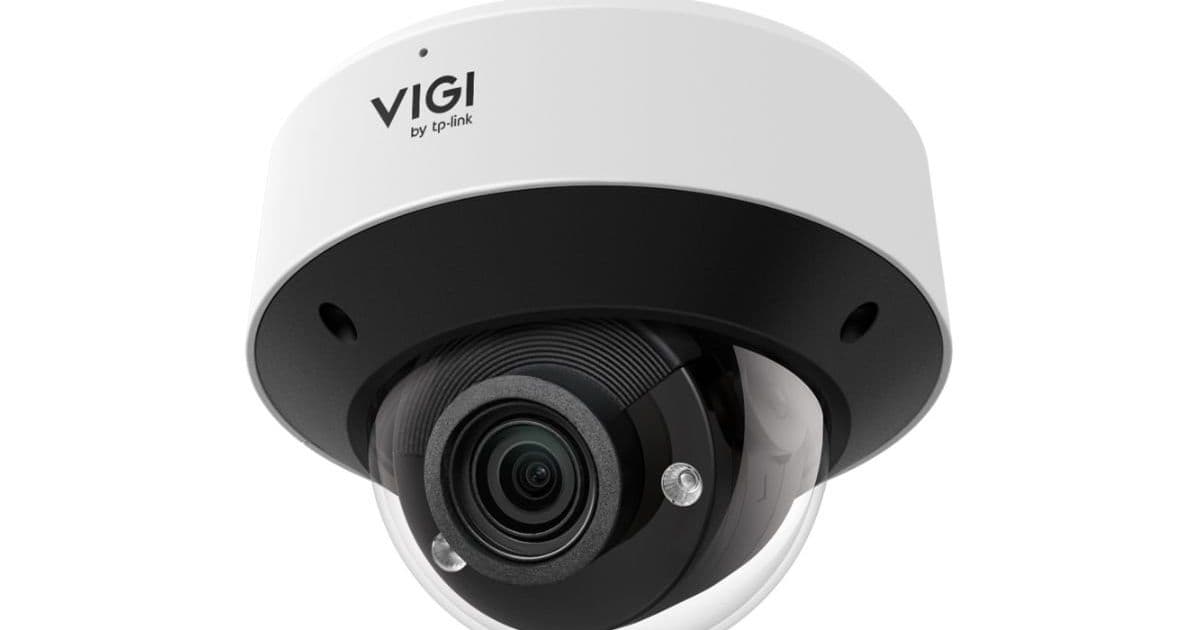
A critical authentication bypass in TP-Link's Vigi business security camera line affects more than 60 models, allowing attackers to reset admin passwords and gain full device control. The company has issued firmware updates to address the high-risk vulnerability, which scored 8.7/10 on the CVSS v4.0 scale.
TP-Link has disclosed a significant security vulnerability affecting its Vigi line of business security cameras, with over 60 models currently exposed to potential unauthorized access. The vulnerability, located in the password recovery feature, allows an attacker to bypass standard authentication procedures and reset the administrator password, effectively granting complete control over the compromised device.
The Vulnerability Details
The security flaw resides in the password recovery mechanism of the Vigi camera firmware. According to TP-Link's official statement, an attacker can exploit this weakness without requiring any prior authentication credentials. Once the admin password is reset, the attacker gains full administrative access to the camera, including the ability to view live feeds, access stored recordings, modify settings, and potentially use the device as an entry point into broader network infrastructure.
TP-Link has rated this vulnerability as high risk using the Common Vulnerability Scoring System (CVSS) v4.0, assigning it a score of 8.7 out of 10. This rating reflects the vulnerability's potential impact on confidentiality, integrity, and availability of the affected devices, as well as the low attack complexity and lack of required user interaction.
Affected Product Range
The vulnerability impacts a substantial portion of TP-Link's Vigi camera portfolio, which is primarily designed for business and commercial security applications. Key affected series include:
- Vigi Cx40-W series: These are wireless indoor/outdoor cameras commonly used in retail and small business environments
- Vigi Cx40I series (versions 1.0 and 1.20): Indoor cameras with various resolution options
- Vigi InSight Sx45ZI series: Includes models like the Vigi InSight S445ZI, which is currently listed at $209.59 on Amazon Marketplace
The complete list of affected models is available on TP-Link's dedicated support page, which users should consult to verify if their specific camera model is vulnerable. The scope of this vulnerability is particularly concerning for businesses that have deployed multiple Vigi cameras across their premises, as each device represents a potential security breach point.
Mitigation and Firmware Updates
TP-Link has responded to the vulnerability by releasing firmware updates for all affected Vigi camera models. These updates are available through the company's Download Center, where users can search for their specific camera model to find the appropriate firmware version.
The company strongly recommends that all affected users apply the firmware updates immediately. For businesses managing multiple cameras, this may require scheduling maintenance windows to minimize disruption to security monitoring operations. TP-Link has not indicated whether the updates require any special installation procedures beyond standard firmware update processes.
Security Implications for Business Users
This vulnerability highlights several important considerations for businesses using network-connected security cameras:
Network Segmentation: Security cameras should ideally be placed on a separate network segment from critical business systems to limit potential lateral movement if a device is compromised.
Regular Firmware Updates: This incident underscores the importance of maintaining current firmware on all network-connected devices, not just computers and servers.
Physical Security Considerations: While this is a software vulnerability, compromised cameras can provide attackers with visual information about business operations, employee routines, and physical security measures.
Vendor Responsiveness: TP-Link's relatively quick disclosure and patch release demonstrates responsible vulnerability management, but businesses should evaluate their tolerance for such risks when selecting security equipment.
Broader Context of IoT Security
This vulnerability is part of a larger pattern of security challenges in the Internet of Things (IoT) device market. Security cameras, in particular, have been frequent targets for attackers due to their widespread deployment and often limited security postures. Many IoT devices prioritize ease of setup and functionality over security, creating systemic risks in both consumer and business environments.
Businesses considering security camera deployments should evaluate vendors not just on hardware specifications and pricing, but also on their security track record, vulnerability response processes, and long-term firmware support policies.
Recommended Actions for Affected Users
- Identify Your Model: Check the complete list of affected products on TP-Link's support page
- Download Firmware: Visit the TP-Link Download Center and search for your specific camera model
- Apply Updates: Install the firmware update following TP-Link's instructions
- Verify Functionality: Test camera operation after updating to ensure no functionality is lost
- Review Security Settings: Consider implementing additional security measures such as network segmentation and strong, unique passwords
For businesses with extensive Vigi camera deployments, TP-Link may provide additional support through their business customer service channels. The company has not indicated any compensation or extended support arrangements for affected business customers.
The vulnerability serves as a reminder that even established networking brands like TP-Link can have security flaws in their product lines. While the company's prompt response is commendable, businesses must remain vigilant about maintaining their security infrastructure and should have processes in place for rapid deployment of critical security updates.
TP-Link Vigi Camera Support Page TP-Link Download Center CVSS v4.0 Specification
Comments
Please log in or register to join the discussion