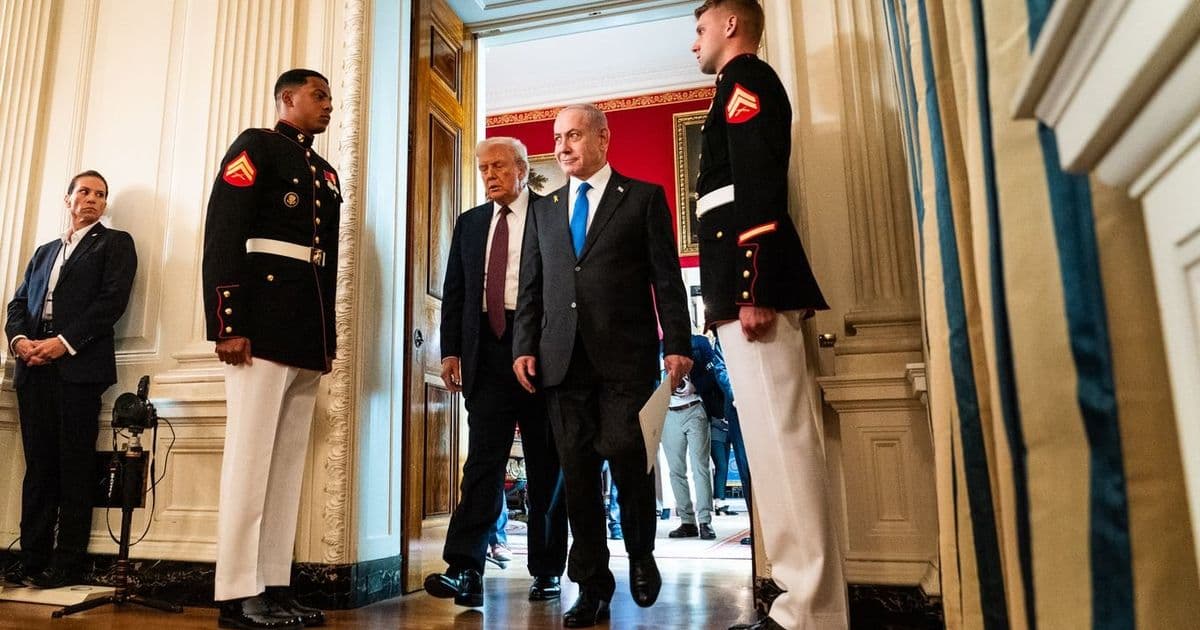
A second phone call between President Trump and Israeli Prime Minister Benjamin Netanyahu focused on Iran, suggesting a potential recalibration of regional security strategies and defense cooperation between the two allies.
President Trump and Israeli Prime Minister Benjamin Netanyahu held a second phone conversation centered on Iran, according to sources familiar with the discussion. The call, which occurred shortly after their September 29 meeting at the White House, indicates a sustained focus on Tehran's nuclear program and regional activities as a priority for both administrations.
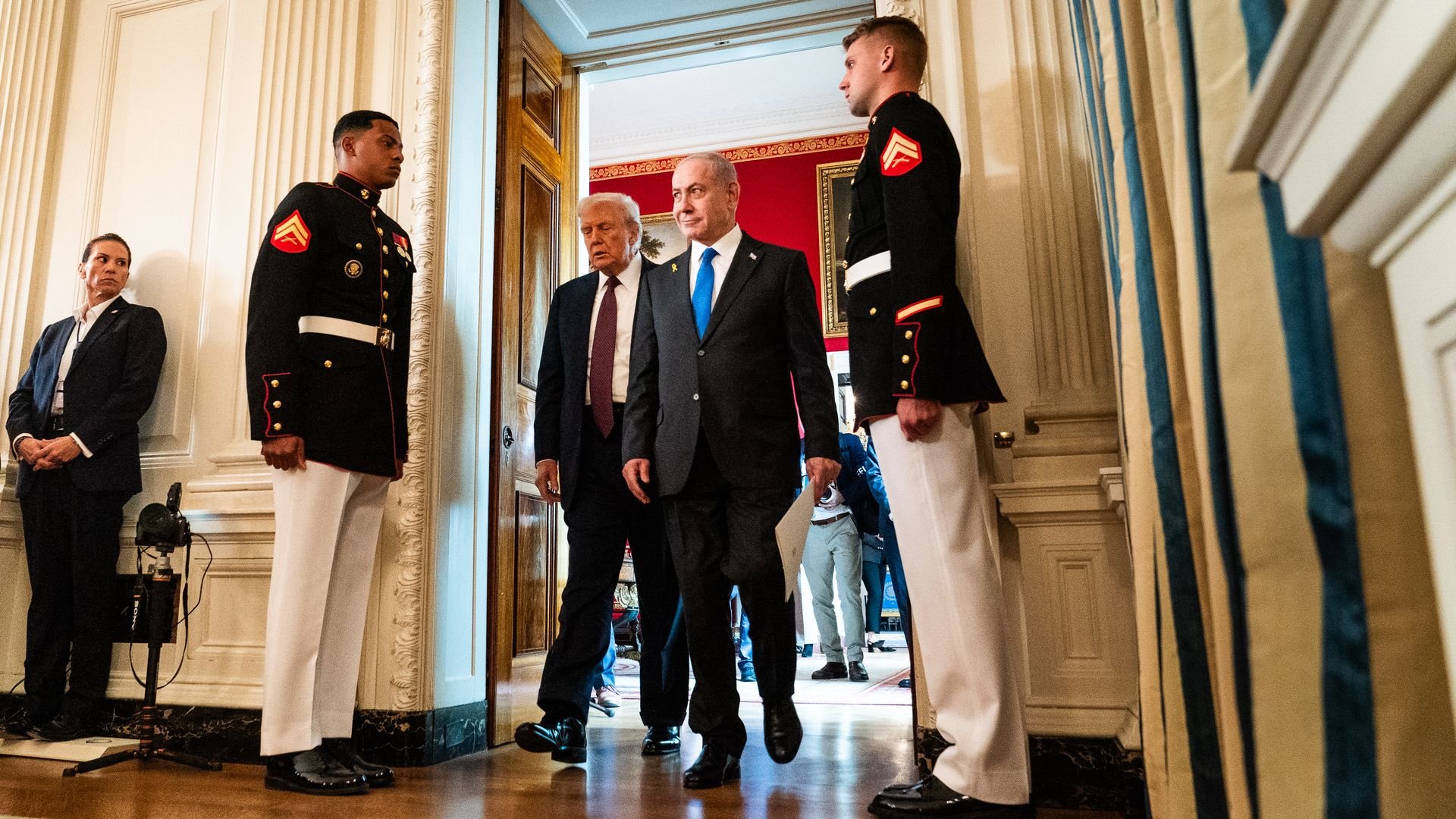
The timing of these discussions is significant. The first call followed their White House meeting where they discussed Iran's nuclear enrichment activities and its support for proxy groups across the Middle East. The second call suggests the topic required follow-up coordination, potentially involving intelligence sharing or aligning diplomatic approaches ahead of upcoming international negotiations.
From a strategic perspective, this renewed focus on Iran comes as the Joint Comprehensive Plan of Action (JCPOA) remains effectively dormant. Iran continues to enrich uranium at levels approaching weapons-grade purity, with the International Atomic Energy Agency reporting stockpile levels exceeding the JCPOA's limits by approximately 30 times. Israeli intelligence has consistently maintained that Iran is within months of achieving a nuclear breakout capability if it chooses to pursue one.
The discussions likely covered several key areas. First, the status of Iran's nuclear program, particularly recent advances in centrifuge technology and underground facilities. Second, Iran's support for regional proxies including Hezbollah in Lebanon, Houthi rebels in Yemen, and militia groups in Iraq and Syria. Third, potential coordination on sanctions enforcement, particularly regarding Iran's oil exports to China, which have increased despite U.S. sanctions.
For the United States, the conversation represents a continuation of Trump's "maximum pressure" approach, which includes strict sanctions and diplomatic isolation of Tehran. For Israel, it reinforces its long-standing security doctrine that Iran's nuclear program represents an existential threat. The alignment between these positions could lead to increased intelligence cooperation and potentially coordinated diplomatic initiatives.
The business implications extend to defense and technology sectors. Israeli defense companies like Rafael Advanced Defense Systems and Israel Aerospace Industries have developed missile defense systems specifically designed to counter Iranian threats, including the Iron Dome and David's Sling. U.S. defense contractors, particularly those specializing in missile defense and intelligence technology, could see increased demand for systems compatible with Israeli defense networks.
Cybersecurity firms also stand to benefit from heightened tensions. Iran has been identified as a major state actor in cyber warfare, targeting both Israeli and U.S. infrastructure. Companies specializing in threat intelligence and network security may see increased government contracts for monitoring and defending against Iranian cyber operations.
The discussions also carry implications for energy markets. Any escalation in tensions could affect oil prices, particularly if conflict disrupts shipping through the Strait of Hormuz, through which approximately 20% of the world's oil passes. Insurance rates for shipping in the region have already increased due to regional instability, affecting global supply chains.
Diplomatically, the calls may signal a shift in how the U.S. approaches multilateral negotiations with Iran. While the Biden administration had attempted to revive the JCPOA through indirect talks, the Trump administration appears to favor a more unilateral approach, potentially working with regional allies like Israel and Saudi Arabia to pressure Tehran.
The Israeli perspective adds complexity. Netanyahu's government has consistently argued that any agreement with Iran must include robust verification mechanisms and address Iran's ballistic missile program—elements not covered in the original JCPOA. The discussions may have explored how to incorporate these concerns into any future diplomatic framework.
Regional dynamics further complicate the picture. The Abraham Accords, which normalized relations between Israel and several Arab nations, were partly driven by shared concerns about Iran. Strengthened U.S.-Israel coordination could reinforce these alliances, potentially creating a more cohesive regional bloc to counter Iranian influence.
Looking ahead, the discussions could lead to several concrete developments. Increased intelligence sharing between U.S. and Israeli agencies is likely, particularly regarding Iran's nuclear program and proxy activities. There may also be enhanced military cooperation, including joint exercises and technology transfers. Diplomatically, we might see a more coordinated approach to upcoming UN Security Council discussions on Iran's compliance with non-proliferation agreements.
The business community will be watching closely. Defense stocks often respond to geopolitical tensions, and companies with exposure to Middle Eastern markets could see volatility. Technology firms working on cybersecurity and intelligence may find new opportunities, while energy companies will monitor the situation for potential supply disruptions.
Ultimately, these conversations represent more than routine diplomatic exchanges. They signal a potential realignment of U.S.-Israel strategy on Iran, with implications that extend from defense contracts to energy markets to regional stability. The follow-up nature of the second call suggests this is not merely symbolic but part of a sustained strategic dialogue that could shape the region's security landscape for years to come.
Comments
Please log in or register to join the discussion