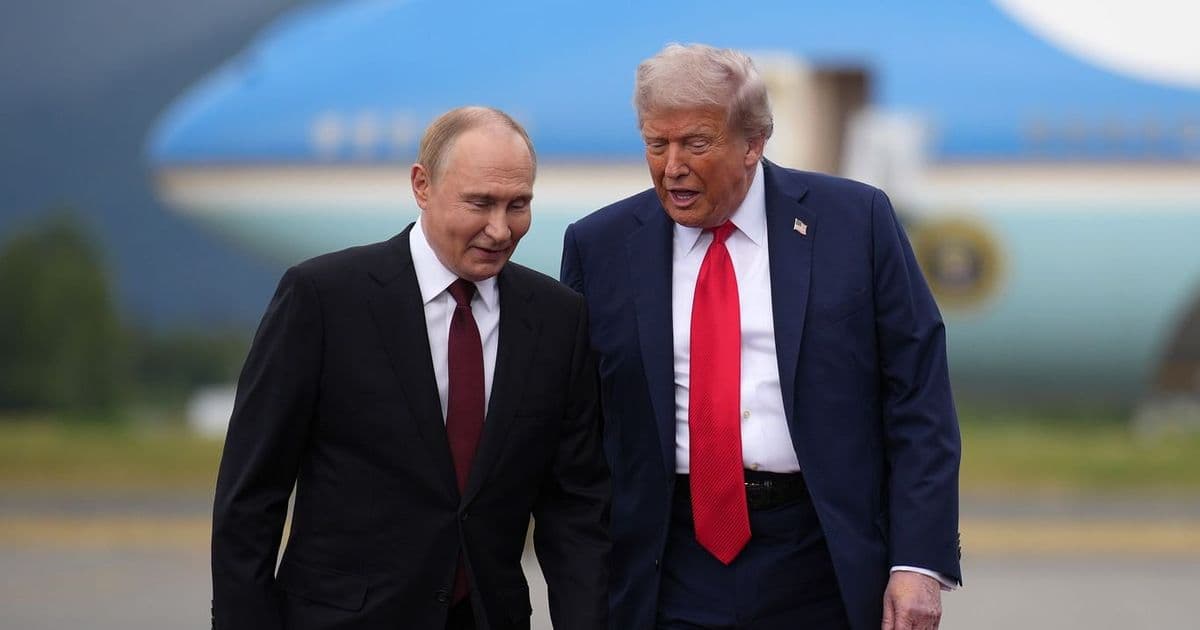
PresidentTrump and Russian President Vladimir Putin held a phone call discussing potential resolutions to the ongoing conflicts in Iran and Ukraine, marking a significant diplomatic engagement between the two leaders.
PresidentTrump and Russian President Vladimir Putin held a phone call on August 15, 2025, at Joint Base Elmendorf-Richardson in Anchorage, Alaska, to discuss potential resolutions to the ongoing conflicts in Iran and Ukraine. The conversation, which lasted approximately two hours, represents a significant diplomatic engagement between the two leaders amid escalating tensions in both regions.
Context of the Call
The timing of this call comes at a critical juncture in international relations. The Ukraine conflict has entered its third year with no clear resolution in sight, while tensions with Iran have intensified following recent developments in the Middle East. This direct communication between Trump and Putin signals a potential shift in diplomatic approaches to these complex geopolitical challenges.
Key Discussion Points
While specific details of the conversation remain limited, sources indicate that both leaders explored pathways toward de-escalation in both conflict zones. The discussion reportedly covered:
- Potential ceasefire arrangements in Ukraine
- Nuclear negotiations with Iran
- Regional security frameworks
- Economic sanctions and their impact on diplomatic relations
Strategic Implications
This call carries significant weight in the current geopolitical landscape. The United States and Russia have maintained strained relations since the beginning of the Ukraine conflict, making this direct engagement noteworthy. The fact that both leaders are discussing potential endgames for these conflicts suggests a possible recalibration of diplomatic strategies.
For the tech industry, this development could have substantial implications. The ongoing conflicts have disrupted global supply chains, particularly in the semiconductor and energy sectors. A resolution could stabilize markets and potentially accelerate technological development and deployment across various industries.
Market Reactions
Following news of the call, financial markets showed signs of cautious optimism. Technology stocks, particularly those with significant exposure to Eastern European and Middle Eastern markets, experienced modest gains. Companies in the defense, energy, and telecommunications sectors are particularly watching these developments closely, as any resolution could reshape their operational landscapes.
What This Means for the Tech Sector
The potential de-escalation of these conflicts could have several implications for the technology industry:
Supply Chain Stabilization: Reduced geopolitical tensions could lead to more predictable supply chains for critical components, particularly semiconductors and rare earth materials.
Energy Markets: Any resolution affecting Iran could impact global energy prices, which in turn affects data center operations and cloud computing costs.
Cybersecurity: Reduced state-level tensions might lead to decreased state-sponsored cyberattacks, though this remains speculative.
International Collaboration: Improved diplomatic relations could facilitate greater international cooperation on technology standards and regulations.
Looking Ahead
The coming weeks will be crucial in determining whether this call represents a genuine diplomatic breakthrough or merely a temporary pause in tensions. Technology leaders and investors will be monitoring subsequent developments closely, as the outcomes could significantly impact global tech operations and strategies.
As the situation develops, the tech industry remains poised to adapt to whatever diplomatic outcomes emerge from these high-level discussions between the United States and Russia.
Comments
Please log in or register to join the discussion