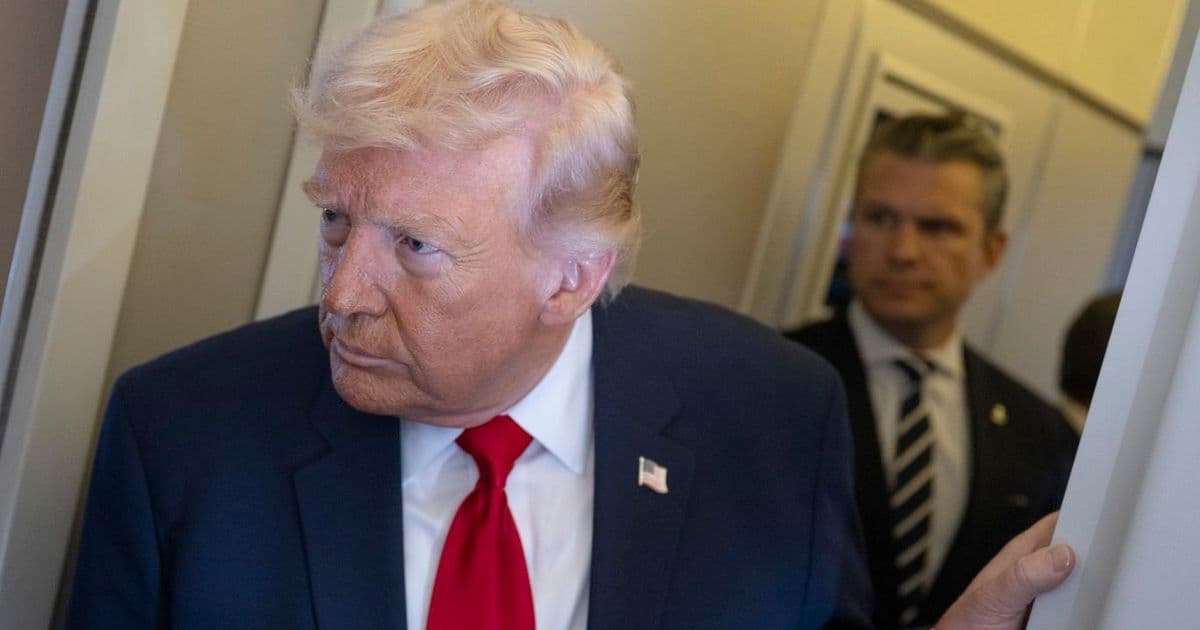
Former President Trump tells Axios that Iran's military capabilities have been severely degraded, suggesting limited targets remain for potential future strikes.
Former President Donald Trump told Axios in a recent interview that Iran's military infrastructure has been so severely damaged by recent strikes that there is "practically nothing left" to target. The statement comes amid escalating tensions between the United States and Iran over the latter's nuclear program and regional activities.
Trump's comments, delivered during an exclusive interview with Axios correspondent Barak Ravid, suggest a significant shift in the strategic landscape of the Middle East. The former president indicated that previous military actions have effectively neutralized much of Iran's conventional military capabilities, potentially altering the calculus for future military engagements.
Strategic Implications of Military Degradation
The assessment of Iran's diminished military capacity carries substantial geopolitical weight. If accurate, this would represent a dramatic shift in the balance of power in the region, potentially affecting everything from nuclear negotiations to proxy conflicts across the Middle East.
Military analysts note that Iran's military infrastructure includes:
- Ballistic missile facilities
- Nuclear research sites
- Naval bases and ports
- Air defense systems
- Command and control centers
- Revolutionary Guard installations
Context of Recent Military Actions
While Trump did not specify which recent strikes he was referencing, his administration conducted several military operations against Iranian targets during his presidency, including:
- The 2020 drone strike that killed Iranian General Qasem Soleimani
- Multiple airstrikes on Iranian-backed militia positions in Iraq
- Cyber operations targeting Iranian nuclear facilities
- Economic sanctions severely limiting Iran's military procurement capabilities
Regional Security Dynamics
The former president's assessment, if accurate, could have significant implications for:
- Nuclear non-proliferation negotiations
- Israel's security posture
- Saudi Arabia and Gulf state defense planning
- U.S. military presence in the region
- Iran's ability to project power through proxies
Expert Analysis and Skepticism
However, some military experts have expressed skepticism about Trump's assessment. Iran maintains a sophisticated asymmetric warfare capability, including:
- Advanced drone technology
- Cyber warfare capabilities
- Proxy forces across the region
- Underground facilities resistant to conventional strikes
- Missile production capabilities
Diplomatic Considerations
The timing of Trump's comments is particularly noteworthy given ongoing international efforts to revive the Iran nuclear deal. His assessment could influence diplomatic negotiations by suggesting that Iran may be more willing to make concessions due to diminished military leverage.
What Comes Next
With Trump's claim that few targets remain in Iran, the strategic options for dealing with Iranian aggression or nuclear ambitions become more limited and complex. This could push policymakers toward:
- Increased reliance on economic sanctions
- Enhanced cyber operations
- Greater focus on diplomatic solutions
- Strengthened regional alliances
- Accelerated development of missile defense systems
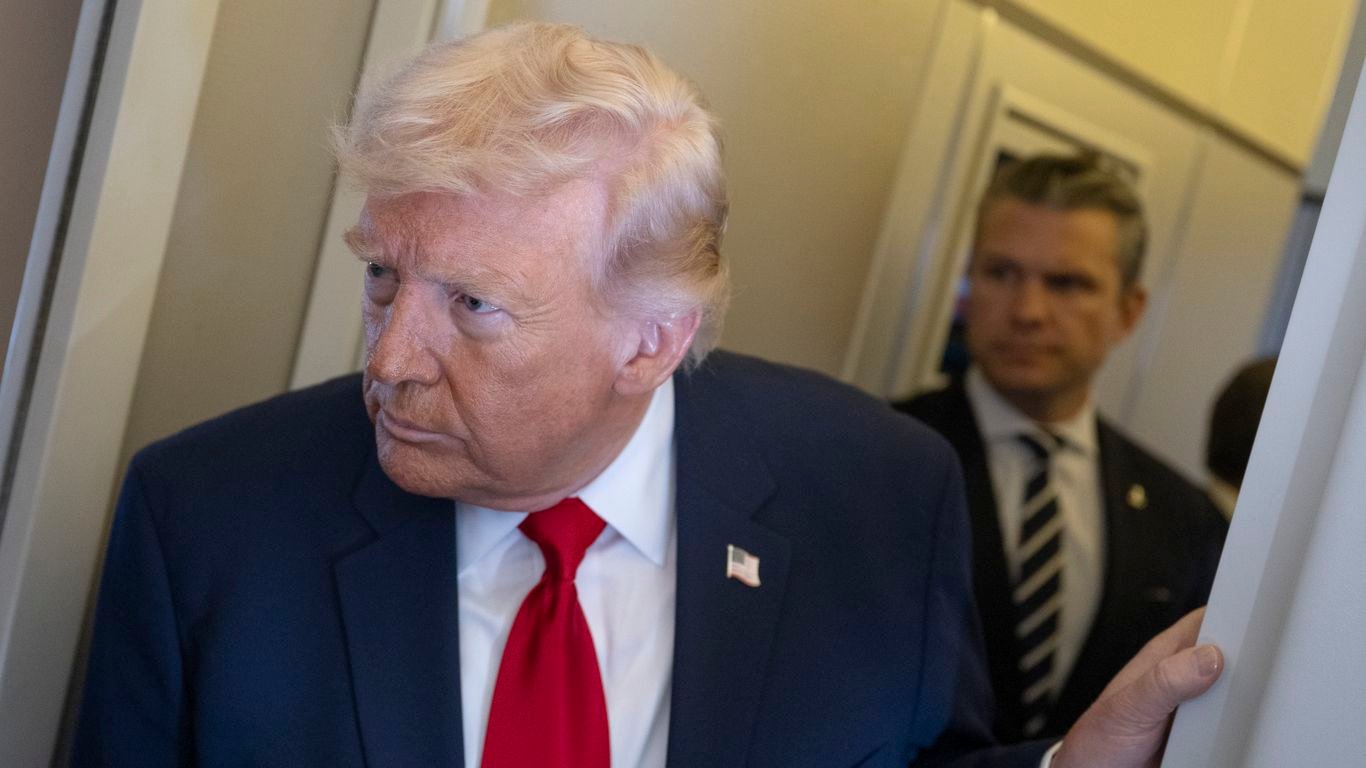
The interview with Trump provides a rare glimpse into the former administration's assessment of Iran's military capabilities, though independent verification of these claims remains limited. As tensions continue to simmer, the international community will be watching closely to see how this assessment affects both military planning and diplomatic efforts in the region.
Comments
Please log in or register to join the discussion