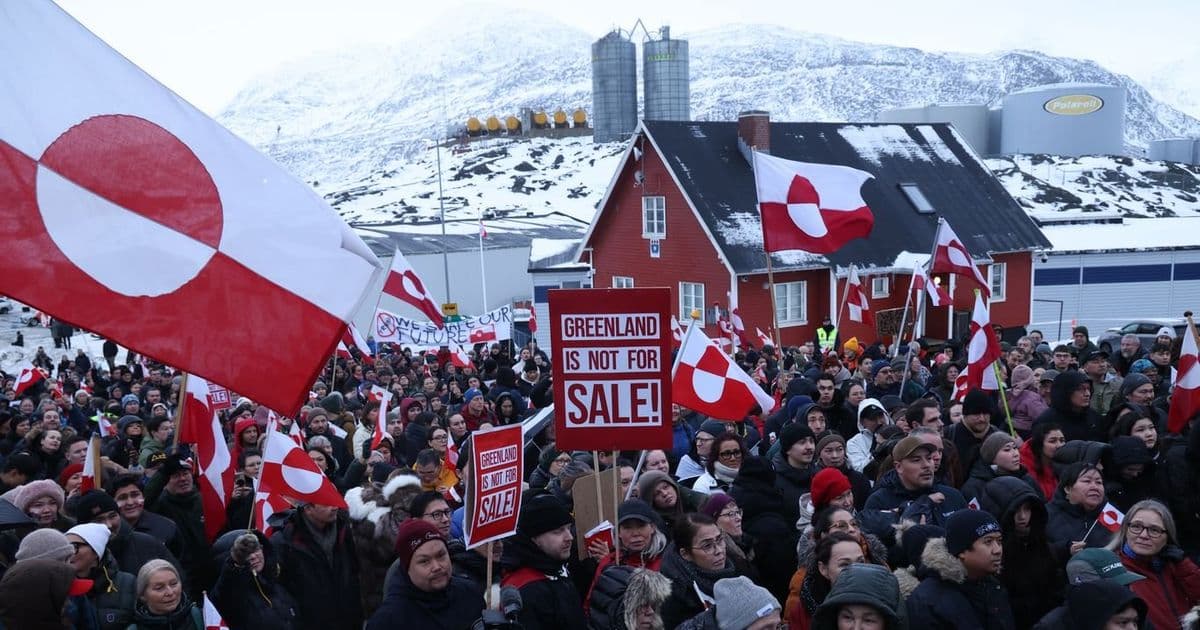
President Trump announced new tariffs targeting eight NATO allies, explicitly linking the trade penalties to Denmark's refusal to discuss selling Greenland.
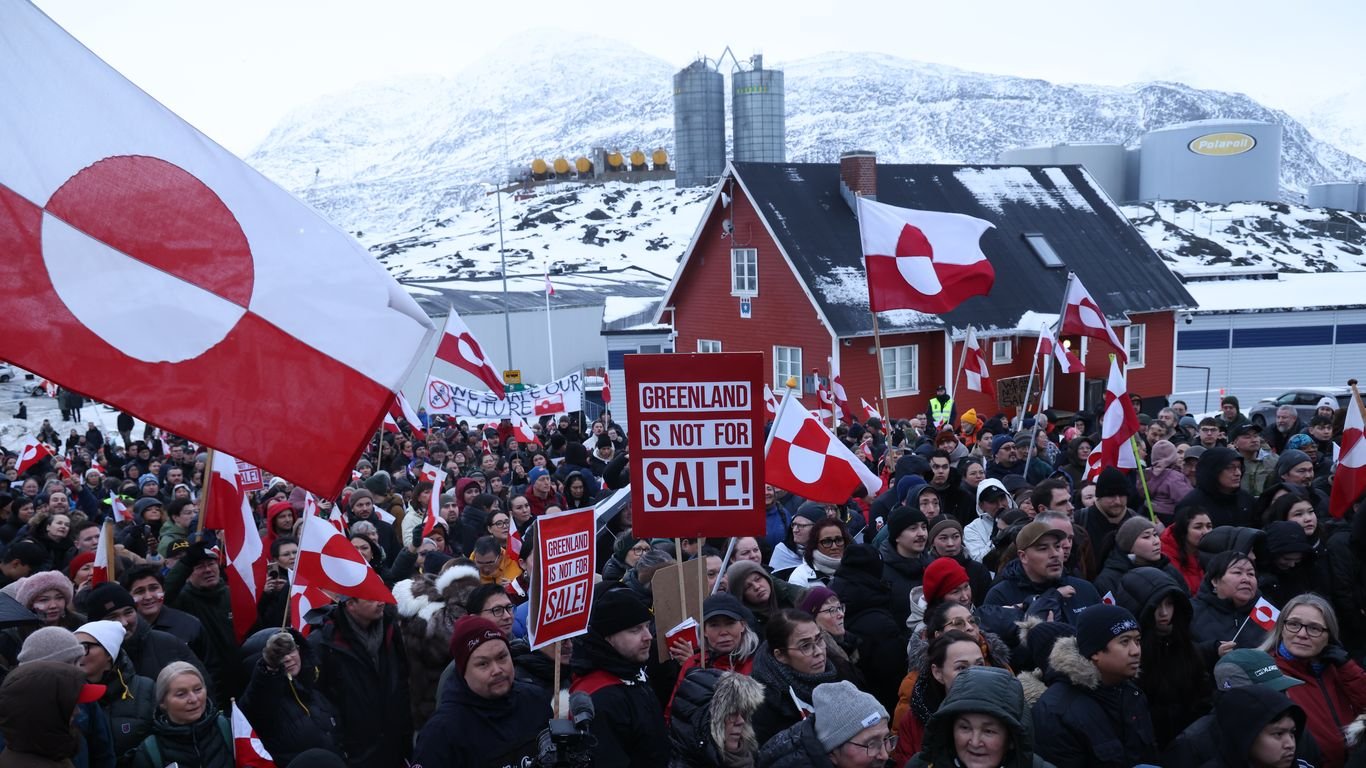
President Trump escalated his campaign to acquire Greenland on Thursday, imposing tariffs on eight NATO allies in what the White House called a 'necessary measure' to compel Denmark to negotiate the Arctic territory's transfer. The unprecedented trade penalties target Canada, Germany, the UK, France, Norway, Italy, Belgium and the Netherlands.
Customs documents reveal specific tariff assignments:
- Canada: 25% on aluminum and automotive parts
- Germany: 20% on automobiles and industrial machinery
- UK: 15% on financial services exports
- Norway: 20% on seafood shipments
- France: 20% on wine and luxury goods
The White House statement explicitly connects the tariffs to Greenland acquisition efforts: 'These measures will remain until Denmark engages in good-faith discussions about Greenland's transfer to the United States.' This linkage marks the first time trade policy has been formally tied to territorial acquisition ambitions.
NATO headquarters convened emergency consultations following the announcement, with Secretary General Jens Stoltenberg expressing 'profound concern' about alliance cohesion. German Chancellor Olaf Scholz condemned the tariffs as 'economic coercion incompatible with partnership,' while Canadian Prime Minister Justin Trudeau promised 'proportionate countermeasures.'
In Copenhagen, Prime Minister Mette Frederiksen reiterated Denmark's position: 'Greenland isn't merchandise. Its future belongs exclusively to Greenlanders under the Danish Constitution.' The foreign ministry summoned the U.S. ambassador for formal objections.
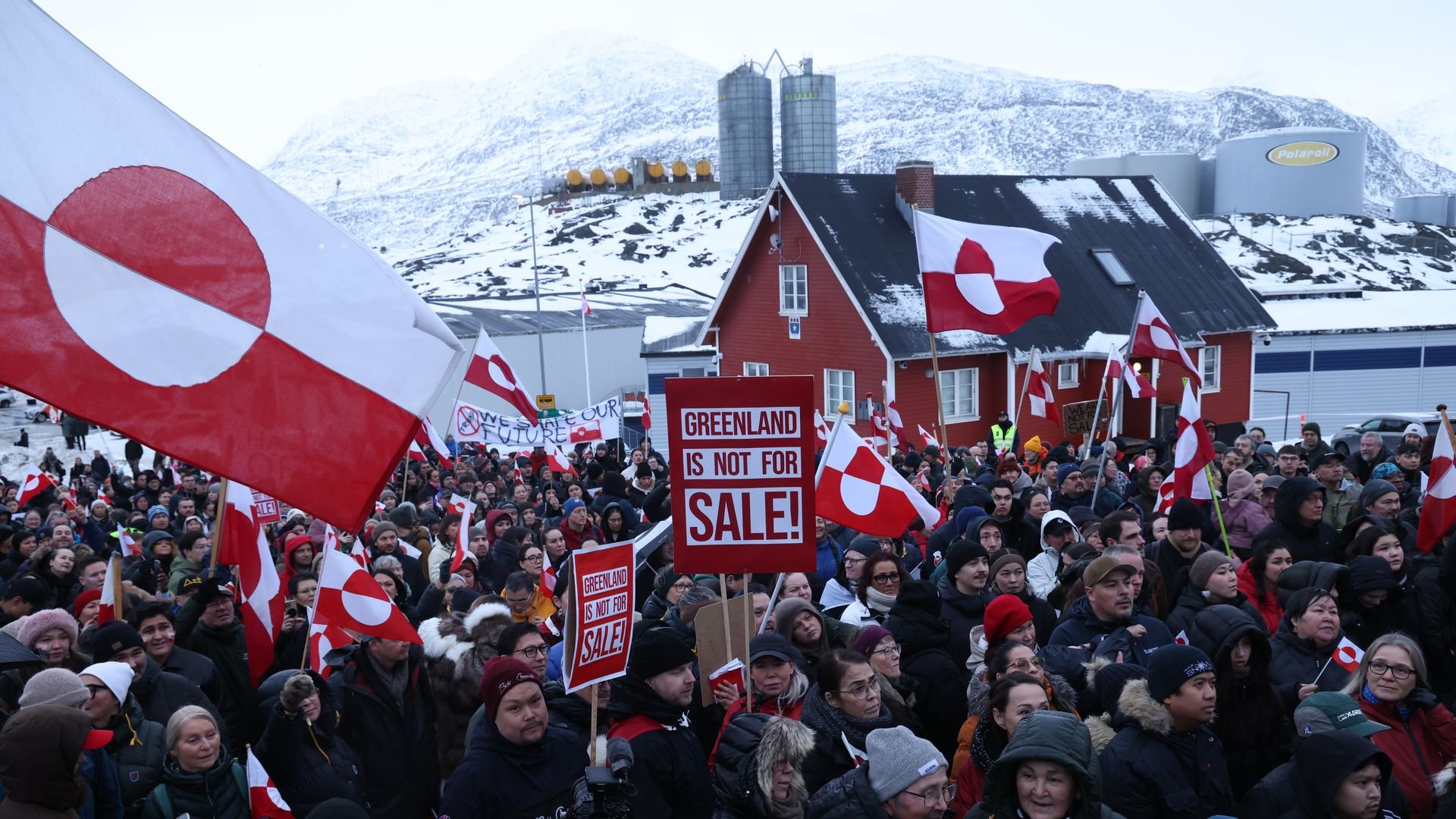
Greenlanders staged mass protests outside the U.S. consulate in Nuuk, waving banners reading 'Our Land, Our Choice' and 'No Sale.' Recent polling shows 89% of Greenland's 56,000 residents oppose territorial transfer. 'This isn't the 19th century,' said Inuit Ataqatigiit party leader Múte Bourup Egede. 'We decide our future through self-governance, not coercion.'
The tariffs carry significant geopolitical implications:
- Undermining NATO unity amid Arctic militarization
- Potential $18B annual cost to affected economies
- Strengthening China's Arctic diplomacy position
- Establishing precedent for using trade as territorial leverage
Commerce Department data indicates the tariffs could disrupt supply chains for U.S. manufacturers reliant on European components. The European Commission confirmed it will challenge the measures at the WTO while preparing retaliatory tariffs on American agricultural exports.
No timeline was given for tariff removal, with White House officials stating the penalties 'will intensify quarterly' until Denmark enters Greenland negotiations. With Denmark's general election approaching, analysts see minimal chance of policy reversal, setting the stage for prolonged transatlantic economic friction.
Comments
Please log in or register to join the discussion