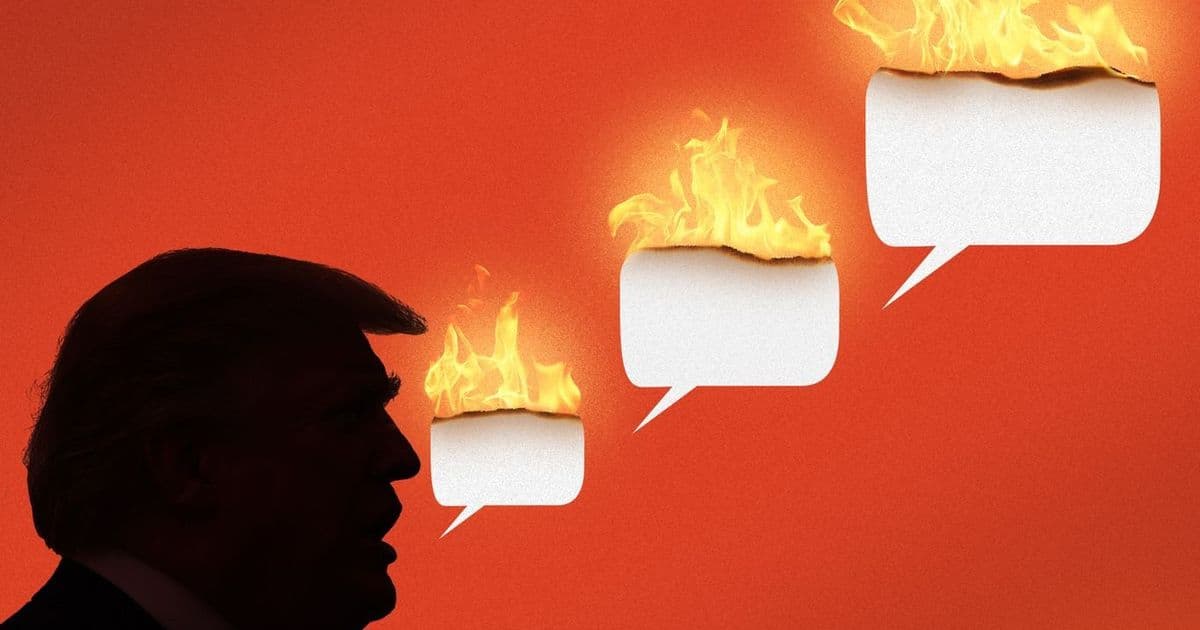
Former President Donald Trump has resurfaced controversial racist imagery and rhetoric that was previously considered politically disqualifying, marking a significant shift in American political discourse.
Former President Donald Trump has once again sparked controversy by reviving racist imagery and rhetoric that was once considered politically disqualifying, marking a significant shift in American political discourse.
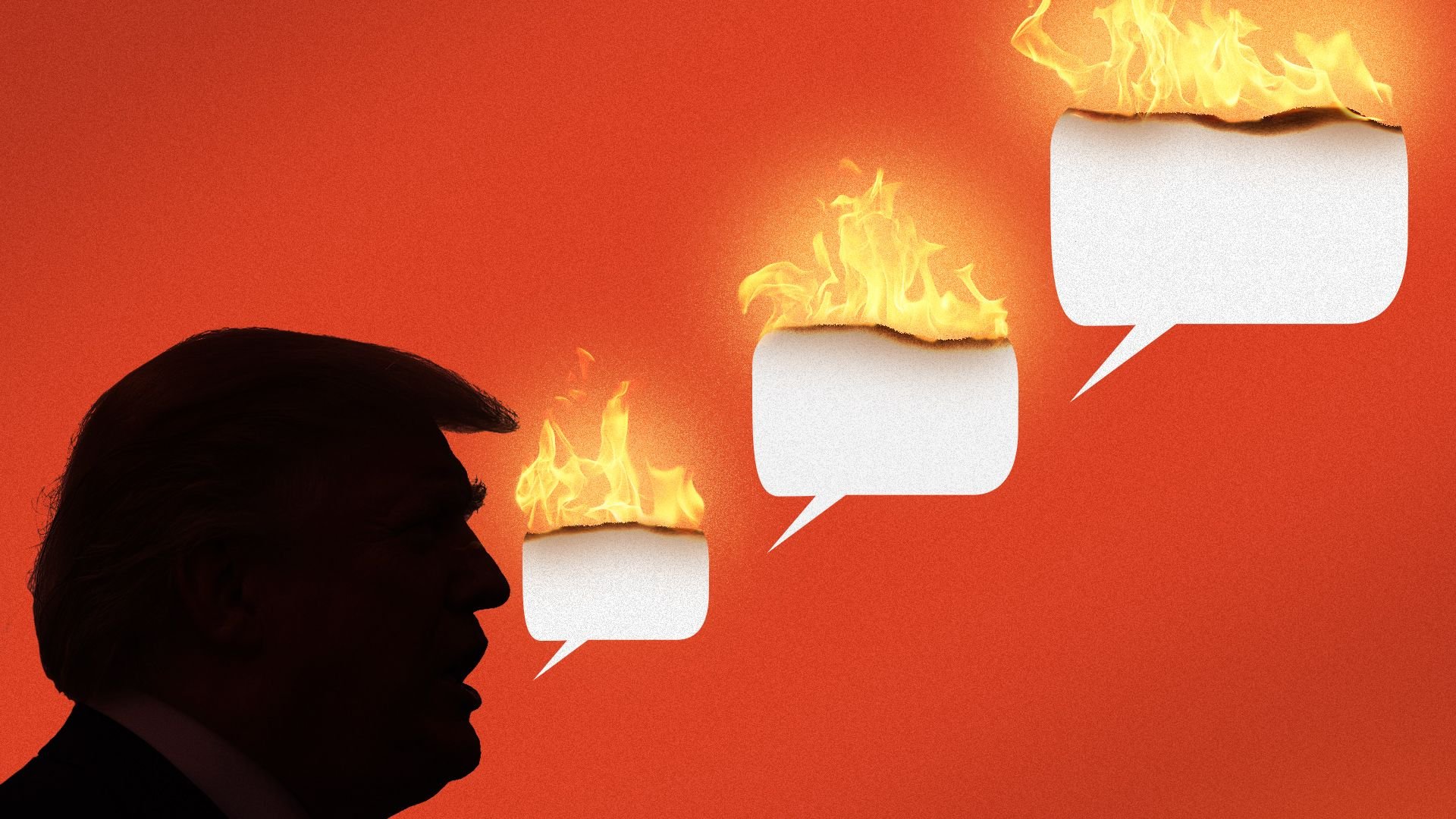
The resurgence of divisive rhetoric
Trump's recent statements and social media posts have included references to racist tropes and imagery that were largely abandoned by mainstream political figures following the civil rights movement. Political analysts note that this represents a deliberate strategy to energize his base while normalizing previously unacceptable forms of racial discourse.
Historical context
The imagery Trump has employed draws from a long history of racist stereotypes in American politics. These include references to dangerous urban environments, criminal stereotypes about minority communities, and coded language about immigration that echoes nativist movements of the past century.
Political historians point out that such rhetoric was largely abandoned by major party candidates after the 1960s, when explicit appeals to racial prejudice became politically toxic. The shift toward what became known as "dog whistle" politics in subsequent decades involved more subtle appeals to racial resentment without explicit racist language.
Changing political landscape
Trump's willingness to employ this rhetoric reflects broader changes in the American political landscape. His 2016 campaign broke many of the established norms of political discourse, and his continued influence on the Republican Party has shifted what is considered acceptable in mainstream conservative politics.
Political scientists note that Trump's approach has created a new dynamic where previously disqualifying rhetoric is now seen by many Republican voters as a feature rather than a bug. This has forced other Republican candidates to either embrace similar rhetoric or risk alienating the party's base.
Media response and public reaction
The mainstream media's response to Trump's rhetoric has been mixed, with some outlets providing extensive fact-checking and context while others have amplified his messages without sufficient scrutiny. Social media platforms have struggled to balance free speech concerns with the need to prevent the spread of harmful stereotypes.
Public opinion polls suggest that Trump's base remains largely supportive of his rhetoric, viewing it as a refreshing departure from political correctness. However, polls also show that a majority of Americans, including many Republicans, remain uncomfortable with explicit appeals to racial division.
Implications for future elections
Political strategists across the spectrum are grappling with the implications of Trump's approach for future elections. Some Democrats see an opportunity to mobilize minority voters and moderate suburbanites who are repelled by explicit racial appeals. Meanwhile, some Republicans worry that Trump's rhetoric could alienate crucial swing voters in key battleground states.
The normalization of previously disqualifying rhetoric raises questions about the future of American political discourse. If Trump's approach becomes the new normal, it could fundamentally alter the boundaries of acceptable political speech and reshape the American political landscape for years to come.
Expert analysis
Political scientists and communication experts have noted that Trump's rhetoric represents a calculated gamble. By abandoning the subtle "dog whistles" of previous Republican campaigns in favor of more explicit appeals, Trump is betting that the political costs of such rhetoric have diminished sufficiently to make it a viable strategy.
This approach has already had ripple effects throughout the Republican Party, with many candidates adopting similar rhetoric in their own campaigns. The long-term consequences of this shift remain to be seen, but many experts warn that it could lead to further polarization and erosion of democratic norms.
Looking ahead
As the 2024 election cycle approaches, Trump's revival of racist imagery and rhetoric is likely to remain a central issue in American politics. The question of whether such rhetoric will continue to be normalized or whether there will be a backlash against it could determine the future direction of both major political parties and the country as a whole.
The controversy surrounding Trump's rhetoric also raises broader questions about the role of race in American politics and society. As the country becomes increasingly diverse, the political consequences of explicit racial appeals may shift, potentially making such rhetoric less effective over time.
For now, Trump's willingness to revive racist imagery once seen as disqualifying represents a significant moment in American political history, one that will likely be studied and debated for years to come.
Comments
Please log in or register to join the discussion