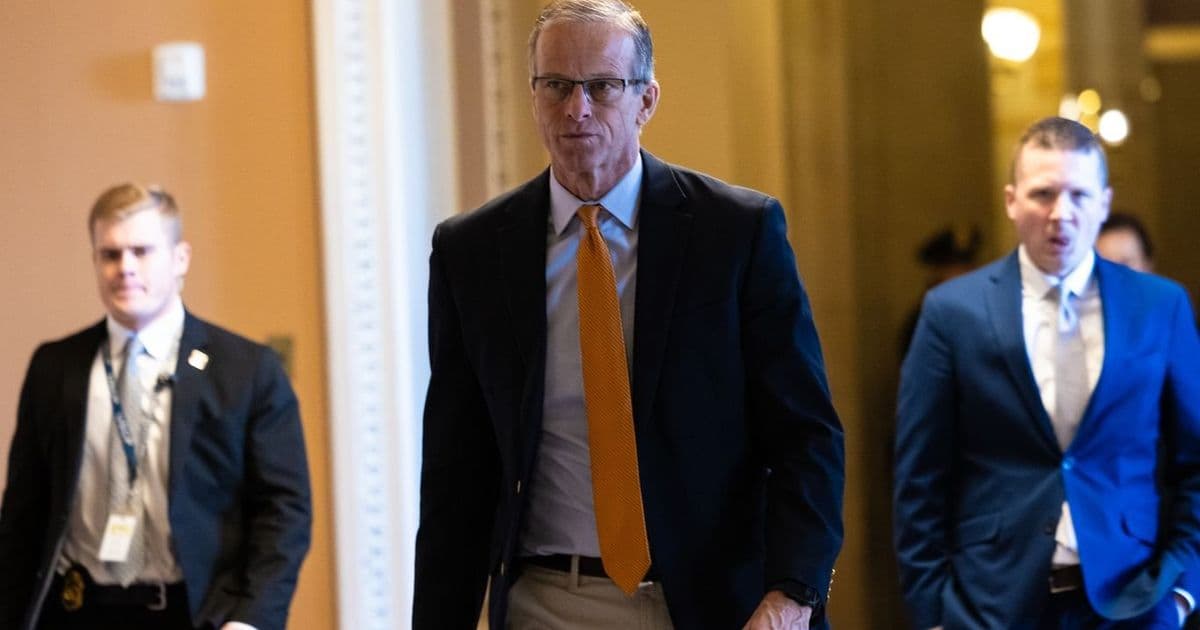
Former President Trump's unilateral endorsements in key Senate races are overriding the National Republican Senatorial Committee's strategic priorities, creating internal party friction and potentially altering the political landscape for tech policy legislation.
Former President Donald Trump's recent string of Senate endorsements has bypassed the traditional consultation process with Senate Republican leadership, creating a significant shift in how the party approaches critical 2024 races. The National Republican Senatorial Committee (NRSC), chaired by Senator Steve Daines, typically coordinates with party leadership on candidate recruitment and endorsements to maximize electoral success. Trump's direct intervention in races like Ohio, Montana, and West Virginia represents a departure from this collaborative model.
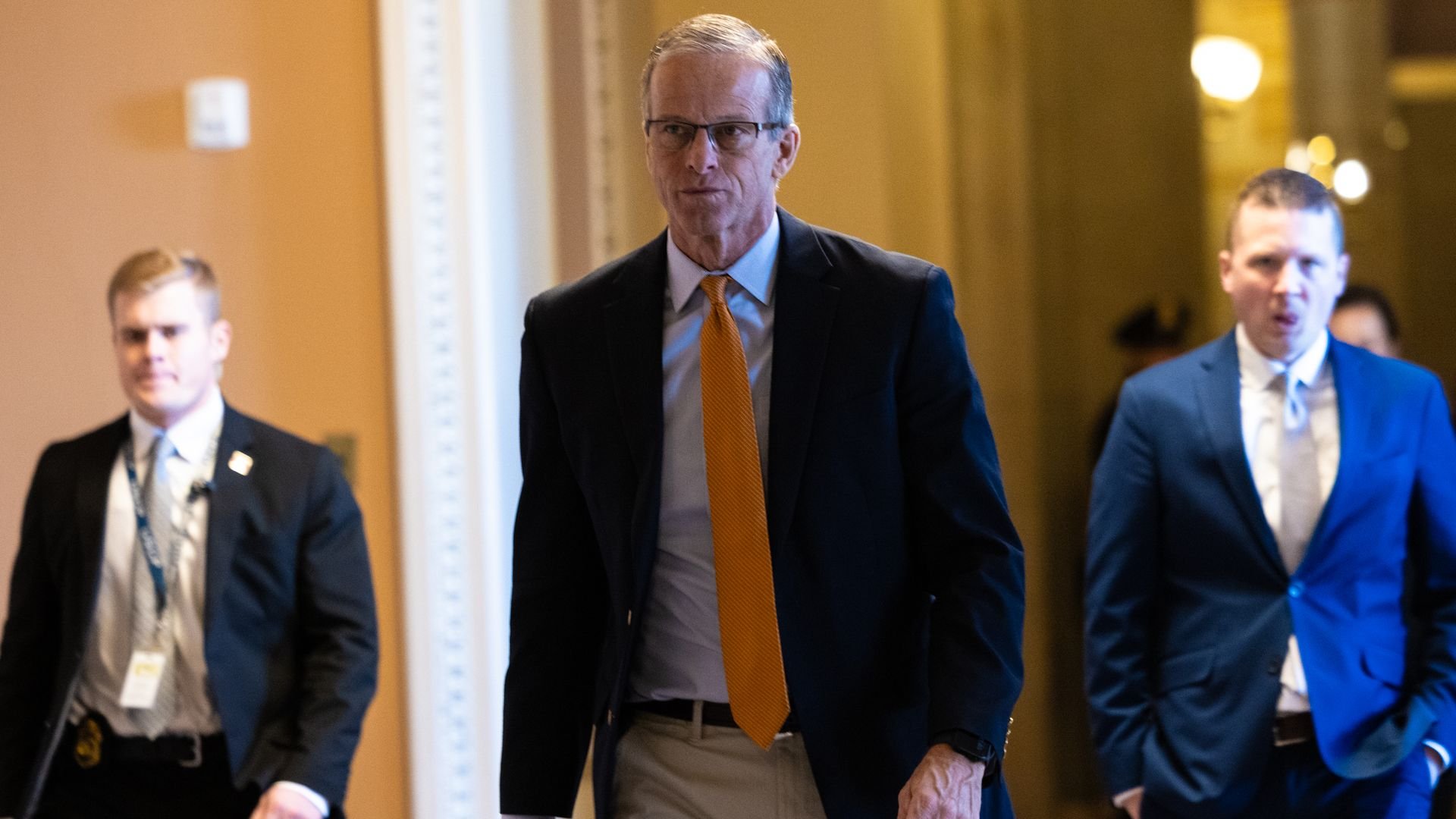
The strategic implications extend beyond electoral politics into legislative outcomes. Senate Majority Leader John Thune and his leadership team have cultivated relationships with moderate Republicans who could be pivotal in future tech legislation, including semiconductor funding, AI regulation, and digital privacy frameworks. Trump's endorsements often favor candidates with stronger populist positions on trade and immigration, potentially shifting the party's center of gravity away from the pro-business, tech-friendly stance that has characterized recent Senate Republican leadership.
Financial figures from the 2022 midterms illustrate the stakes. The NRSC raised $230 million while spending $170 million, focusing resources on races deemed winnable based on candidate viability and polling data. Trump's endorsements, however, can trigger significant grassroots fundraising from his base, independent of NRSC allocation. In Ohio's Senate race, for example, Trump-backed candidate Bernie Moreno has raised substantial sums from small-dollar donors, though his general election prospects against Democrat Sherrod Brown remain uncertain according to Cook Political Report ratings.
The market context for tech policy becomes more complex when considering these dynamics. Legislation like the CHIPS Act implementation, AI safety frameworks, and data privacy bills require bipartisan support. Senators who prioritize alignment with Trump's agenda may be less inclined to compromise on issues where tech companies seek regulatory clarity. The semiconductor industry, which secured $52 billion in CHIPS funding, relies on stable, predictable policy environments that could be disrupted by shifting partisan priorities.
What this means for tech policy is a potential recalibration of legislative strategy. Senate leadership may need to navigate a more fragmented Republican conference when advancing tech-related bills. The House's Republican majority already shows similar fractures, with different factions pushing varying approaches to tech regulation. This could lead to legislative gridlock on critical issues like AI governance or platform accountability, where industry stakeholders seek clear guidelines.
The NRSC's traditional role of vetting candidates for electability and policy alignment is being challenged by Trump's direct intervention. This creates a scenario where the party's national committee and its Senate leadership may be working at cross-purposes, with resources potentially diverted to races that leadership views as lower priority. For the tech sector, this means engaging with a more complex political landscape where policy outcomes depend less on institutional party priorities and more on individual senator relationships with the former president.
Looking ahead, the 2024 Senate map includes several races where Trump's endorsement could prove decisive. In Montana, Senator Jon Tester faces a tough re-election in a state Trump won by 16 points in 2020. The Republican primary features multiple candidates seeking Trump's backing, which could determine who faces Tester in the general election. The outcome will affect the balance of power in the Senate, directly impacting the legislative agenda for technology and innovation policy.
The financial markets have taken note of this political uncertainty. Tech sector stocks have shown sensitivity to regulatory news, and the prospect of a more populist Senate could influence investor sentiment toward companies in sectors like social media, e-commerce, and digital services. The VIX, often called the "fear index," has shown elevated levels during periods of political uncertainty, reflecting market participants' concerns about policy volatility.
Ultimately, Trump's bypassing of Senate Republican leaders represents more than internal party friction—it signals a potential realignment of how tech policy gets made in Washington. The traditional channels of influence, where industry associations and committee chairs shape legislation, may become less effective if individual senators' primary allegiance shifts to populist movements rather than institutional party priorities. For tech companies, this means adapting their government relations strategies to account for a more decentralized and unpredictable political environment.
The NRSC has not publicly commented on Trump's endorsements, but privately, leadership sources indicate concern about resource allocation and candidate quality. The committee's mandate is to win Senate majorities, and while Trump's endorsements can energize bases, they also carry risks in general elections, particularly in swing states. The 2024 election will test whether Trump's endorsement strategy can deliver a Senate majority or whether it will create challenges for the party's broader legislative goals, including those affecting the technology sector.
Comments
Please log in or register to join the discussion