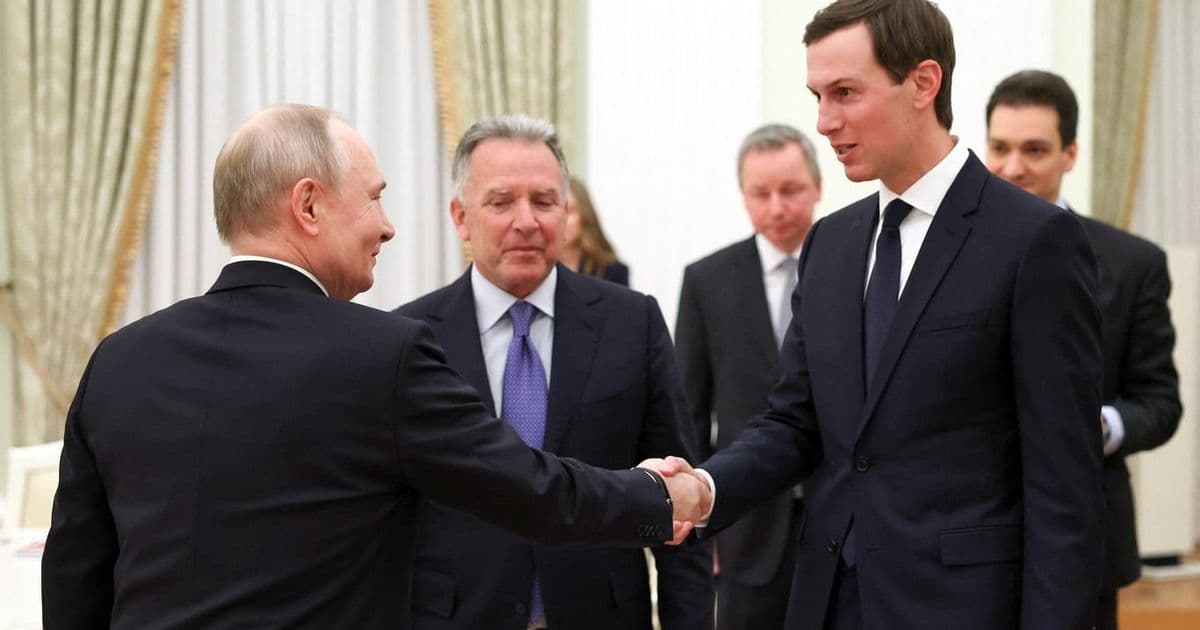
Former President Donald Trump's senior advisors Jared Kushner and Steve Witkoff held a four-hour meeting with Russian President Vladimir Putin in Moscow, signaling a potential shift in U.S.-Russia relations ahead of the 2024 election.
Former President Donald Trump's senior advisors Jared Kushner and Steve Witkoff held a four-hour meeting with Russian President Vladimir Putin in Moscow, signaling a potential shift in U.S.-Russia relations ahead of the 2024 election.
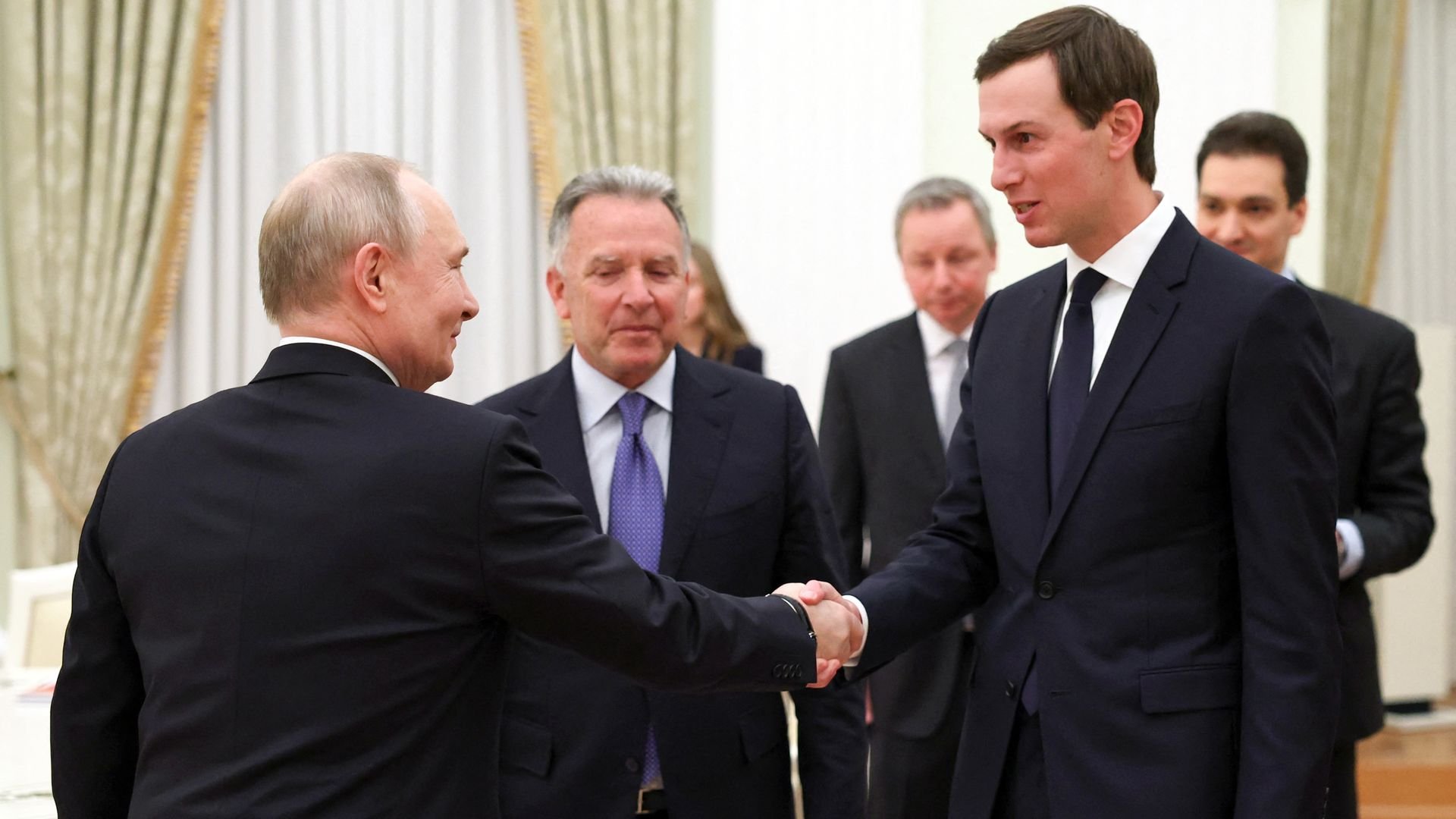
The meeting, which took place at the Kremlin, represents one of the most direct diplomatic engagements between Trump's inner circle and the Russian leadership since the former president left office. Kushner, who served as Trump's senior advisor and son-in-law, and Witkoff, a longtime Trump associate and real estate developer, arrived in Moscow earlier this week for discussions that extended well beyond the typical diplomatic courtesy call.
Strategic Timing and Political Context
The four-hour duration suggests substantive discussions rather than ceremonial exchanges. This extended meeting format indicates that both sides were prepared to address complex issues, likely including the ongoing conflict in Ukraine, potential economic cooperation, and future diplomatic channels. The timing is particularly significant given the current geopolitical landscape and the approaching U.S. presidential election cycle.
Trump has consistently maintained that he could end the Ukraine conflict quickly if re-elected, a position that contrasts sharply with the Biden administration's approach of sustained military and financial support for Kyiv. The Moscow meeting could serve as a preliminary channel to explore what a Trump administration might offer in terms of concessions or diplomatic frameworks.
Kremlin's Calculated Engagement
From Moscow's perspective, engaging with Trump's representatives offers several potential advantages. It provides a direct line to a potential future U.S. administration without formal diplomatic recognition. It also allows Russia to gauge what concessions it might secure from a Trump presidency, potentially including reduced sanctions, recognition of territorial gains in Ukraine, or a more favorable European security arrangement.
The Kremlin's willingness to host such a lengthy meeting suggests that Putin views these discussions as potentially productive. Russian officials have previously expressed openness to negotiations but have consistently rejected preconditions that would require Russian withdrawal from occupied Ukrainian territories.
Domestic Political Implications
For Trump, the meeting serves multiple purposes. It reinforces his narrative that he maintains unique relationships with world leaders that could be leveraged for U.S. advantage. It also allows him to claim diplomatic activity while technically a private citizen, a position that has drawn criticism from opponents who argue it violates norms against private citizens conducting foreign policy.
The Biden administration has not officially commented on the meeting, though officials have previously warned against private citizens engaging in unauthorized diplomacy. State Department officials typically emphasize that only the sitting administration has the authority to negotiate on behalf of the United States.
Economic and Security Dimensions
Beyond the immediate Ukraine conflict, discussions likely touched on broader economic cooperation, particularly in energy markets and technology sectors. Russia's vast natural resources and Trump's historical focus on energy independence create potential alignment, though sanctions imposed since 2022 complicate any substantive economic agreements.
Security discussions may have included nuclear arms control, given Trump's previous engagement with Putin on this issue during his presidency. The New START treaty, which limits strategic nuclear weapons, is set to expire in 2026, creating urgency for future negotiations.
Diplomatic Precedents and Risks
The meeting follows a pattern of Trump maintaining personal relationships with authoritarian leaders, including North Korea's Kim Jong Un and China's Xi Jinping. While these relationships produced summits and photo opportunities, they yielded limited substantive agreements on core issues like denuclearization or trade imbalances.
The risks of such private diplomacy are significant. It could undermine the sitting administration's negotiating position, potentially emboldening adversaries who perceive U.S. divisions. It also raises questions about the Logan Act, which prohibits unauthorized citizens from negotiating with foreign governments on U.S. disputes, though enforcement has been rare historically.
International Reactions
European allies have expressed concern about potential shifts in U.S. policy toward Russia. NATO members, particularly those bordering Russia, view sustained U.S. support for Ukraine as critical to European security. Any indication that a future U.S. administration might reduce support could affect European defense planning and potentially encourage Russian aggression.
Ukrainian officials have not publicly commented on the meeting, though privately they likely view any Trump-Putin channel with apprehension. Kyiv has consistently argued that any peace settlement must include full territorial restoration and security guarantees, positions that Trump has not explicitly endorsed.
Looking Ahead
The Moscow meeting represents an early indicator of how Trump might approach Russia if re-elected. While campaign rhetoric often differs from governing reality, these private discussions provide a window into potential policy directions. The four-hour duration suggests that both sides see value in maintaining communication channels, regardless of the current administration's stance.
As the 2024 election approaches, such engagements will likely multiply, with Trump's team seeking to demonstrate foreign policy credentials while the Biden administration emphasizes the importance of unified American diplomacy. The ultimate impact of these meetings will depend on election outcomes and how both sides navigate the complex web of sanctions, military aid, and diplomatic recognition that currently defines U.S.-Russia relations.
Comments
Please log in or register to join the discussion