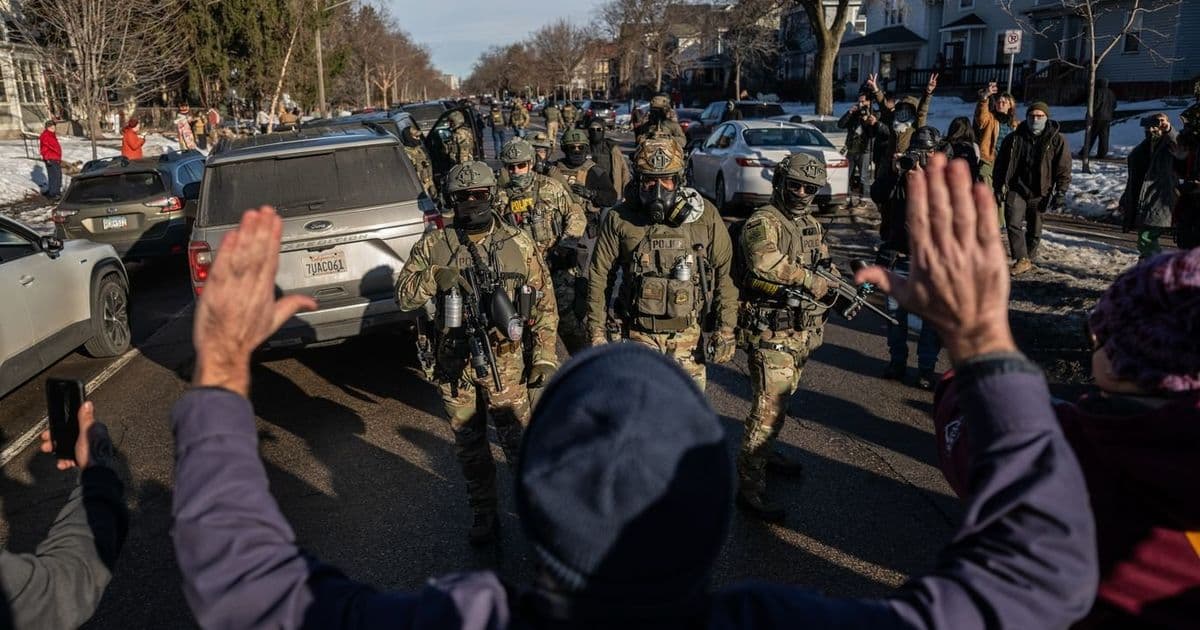
Former President Trump's renewed threats to invoke the Insurrection Act against Minnesota protests directly challenge the state's advanced law enforcement technology ecosystem, including predictive policing algorithms, drone surveillance networks, and real-time data fusion platforms that have become central to modern public safety operations.
Former President Donald Trump's threat to invoke the Insurrection Act in response to Minnesota's ICE protests represents more than political theater—it directly targets the technological infrastructure that has transformed modern law enforcement operations. The state's extensive network of surveillance technologies, predictive analytics systems, and real-time data integration platforms could face unprecedented federal intervention under the 1807 statute.
Minnesota has invested heavily in technology-driven policing solutions over the past decade. The Minneapolis Police Department alone operates a complex ecosystem of systems including ShotSpotter acoustic gunshot detection, license plate readers across major corridors, and integrated command center software that fuses data from multiple sources. The state's fusion center, part of the national network of intelligence-sharing hubs, processes real-time feeds from social media monitoring tools, traffic cameras, and emergency response systems. These technologies have become essential to daily operations, with the Minneapolis Police Department's Real-Time Crime Center processing over 2,000 data points daily during peak periods.
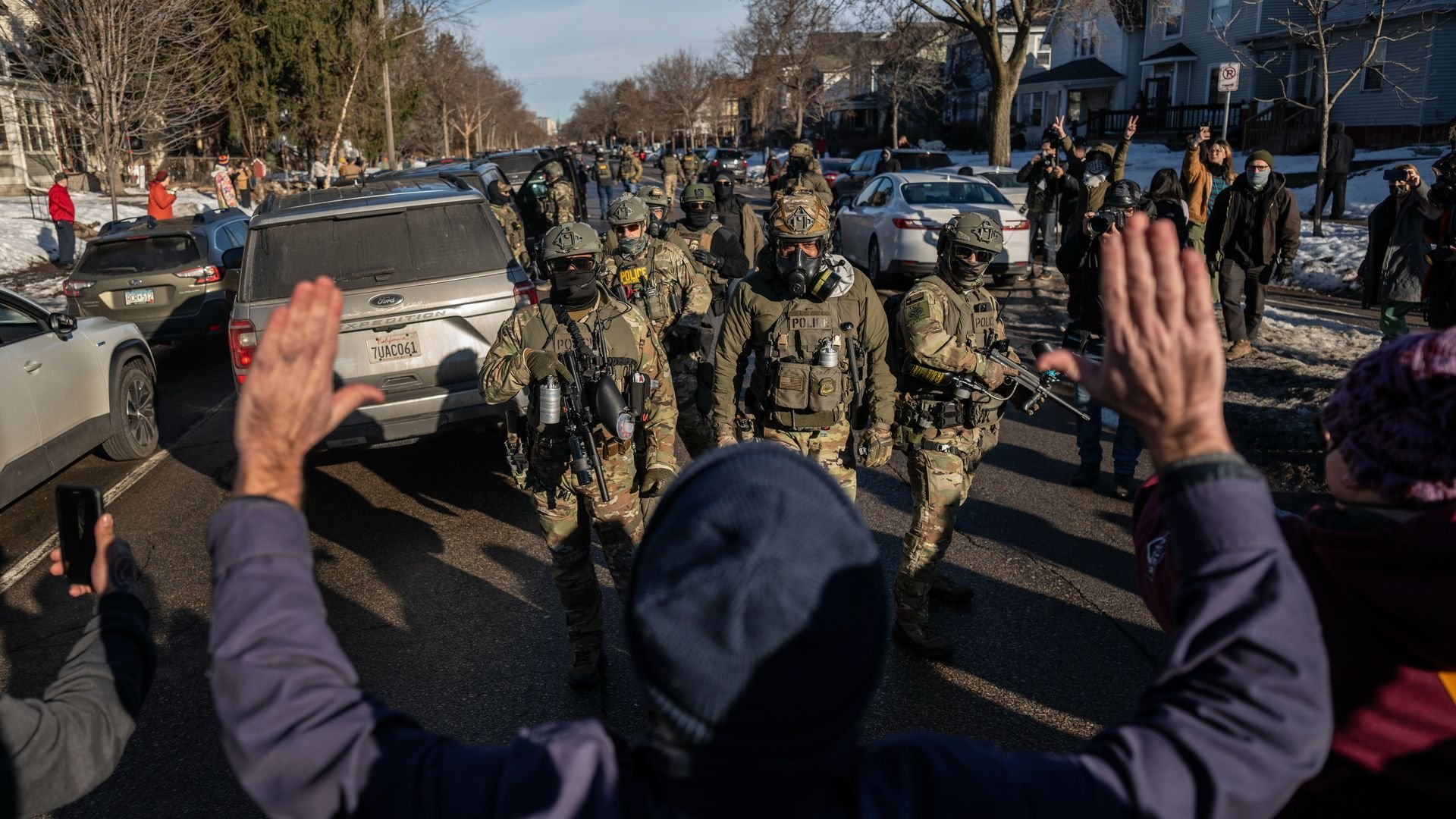
The Insurrection Act's unique authority would allow federal forces to assume control over these systems without state consent. Unlike standard federal assistance requests, invocation grants the President broad power to deploy military personnel and federal agents to "suppress insurrection"—a threshold that could be interpreted to include large-scale civil demonstrations. For Minnesota's law enforcement technology stack, this could mean federal agents accessing sensitive databases, overriding local command structures, and potentially disabling or repurposing surveillance systems.
The legal framework surrounding the Insurrection Act remains deliberately vague. The statute provides minimal guidance on what constitutes an "insurrection," leaving interpretation largely to the executive branch. Previous invocations occurred during the 1992 Los Angeles riots and the 1965 Selma to Montgomery marches, but modern applications would involve technologies that didn't exist during those events. Legal scholars note that federal control of local surveillance systems could raise Fourth Amendment concerns, particularly if federal agents access data collected under Minnesota's specific privacy guidelines.
Minnesota's technology infrastructure presents unique challenges for federal takeover. The state's law enforcement networks rely on vendor-specific platforms from companies like Palantir, ShotSpotter, and Axon. These systems require specialized training and have proprietary data formats. Federal agents unfamiliar with these platforms could face operational difficulties, potentially creating security gaps during the transition period. The state's fusion center uses IBM i2 Analyst's Notebook for data visualization, a tool requiring significant expertise to operate effectively.
The economic implications extend beyond law enforcement budgets. Minnesota's public safety technology sector employs approximately 15,000 people across software development, hardware manufacturing, and system integration roles. Companies like Axon (formerly Taser) maintain significant operations in the state, developing body cameras, evidence management software, and drone systems. Federal intervention could disrupt these commercial relationships, potentially affecting contracts worth hundreds of millions of dollars annually.
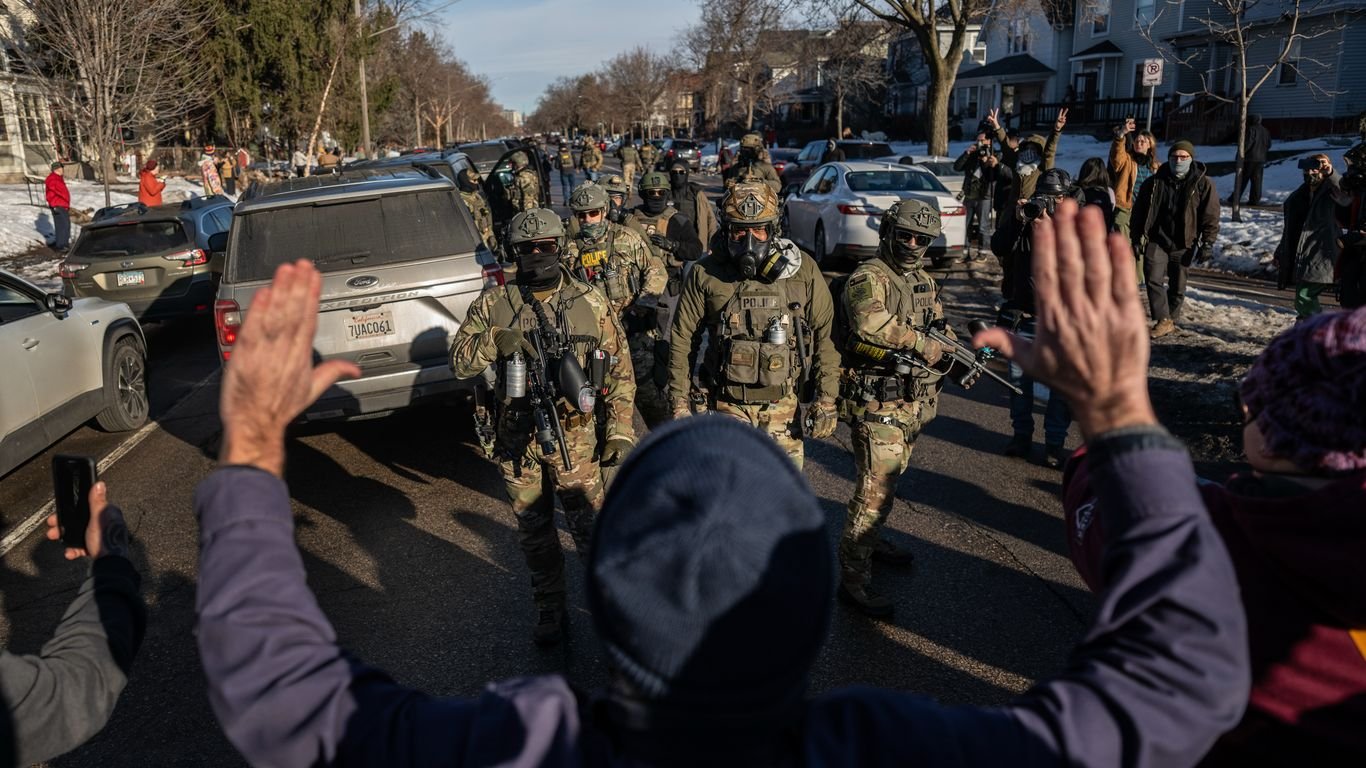
The protest context itself involves technology. Demonstrators opposing ICE operations have organized using encrypted messaging apps, drone photography for documentation, and live-streaming platforms to broadcast interactions with law enforcement. This creates a technological arms race where federal response might include jamming communications, disabling drones, or monitoring digital footprints—actions that could trigger additional legal challenges regarding free speech and assembly protections.
State officials have prepared contingency plans for potential federal intervention. Minnesota's Department of Public Safety maintains backup systems and offline capabilities for critical functions, though these represent a fraction of the integrated network's capabilities. The state's fusion center has practiced "go-dark" scenarios where federal authorities might seize control, but actual implementation would test the resilience of decentralized systems designed for collaboration rather than isolation.
The broader pattern shows increasing reliance on technology in civil unrest scenarios. During the 2020 George Floyd protests, Minneapolis deployed license plate readers, social media monitoring, and drone surveillance extensively. Federal intervention under the Insurrection Act could establish a precedent for nationalizing these systems during political disputes, potentially affecting how states develop and deploy public safety technology in the future.
For Minnesota's tech ecosystem, the threat represents a significant uncertainty. Venture capital investment in public safety technology has grown 40% annually since 2020, with Minnesota emerging as a hub for surveillance and analytics startups. Federal takeover could freeze development pipelines, affect research partnerships with universities like the University of Minnesota's Center for Criminal Justice Research, and alter the competitive landscape for vendors who have built their business models around state-level contracts.
The Insurrection Act's application would also test the limits of federalism in the digital age. States have traditionally maintained control over law enforcement operations, but modern technology creates interdependencies that make clean separation difficult. Minnesota's systems connect to national databases like the FBI's National Crime Information Center and the Department of Homeland Security's fusion center network, creating potential pathways for federal access even without formal invocation.
Ultimately, the threat highlights how technology has transformed civil unrest from localized events into complex, data-rich environments where control over information systems may prove as significant as physical control over streets. Minnesota's experience could set templates for how other states balance technological innovation, civil liberties, and federal authority in an era of increasing political polarization.
Comments
Please log in or register to join the discussion