Apple's new iPad Air packs M4 power and 12GB RAM, Qualcomm announces AI-powered Snapdragon W5+ Gen 1 for wearables, and Lenovo confirms ongoing Legion Go support despite earlier confusion.
The mobile tech world continues to evolve rapidly, with major announcements spanning tablets, wearables, and gaming handhelds. Here's what caught our attention this week.
Apple's iPad Air Gets M4 Treatment
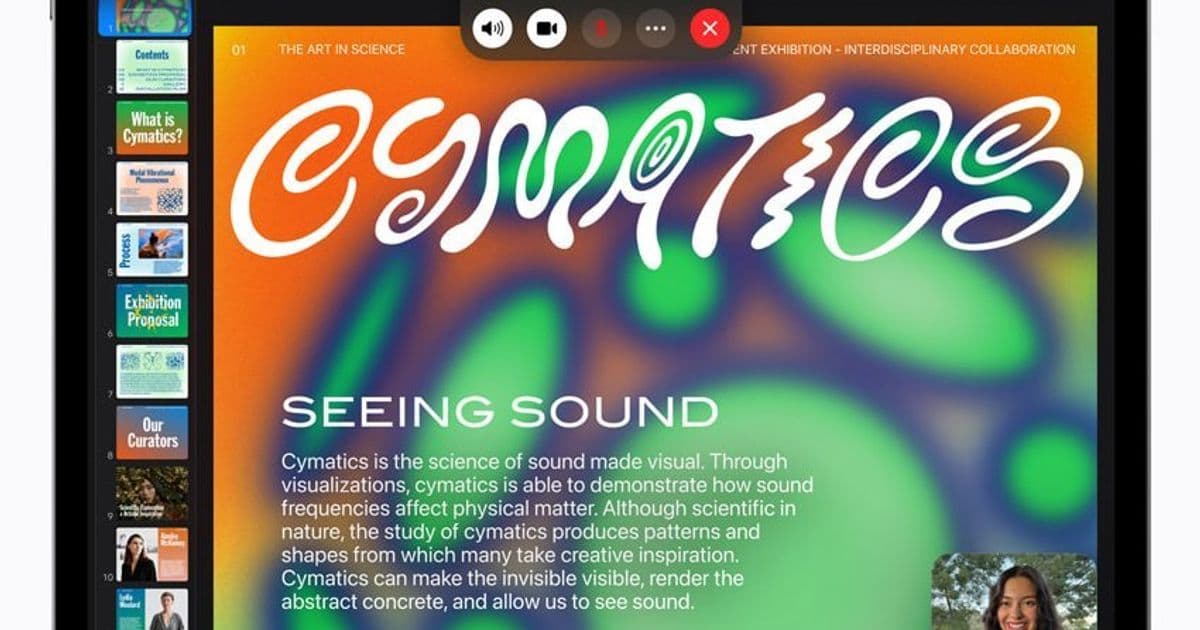
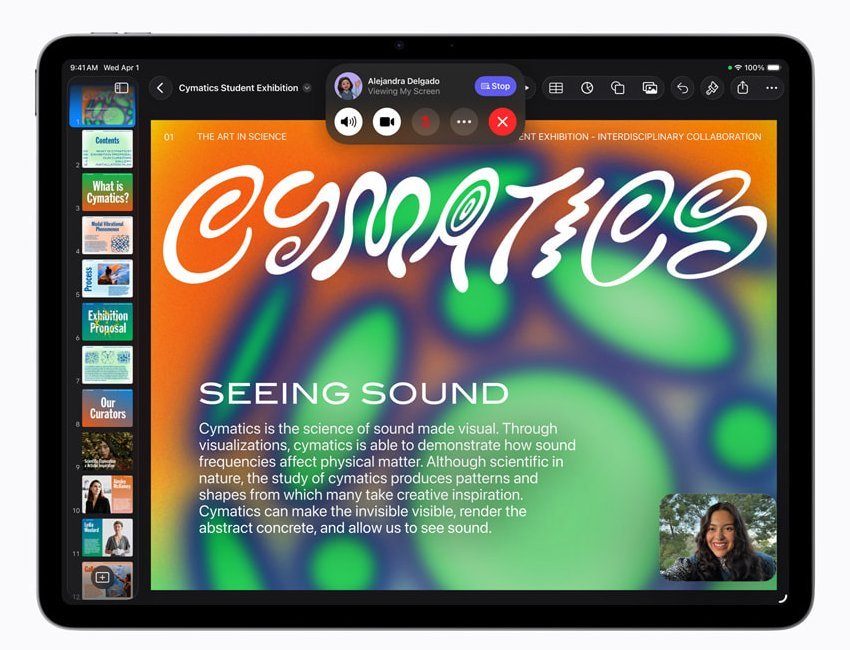
Apple has unveiled the latest iteration of its iPad Air lineup, and this time it's packing some serious silicon. The new iPad Air features Apple's M4 chip, marking a significant performance upgrade from the previous M1-powered model. What's particularly interesting is the inclusion of 12GB of RAM across all configurations, a notable increase that suggests Apple is positioning the iPad Air as a more capable productivity machine.
The M4 chip brings enhanced CPU and GPU performance, improved machine learning capabilities, and better power efficiency. For creative professionals and power users who found the standard iPad too limiting but didn't want to jump to the iPad Pro, this M4-equipped Air might hit the sweet spot. The device also supports Apple's new Apple Pencil Pro and features an upgraded 12MP ultra-wide front camera with Center Stage for video calls.
Qualcomm's Wearable AI Push
Qualcomm is making a bold move in the wearable space with its new Snapdragon W5+ Gen 1 platform. The chip maker is emphasizing on-device AI capabilities, promising features like health monitoring, voice assistants, and predictive analytics that can run locally without constant cloud connectivity. This approach addresses privacy concerns while potentially offering faster response times for AI-powered features.
The platform also includes support for 5G connectivity and, looking further ahead, Qualcomm is already teasing 6G capabilities. While 6G networks are still years away from commercial deployment, the forward-looking design suggests Qualcomm wants its wearable chips to remain relevant through multiple network generations. The company claims the new platform offers up to 50% better performance and 2x improved power efficiency compared to its predecessor.
Lenovo Clarifies Legion Go Support
In gaming handheld news, Lenovo has addressed confusion about the future of its Legion Go device. Earlier reports suggested the company might be scaling back support, but Lenovo has since clarified that development and updates for the Legion Go are continuing. The handheld, which competes with devices like the Steam Deck and ROG Ally, runs Windows 11 and offers a unique detachable controller design.
Lenovo's statement comes after community concerns about software updates and driver support. The company emphasized its commitment to the gaming handheld market and promised ongoing improvements to the Legion Space software ecosystem. This clarification should reassure early adopters and potential buyers who were hesitant due to the earlier uncertainty.
The Bigger Picture
These developments highlight several trends in mobile computing. First, the convergence of tablet and laptop capabilities continues, with Apple's iPad Air blurring the lines further through its M4 chip and increased memory. Second, AI is becoming a central selling point even in smaller devices like wearables, with companies betting that on-device processing will be a key differentiator. Finally, the gaming handheld market is maturing, with established PC manufacturers like Lenovo committing to long-term support rather than treating these devices as experimental products.
For developers, these announcements signal evolving requirements. The iPad Air's increased capabilities might encourage more professional-grade app development, while Qualcomm's AI-focused wearable platform could drive demand for optimized machine learning models that run efficiently on constrained hardware. Gaming handheld support, meanwhile, reinforces Windows 11 as a viable platform for portable gaming beyond traditional consoles.
The mobile tech landscape remains dynamic, with each major player pushing boundaries in their respective domains. Whether you're a creative professional eyeing the new iPad Air, a developer exploring wearable AI opportunities, or a gamer invested in the handheld ecosystem, there's plenty to watch in the coming months as these technologies mature and compete.
What are your thoughts on these developments? Are you excited about the M4 iPad Air, curious about AI wearables, or invested in the gaming handheld space? Let us know in the comments below.
Comments
Please log in or register to join the discussion