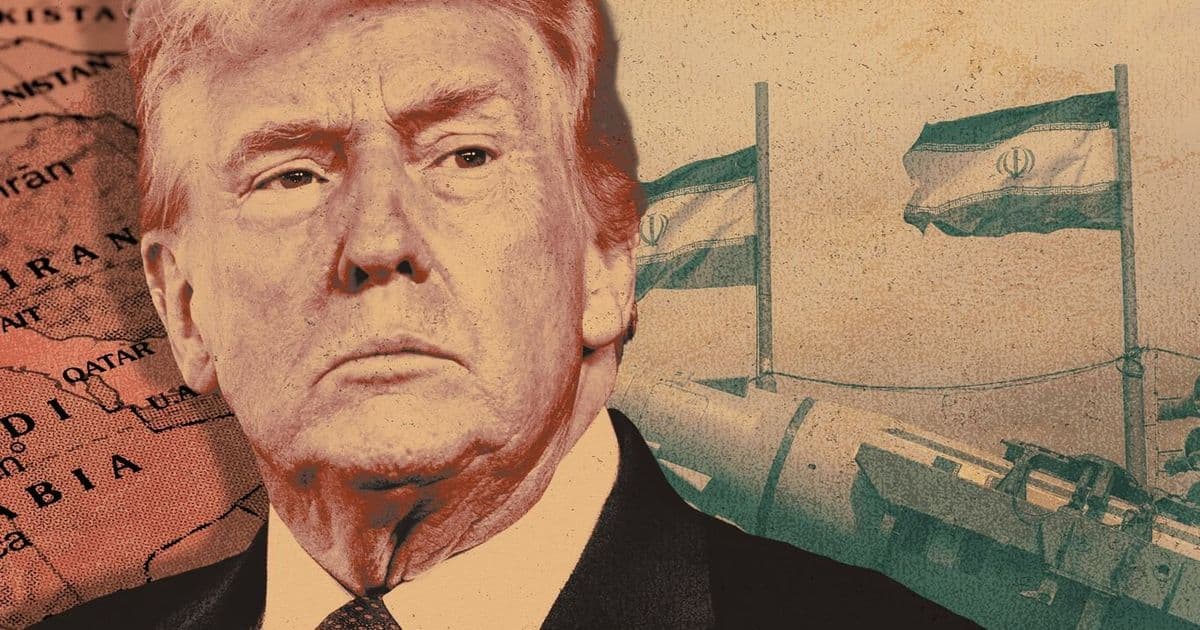
Trump's approach to Iran represents a calculated economic and diplomatic strategy that diverges sharply from military interventions in Iraq and Venezuela, focusing on sanctions and internal pressure rather than direct regime overthrow.
President Trump's approach to Iran represents a significant departure from previous U.S. regime change efforts in Iraq and Venezuela, marking a shift toward economic warfare and diplomatic isolation rather than military intervention.
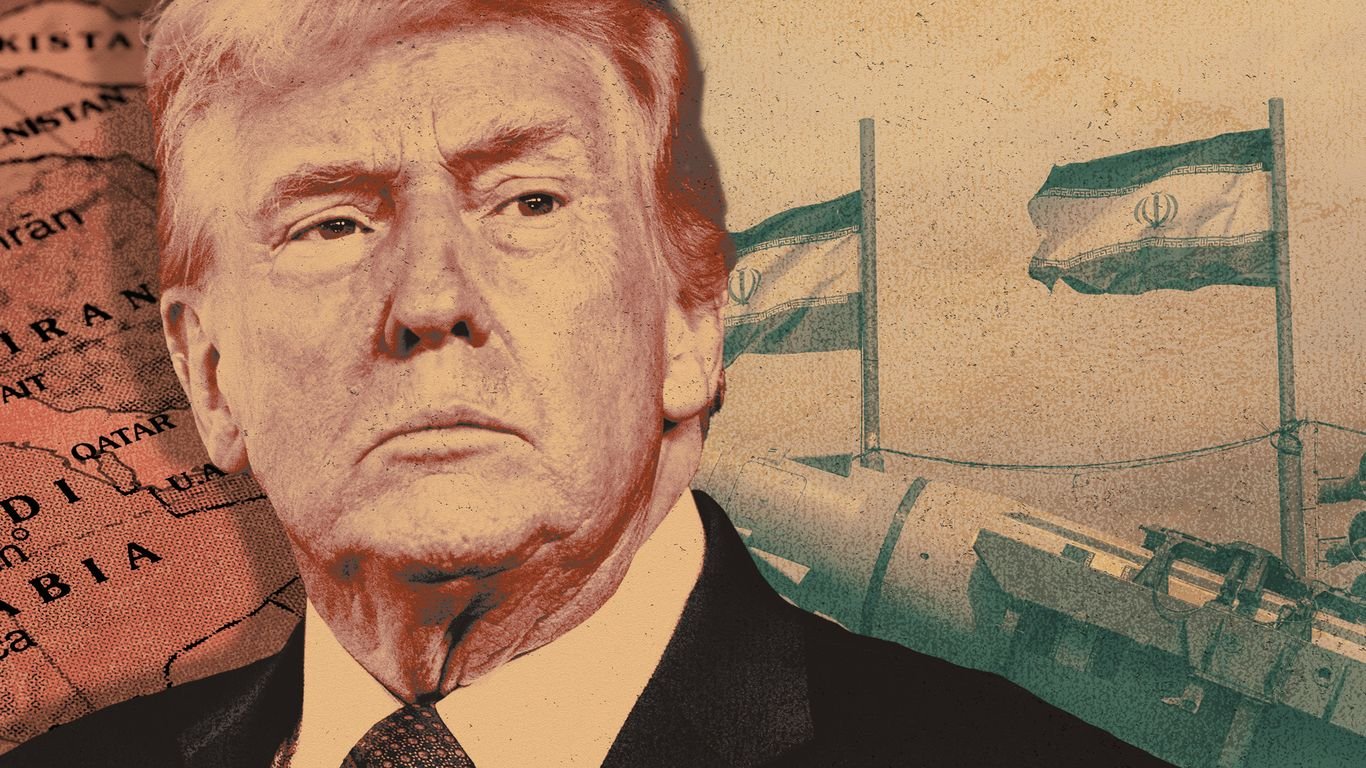
Unlike the 2003 invasion of Iraq that cost over $2 trillion and thousands of American lives, or the failed 2019 coup attempt in Venezuela that collapsed within days, Trump's Iran strategy relies on maximum economic pressure through sanctions that have reduced Iranian oil exports from 2.5 million barrels per day in 2018 to approximately 200,000 barrels today.
The administration has implemented what officials describe as a "maximum pressure campaign" targeting Iran's oil exports, banking system, and key industries. These sanctions have cost Iran an estimated $50 billion in lost oil revenue annually while triggering inflation rates exceeding 40% and unemployment above 12%.
This economic approach differs fundamentally from previous regime change attempts. The Iraq War involved deploying over 150,000 U.S. troops and resulted in approximately 4,500 American military deaths. The Venezuelan effort relied on supporting opposition leader Juan Guaidó's claim to the presidency, which failed when the military remained loyal to Nicolas Maduro.
Trump's Iran strategy instead aims to exploit internal divisions and economic hardship to pressure the regime from within. The administration has supported sporadic protests while maintaining that any transition must come from the Iranian people themselves rather than external military force.
However, this approach carries its own risks. Iran has responded by accelerating its nuclear program, enriching uranium to 60% purity—closer to weapons-grade material—and conducting attacks through proxy forces across the Middle East. The country has also deepened military cooperation with Russia, providing drones for use in Ukraine.
Regional allies remain divided on the strategy. While Saudi Arabia and the UAE have cautiously supported pressure on Iran, they've also pursued direct negotiations with Tehran to reduce tensions. European allies have largely opposed the sanctions regime, maintaining the 2015 nuclear deal that Trump withdrew from in 2018.
The economic warfare approach reflects lessons learned from past failures. Military interventions in Iraq and Libya created power vacuums that led to prolonged instability. The Venezuelan coup attempt demonstrated the limits of external support without domestic momentum.
Yet questions persist about whether economic pressure alone can achieve regime change. Iran's leadership has shown remarkable resilience, redirecting resources to maintain control while blaming external forces for domestic hardships. The country's vast security apparatus and network of regional proxies provide tools for both internal repression and external leverage.
As the strategy continues, the administration faces a critical question: Can economic isolation and diplomatic pressure succeed where military force and political subversion have failed? The answer may determine whether this approach represents a smarter evolution in U.S. foreign policy or simply a different path to the same uncertain destination.
Comments
Please log in or register to join the discussion