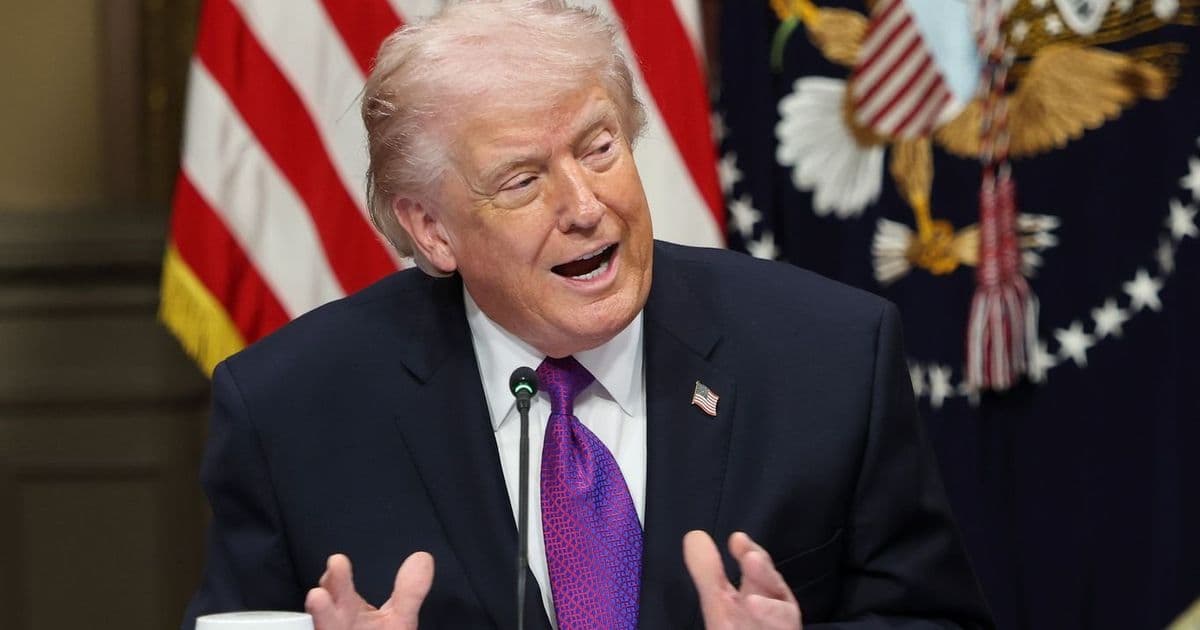
President Trump has quietly reassigned several senior officials to different roles instead of terminating them, a strategy that maintains institutional knowledge while reshaping leadership.
President Trump has quietly reassigned several senior officials to different roles instead of terminating them, a strategy that maintains institutional knowledge while reshaping leadership.
The Strategy Behind the Moves
Rather than the dramatic firings that have characterized previous administrations, Trump has opted for a more nuanced approach to personnel changes. This method allows the administration to maintain continuity in critical departments while still implementing its policy vision.
Sources familiar with the internal discussions indicate that the strategy serves multiple purposes:
- Preserves institutional knowledge within key agencies
- Avoids the public relations fallout of mass terminations
- Provides flexibility for future role adjustments
- Maintains relationships with career civil servants
Notable Reassignments
Several high-profile officials have been moved to different positions within their respective departments:
- Department of Defense: Three senior advisors were reassigned to policy development roles rather than being dismissed outright
- Department of State: Multiple foreign service officers received new postings to different regions
- Department of Homeland Security: Several regional directors were moved to headquarters positions
The financial implications of these moves are significant. By retaining experienced personnel, the administration avoids the costs associated with hiring and training replacements, which can run into millions of dollars per position when accounting for security clearances and specialized knowledge requirements.
Market Context
This approach contrasts sharply with the more aggressive personnel changes seen during Trump's first term. Market analysts have noted that this gentler transition has contributed to relative stability in government-adjacent sectors, with defense contractors and technology firms that work with federal agencies experiencing less volatility than during previous major personnel shakeups.
The strategy also aligns with broader trends in corporate governance, where companies increasingly favor internal mobility over external hiring for senior positions. This approach has been shown to reduce turnover costs by up to 33% while maintaining organizational knowledge.
What It Means
The "soft landing" approach suggests a more calculated strategy for implementing policy changes without disrupting the day-to-day operations of federal agencies. For technology and defense sectors that rely heavily on government contracts, this stability could translate to more predictable business environments.
However, some critics argue that this approach may create confusion about the administration's actual policy direction, as reassigned officials may continue to advocate for their previous positions from new roles. The long-term effectiveness of this strategy remains to be seen, particularly as the administration moves into more contentious policy areas.
The personnel moves come at a time when federal agencies are already facing budget constraints and increased scrutiny over their operations. By avoiding mass terminations, the administration may be positioning itself to more effectively manage these challenges while still achieving its policy objectives.
The approach represents a significant shift in how presidential administrations handle personnel changes, potentially setting a new precedent for future transitions of power.
Comments
Please log in or register to join the discussion