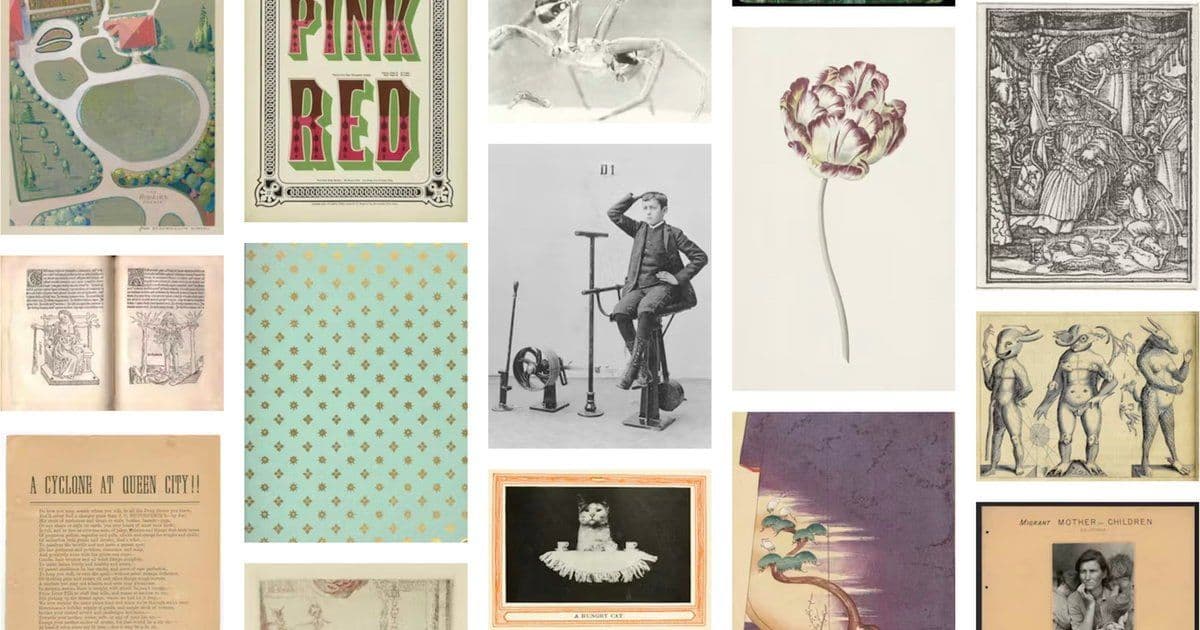
A comprehensive digital archive makes over 11,000 public domain images freely available for download and reuse, reflecting growing efforts to democratize access to cultural heritage in the digital age.
The digital preservation of cultural heritage continues to gain momentum with the launch of a comprehensive public domain image archive, offering over 11,000 out-of-copyright works for unrestricted use. This initiative represents a significant step in making historical visual art accessible to creators, educators, and the general public without the traditional barriers of copyright restrictions.
The archive, which is updated weekly with new additions, provides an impressive range of artistic works spanning different centuries, styles, and themes. Users can browse the collection through multiple organizational methods, including by artist, historical period, artistic style, subject matter, or custom tags. This multi-faceted approach to categorization demonstrates a thoughtful consideration of how different users might approach searching for historical visual materials.
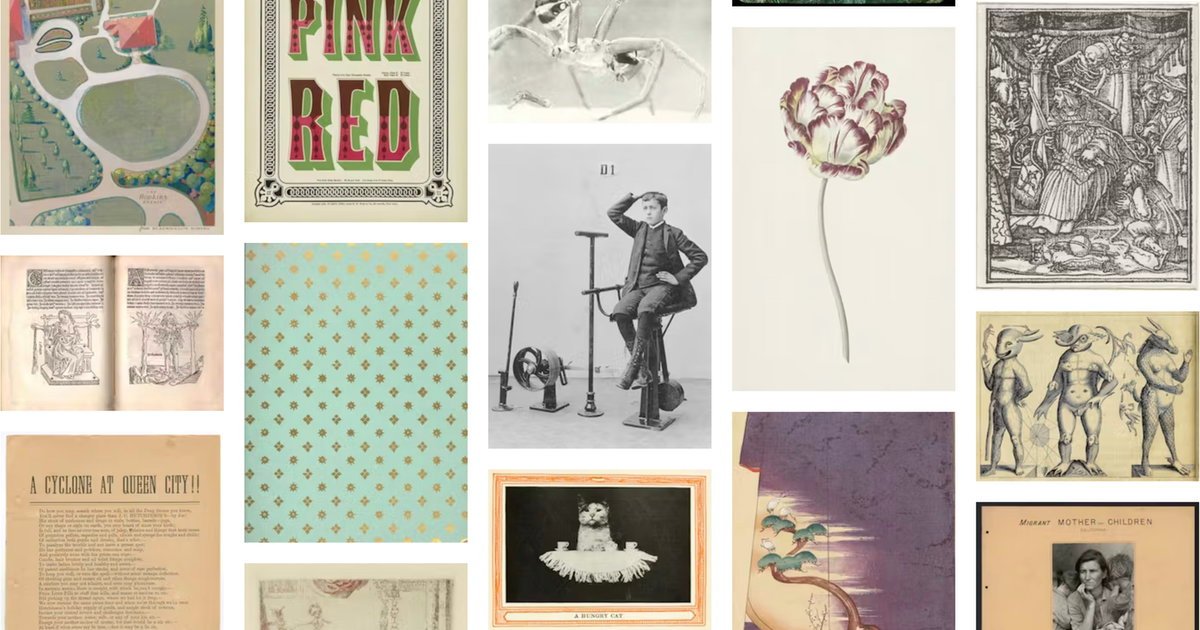
Digital archives of public domain content have been proliferating in recent years, reflecting both technological capabilities and shifting attitudes toward cultural access. This particular collection stands out for its size and curation, suggesting a dedicated effort to digitize and preserve significant works that might otherwise remain hidden in physical archives or private collections.
The availability of such resources has been particularly valuable for digital creators, educators, and small institutions with limited budgets for visual materials. Teachers developing lesson plans, independent designers creating commercial products, and artists seeking inspiration have all benefited from the growing ecosystem of freely available cultural content.
However, the initiative is not without its challenges. The sheer volume of digital content can create discoverability issues, even with robust categorization systems. Some critics argue that without proper contextualization, historical images may be misinterpreted or used in ways that disregard their original cultural significance.
Additionally, the technical infrastructure required to maintain such a large digital archive presents ongoing challenges. Issues of image quality consistency, metadata accuracy, and long-term preservation require continuous attention and resources that may not be sustainable indefinitely without institutional support or alternative funding models.
The archive's creators have positioned it as "a living database," suggesting an understanding that digital cultural resources require ongoing maintenance and curation. This approach contrasts with static digital collections that, while valuable, may become outdated as technology standards evolve or as new research provides additional context for historical works.
From a legal perspective, the archive operates on solid ground by focusing on works that are definitively in the public domain. Nevertheless, the question of what constitutes public domain status remains complex across different jurisdictions, particularly as copyright laws continue to evolve internationally.
The broader significance of this initiative lies in its contribution to the growing movement toward open access to cultural heritage. By providing high-quality digital reproductions of historical works, archives like this one enable new forms of creative expression and educational engagement that would be impossible under traditional copyright regimes.
As digital technology continues to evolve, we can expect to see more sophisticated approaches to accessing and interacting with historical cultural materials. The success of this archive will likely depend on its ability to maintain technical quality, expand its collection thoughtfully, and adapt to changing user needs and technological capabilities.
The archive is currently available for public access, with no restrictions on downloading or reusing the images for any purpose. This permissive licensing reflects a growing recognition that cultural heritage works best when freely accessible and remixable, rather than locked away behind institutional walls or commercial barriers.
For creators and educators seeking historical visual materials, this archive represents a valuable resource that bridges the gap between cultural preservation and contemporary digital needs. As the collection continues to grow, it has the potential to become an indispensable tool for anyone working with historical visual culture in the digital realm.
The Public Domain Image Archive can be accessed at https://explore.publicdomainarchive.com, where users can browse the complete collection and download images as needed.
Comments
Please log in or register to join the discussion