Former President Donald Trump's pledge to cancel Raytheon defense contracts could disrupt a major sector of the U.S. defense industry and impact RTX's financial outlook.
Former President Donald Trump announced he would cancel defense contracts with Raytheon if reelected, targeting one of the Pentagon's largest suppliers. The threat, made during a campaign event, raises uncertainty for RTX, Raytheon's parent company.
Raytheon, a division of RTX, reported defense revenues of $39.6 billion in 2023, accounting for approximately 68% of the company's total sales. The company's missile systems and defense electronics are integral to U.S. military operations. RTX shares dipped 1.2% in after-hours trading following Trump's remarks.
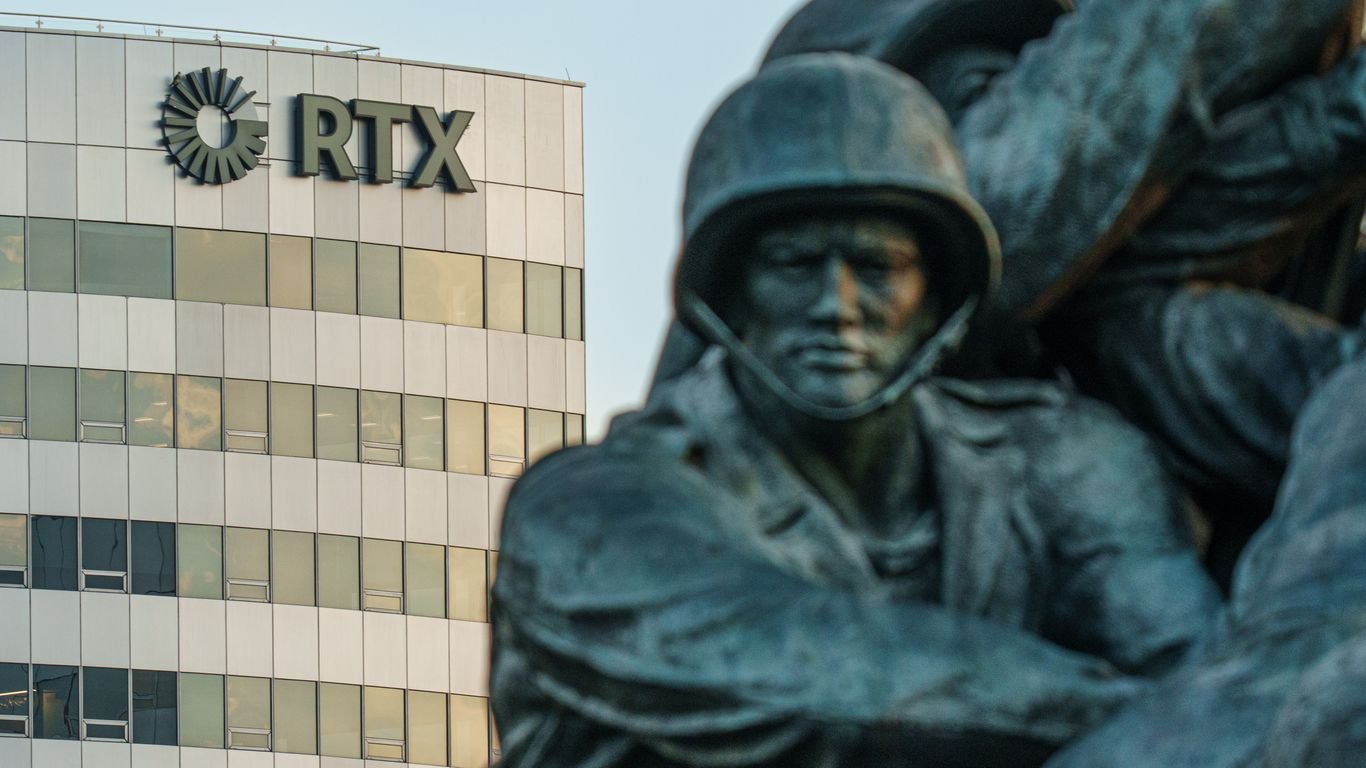
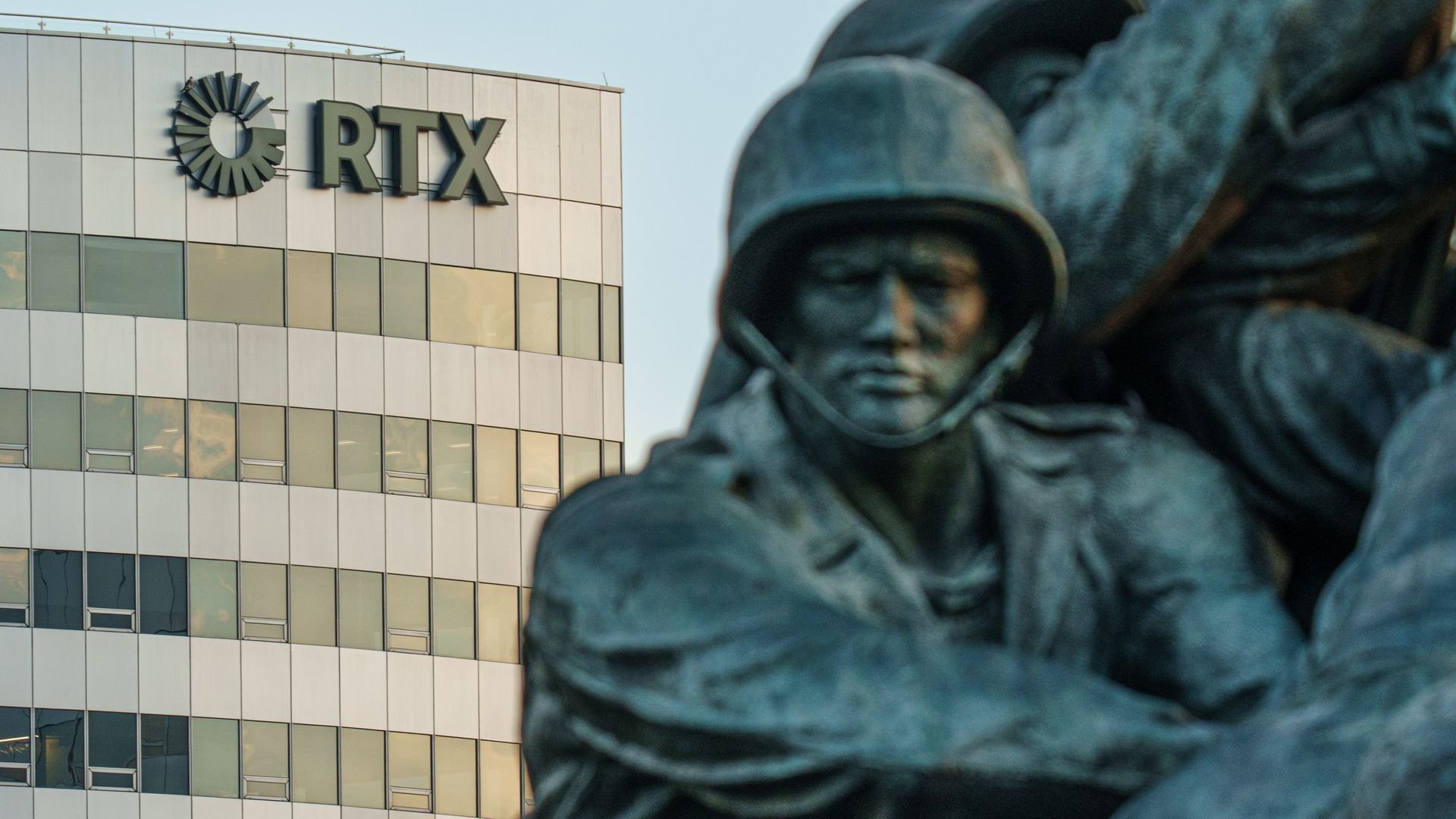 The RTX headquarters in Arlington, Virginia. Raytheon is a division of the company. Photo: J. David Ake/Getty Images
Contract cancellations could trigger significant financial repercussions. Raytheon's missile segment, which includes the Patriot air defense system, generated $12.1 billion in revenue last year. Any disruption to these programs might force RTX to revise its 2024 revenue projection of $78 billion to $79 billion.
The defense sector relies on stable government contracts for long-term planning. Trump's comments introduce volatility into the procurement process. Competitors like Lockheed Martin and Northrop Grumman may face similar pressures, potentially reshaping defense investment strategies.
Analysts note that defense stocks typically trade at a discount during election cycles due to policy uncertainty. However, direct threats against specific contractors are unusual. RTX's diversified portfolio, including commercial aerospace, could mitigate some risk. The company's Pratt & Whitney division accounts for 32% of revenue.
Market response will hinge on the election outcome and Pentagon pushback. Defense contracts often involve multiyear commitments and termination fees. Legal challenges would likely follow any attempted cancellations.
This development underscores the intersection of politics and defense spending. Investors will monitor contract negotiations and political rhetoric for signs of sustained risk.
Comments
Please log in or register to join the discussion