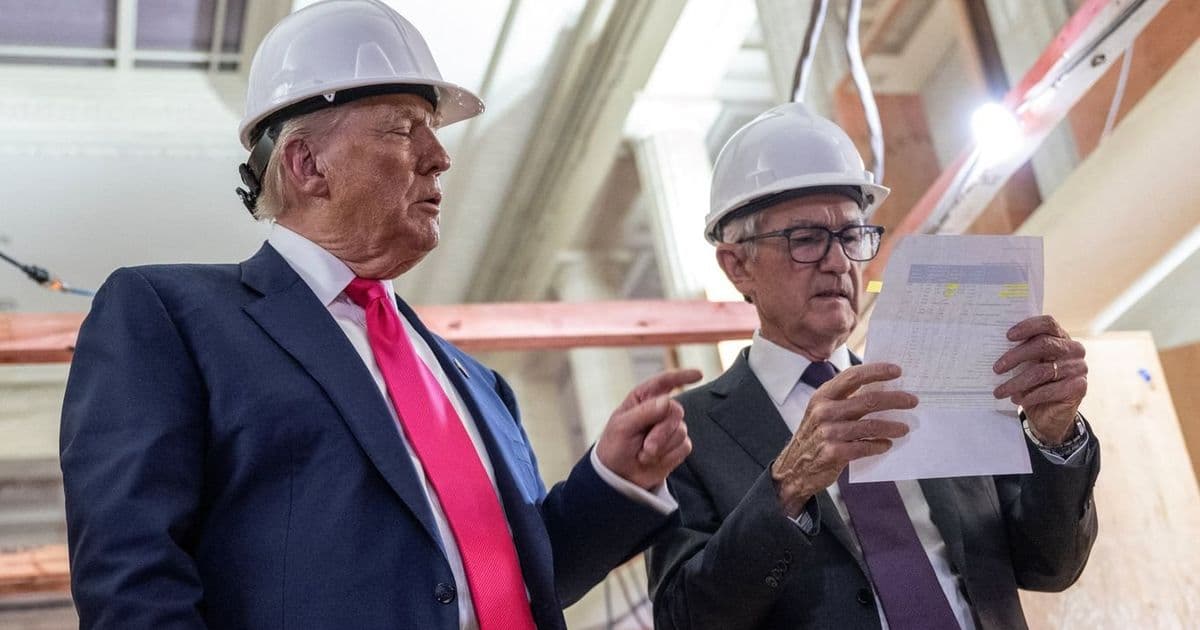
The escalating conflict between President Trump and Federal Reserve Chair Jerome Powell threatens to undermine central bank independence during a period of economic uncertainty, risking market stability and long-term policy credibility.
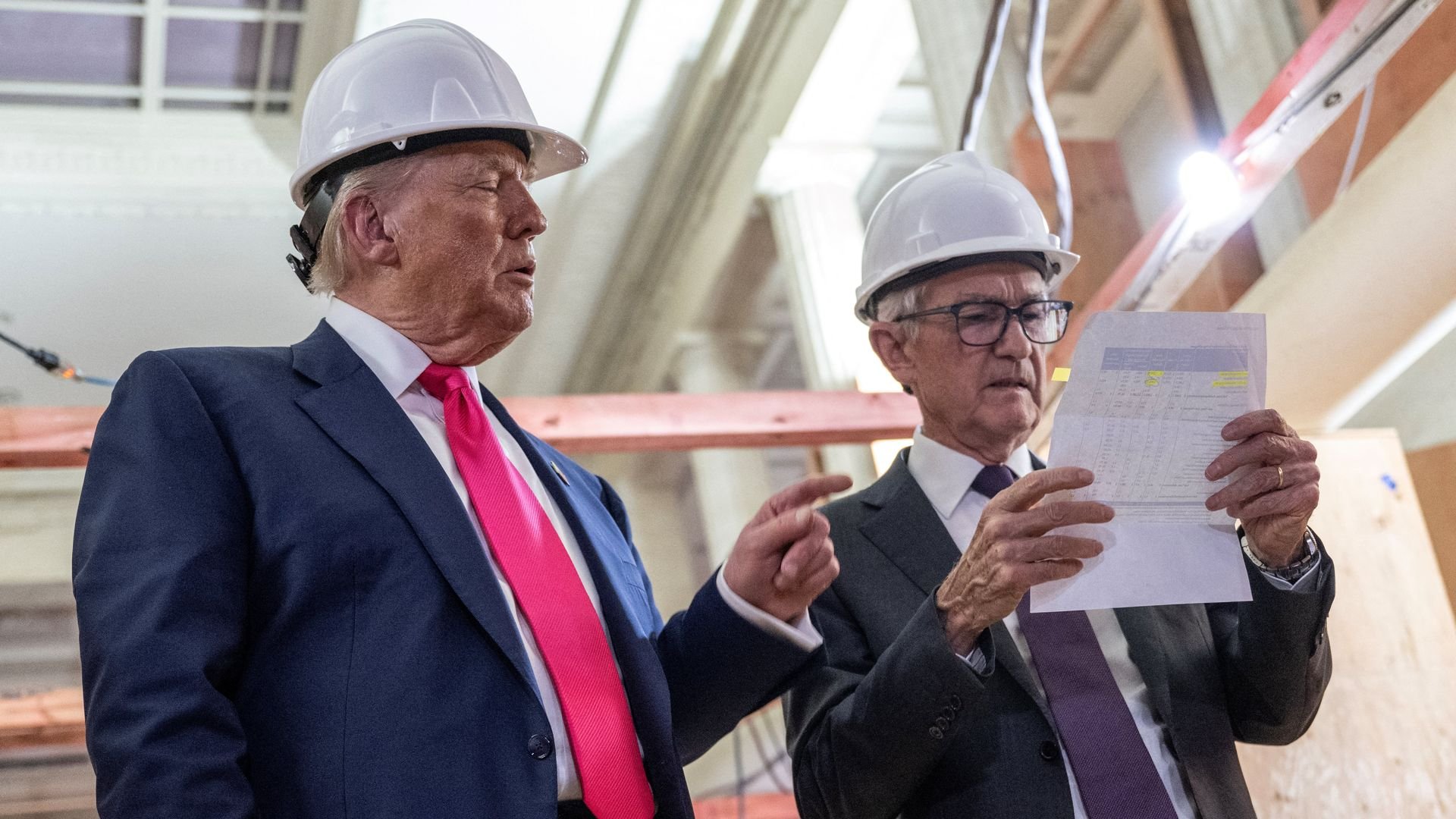
The ongoing public feud between President Trump and Federal Reserve Chair Jerome Powell represents more than political theater—it threatens foundational principles of central banking that have guided U.S. monetary policy for decades. Since Powell's appointment in 2018, Trump has issued over 60 public criticisms of Fed decisions, most recently demanding immediate rate cuts despite economic indicators showing sustained growth.
Financial markets have reacted with measurable volatility. When Trump tweeted "My only question is, who is our bigger enemy, Jay Powell or Chairman Xi?" on August 23, the S&P 500 dropped 2.6% within hours. Bond markets similarly fluctuated, with 10-year Treasury yields falling 15 basis points amid investor uncertainty. These reactions underscore how political pressure introduces unpredictable variables into market calculations.
The Federal Reserve's operational independence, formally established since 1977, enables monetary policy decisions based on economic data rather than political cycles. Historical analysis shows that since 1950, periods of Fed independence correlate with lower inflation volatility (averaging 1.2% versus 3.7% during politically influenced eras) and more stable GDP growth. Current projections indicate that sustained political interference could add 30-50 basis points to long-term borrowing costs as lenders price in increased policy uncertainty.
Strategic implications extend beyond interest rates. The Fed's ability to respond to potential downturns weakens when markets question its autonomy. During the 2008 crisis, coordinated action between the Fed and Treasury required unambiguous separation of fiscal and monetary roles. With recession risks elevated—the New York Fed's model shows a 38% probability within 12 months—preserving this firewall becomes critical. International observers at the Bank for International Settlements have noted declining confidence in U.S. institutional stability, potentially affecting dollar hegemony in global reserves.
Corporate investment patterns already reflect these concerns. Business fixed investment grew just 1.0% in Q2 2023, down from 4.4% in 2018 when Powell began raising rates. Surveys from the National Association of Business Economists indicate 67% of firms cite "monetary policy uncertainty" as a primary factor delaying capital expenditures. Should political pressure escalate, analysts project a 0.3-0.7% reduction in potential GDP growth over the next decade due to constrained policy flexibility.
Ultimately, the stakes transcend quarterly earnings or election cycles. Central bank credibility functions as economic infrastructure—once damaged, recovery requires years of consistent action. With $6.9 trillion in U.S. corporate debt maturing through 2025 and global trade tensions persisting, maintaining the Fed's ability to act decisively without political constraint remains paramount for financial stability.
Comments
Please log in or register to join the discussion