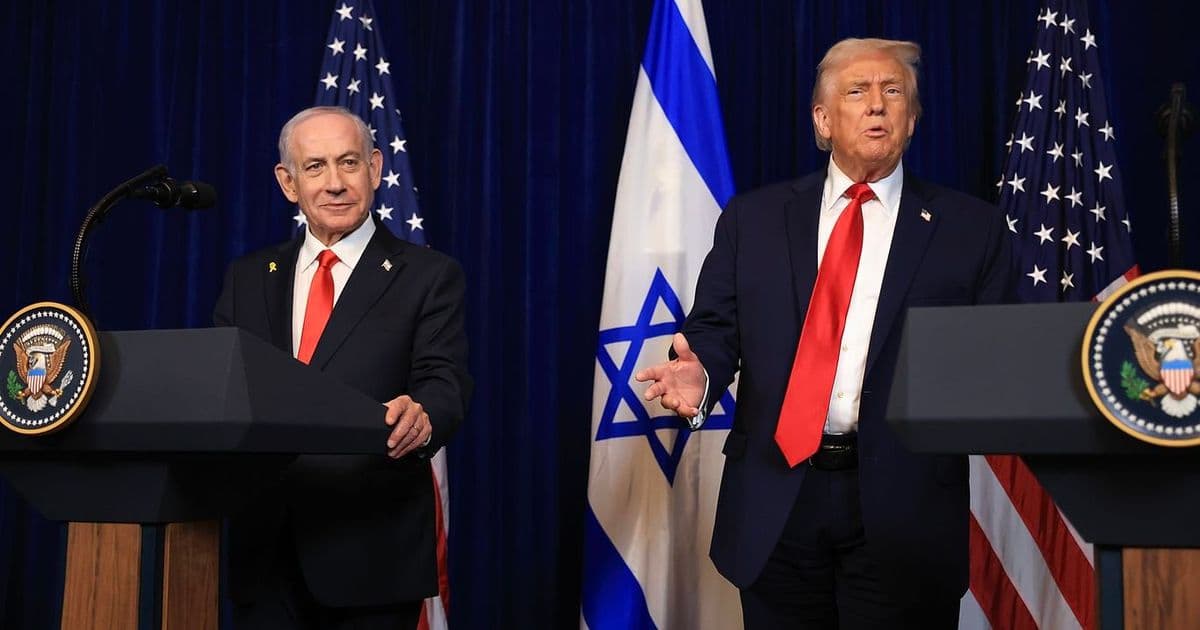
U.S. President Donald Trump has indicated he would "welcome" a ceasefire between Israel and Lebanon, according to a senior U.S. official, as regional tensions continue to simmer following recent hostilities.
President Donald Trump has signaled his administration's openness to a ceasefire between Israel and Lebanon, with a senior U.S. official stating that the White House would "welcome" efforts to de-escalate tensions between the two nations.
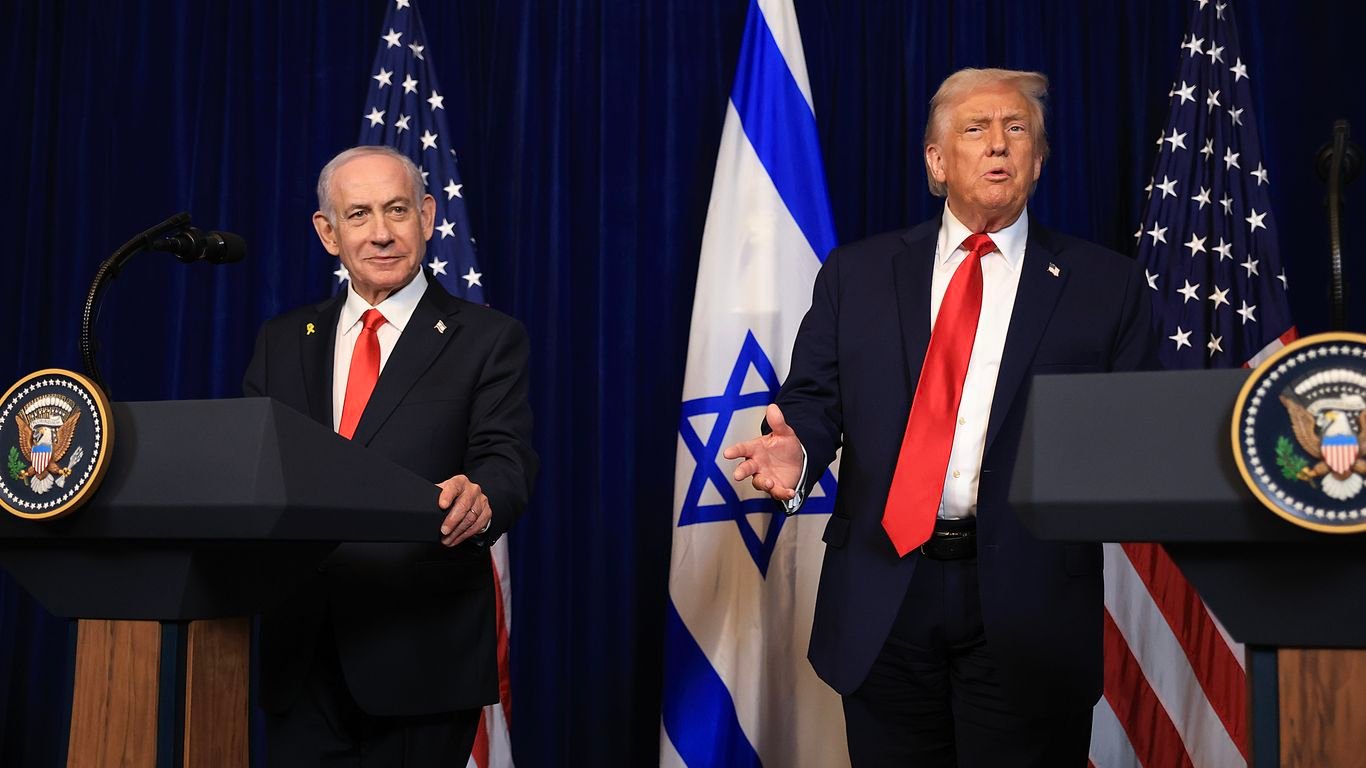
The comments come amid ongoing regional instability in the Middle East, where sporadic clashes and political tensions have periodically threatened to erupt into broader conflict. While no formal ceasefire negotiations are currently underway, the U.S. position marks a potential diplomatic opening for reducing hostilities along the Israeli-Lebanese border.
Historical Context of Israel-Lebanon Relations
The relationship between Israel and Lebanon has been characterized by decades of intermittent conflict, most notably the 2006 war between Israel and Hezbollah, the Iran-backed militant group that holds significant power in Lebanon's government. Since then, the border has remained relatively quiet but tense, with occasional flare-ups of violence.
Lebanon, a country of approximately 5.5 million people, has faced severe economic challenges in recent years, including hyperinflation, currency collapse, and widespread poverty. These internal pressures have complicated its ability to manage relations with Israel and contain Hezbollah's activities.
Trump Administration's Middle East Strategy
President Trump's willingness to support a ceasefire aligns with his administration's broader approach to Middle East diplomacy, which has emphasized direct negotiations and economic incentives over traditional peacekeeping mechanisms. The administration has previously brokered normalization agreements between Israel and several Arab states through the Abraham Accords.
However, Lebanon was not among the countries that normalized relations with Israel under these agreements. The absence of diplomatic ties between the two nations has made conflict resolution more challenging, as there are no formal channels for negotiation or crisis management.
Regional Implications
A potential ceasefire between Israel and Lebanon could have significant ripple effects throughout the region. Hezbollah, which receives support from Iran, has been a key player in various Middle Eastern conflicts, including the Syrian civil war. Any reduction in tensions along the Israeli-Lebanese border could potentially ease pressure on other regional flashpoints.
Conversely, critics might argue that a ceasefire without addressing Hezbollah's military capabilities could simply postpone rather than prevent future conflicts. The group maintains a substantial arsenal of rockets and missiles, estimated by some analysts to number in the tens of thousands, capable of reaching deep into Israeli territory.
Current Status and Next Steps
As of now, there are no publicly announced ceasefire talks between Israel and Lebanon. The U.S. official's comments appear to be a diplomatic signal rather than an indication of imminent negotiations. Both Israel and Lebanon would need to express interest in formal talks for any ceasefire process to move forward.
The situation remains fluid, with regional dynamics continuing to evolve. Any potential ceasefire would likely require careful mediation, potentially involving not just the United States but also other international actors with interests in Lebanon, including France and the United Nations.
What This Means for Regional Stability
Trump's openness to a ceasefire represents a potential diplomatic pathway for reducing tensions in a volatile region. However, the path from rhetorical support to actual implementation would require significant diplomatic effort and buy-in from all parties involved.
The coming weeks and months will likely reveal whether this statement represents a genuine diplomatic initiative or simply a rhetorical position. For now, it provides a potential framework for dialogue that could, if pursued, contribute to greater stability along one of the Middle East's most sensitive borders.
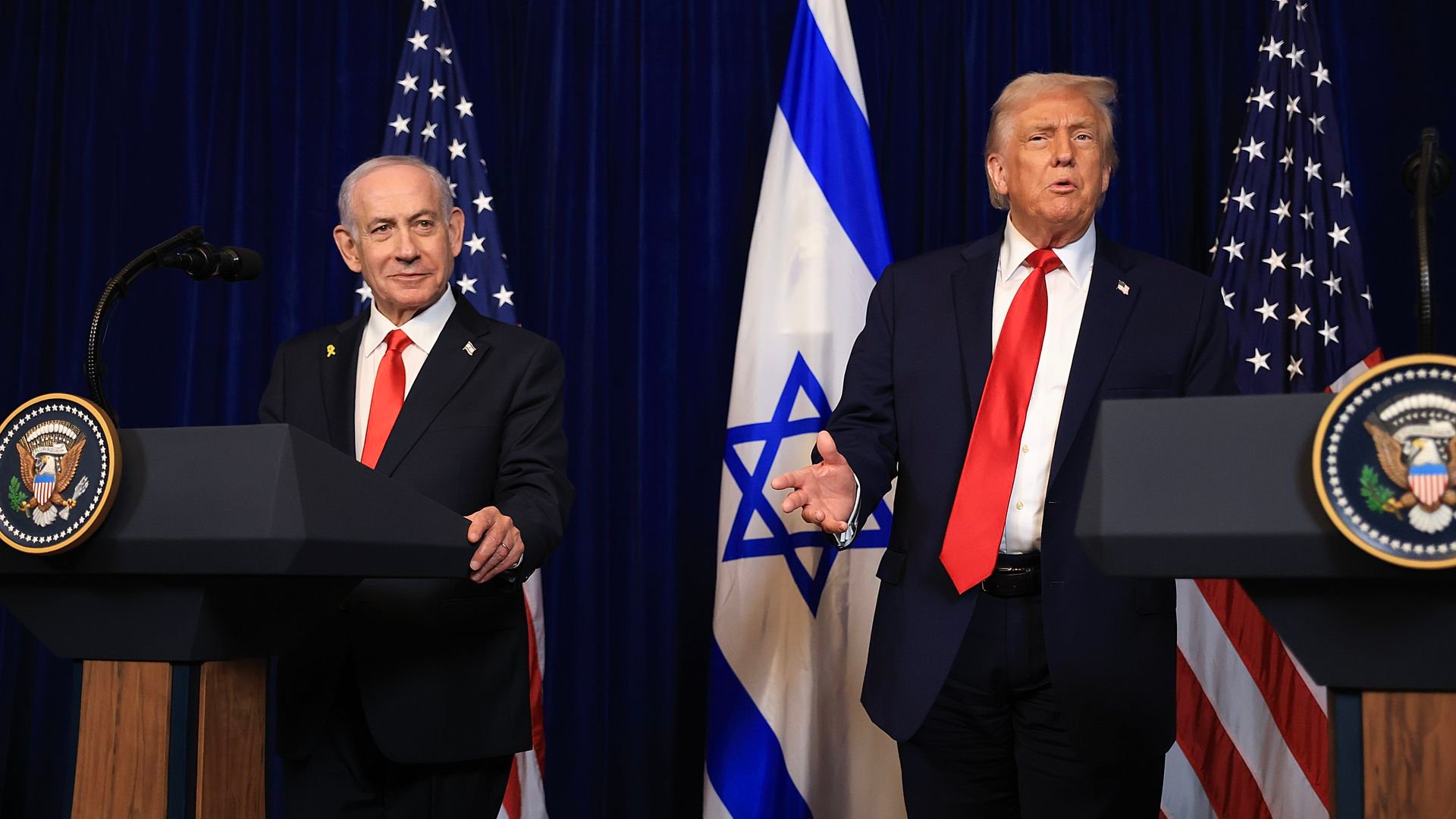
[Photo: Joe Raedle/Getty Images]
Comments
Please log in or register to join the discussion