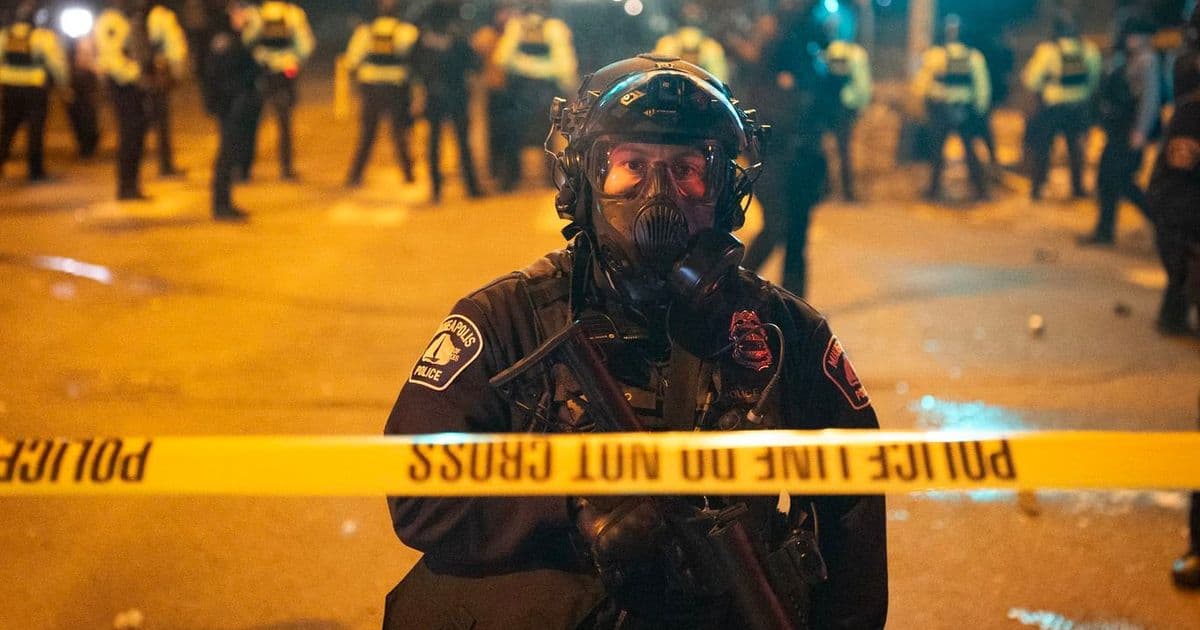
Former President Donald Trump has threatened to invoke the Insurrection Act to deploy federal forces in Minneapolis following protests sparked by an ICE agent shooting a man during an enforcement operation, raising questions about federal authority, local law enforcement coordination, and the political calculus of using military force domestically.
Former President Donald Trump has threatened to invoke the Insurrection Act to deploy federal forces in Minneapolis following protests sparked by an ICE agent shooting a man during an enforcement operation, raising questions about federal authority, local law enforcement coordination, and the political calculus of using military force domestically.
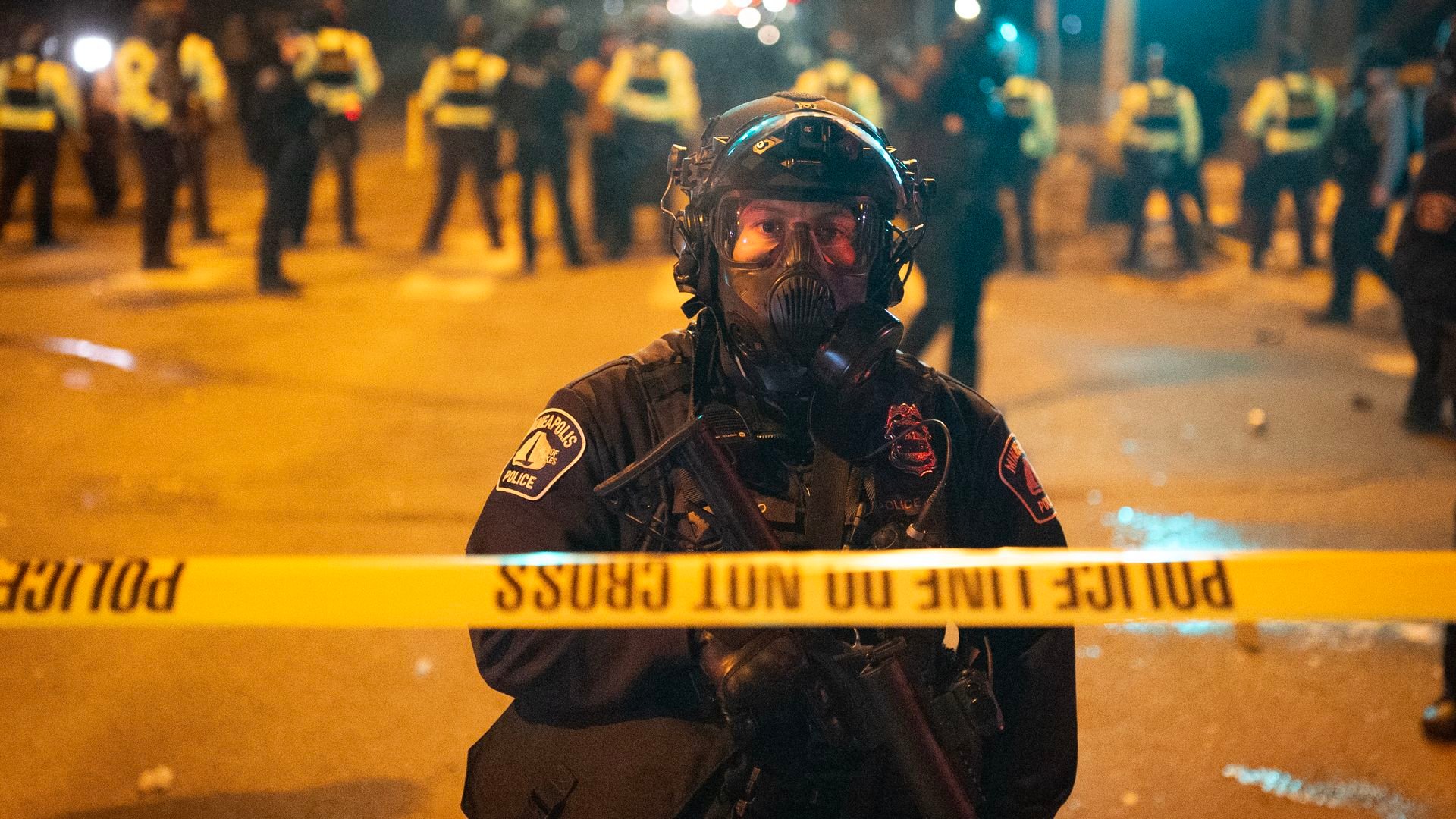
The incident occurred on January 14, when federal Immigration and Customs Enforcement (ICE) agents were conducting an enforcement operation in north Minneapolis. According to initial reports, an ICE agent shot a man in the leg during the operation, which immediately sparked protests and heightened tensions in the neighborhood. Federal and local officers were subsequently seen blocking streets in the area as the situation developed.
The Insurrection Act of 1807 is a United States federal law that empowers the President to deploy military forces within the United States to suppress civil disorder, insurrection, and rebellion. The law has been invoked sparingly throughout American history, most recently during the 1992 Los Angeles riots and the 2020 protests following the killing of George Floyd. The Act allows the President to deploy troops without state governor consent under specific circumstances, though the legal thresholds and interpretations have been subject to ongoing debate among constitutional scholars.
Trump's threat represents a significant escalation in the political rhetoric surrounding immigration enforcement and federal authority. The former president has previously discussed using the Insurrection Act as a tool for addressing domestic unrest, including during his 2020 campaign and in statements following the January 6 Capitol riot. Legal experts note that invoking the Act requires the President to issue a proclamation ordering insurgents to disperse, and the deployment must be limited to what is necessary to suppress the insurrection.
The Minneapolis incident highlights the complex intersection of federal immigration enforcement and local law enforcement priorities. ICE operations in sanctuary cities like Minneapolis often create tension between federal authorities and local police departments that have policies limiting cooperation with immigration enforcement. The shooting has drawn attention to the use of force protocols by federal agents and the potential for escalation during immigration enforcement actions.
From a strategic perspective, Trump's threat serves multiple political purposes. It signals a hardline stance on immigration enforcement, appeals to a base concerned about border security and law and order, and tests the boundaries of executive authority. The threat also puts pressure on local officials in Minneapolis and Minnesota, potentially creating a political dilemma for Democratic leadership in the state.
The legal and practical implications of deploying federal forces under the Insurrection Act would be substantial. Military personnel are trained differently from law enforcement officers, and their deployment in civilian settings raises concerns about posse comitatus restrictions, which generally prohibit the use of the military for domestic law enforcement. While the Insurrection Act provides exceptions, the deployment would likely face immediate legal challenges from civil liberties organizations and potentially from state and local governments.
The incident also reflects broader trends in immigration enforcement under the Trump administration, which emphasized aggressive interior enforcement and the use of federal resources to target undocumented immigrants regardless of criminal history. The shooting in Minneapolis represents the kind of high-profile incident that can galvanize opposition and potentially shift public opinion on immigration policy.
Local response from Minneapolis officials and Minnesota Governor Tim Walz will be critical in determining the next steps. Sanctuary city policies in Minneapolis have historically limited cooperation with ICE, and local leaders may resist any federal deployment that they view as undermining community trust or exceeding federal authority. The political calculus for Minnesota's Democratic leadership involves balancing public safety concerns with opposition to what they may characterize as federal overreach.
The broader implications extend beyond Minneapolis to other sanctuary cities across the United States. Trump's threat signals a potential return to policies that prioritize immigration enforcement over local law enforcement priorities, which could lead to increased tensions between federal and local authorities in jurisdictions with similar sanctuary policies.
Constitutional law experts continue to debate the precise scope of the Insurrection Act and the President's authority to deploy troops domestically. The law's language is intentionally broad, but historical precedent and legal interpretation suggest that the threshold for invocation is high. The shooting of one individual during an ICE operation, while serious, may not meet the traditional standard of widespread civil disorder or insurrection that typically justifies Insurrection Act deployment.
The incident also raises questions about accountability and transparency in federal law enforcement operations. ICE's use of force protocols and the circumstances surrounding the shooting will likely be subject to investigation, though the agency's internal review processes have been criticized by oversight organizations for lacking independence and transparency.
From a market and policy perspective, the threat of federal military deployment in domestic settings creates uncertainty for businesses and residents in affected areas. While the Insurrection Act deployment would be targeted, the perception of instability could impact local economic activity and property values. More broadly, such actions could influence corporate decisions about locating operations in cities where federal-local tensions are high.
The political timing of Trump's threat is also significant. As a potential presidential candidate, the statement serves to position him as a strong leader willing to use all available tools to address what he frames as lawlessness and federal authority challenges. For his supporters, the threat reinforces his commitment to immigration enforcement and law and order. For opponents, it represents an alarming expansion of presidential power and militarization of domestic policy.
Legal challenges would likely focus on whether the Minneapolis protests constitute an "insurrection" or "civil disorder" as defined by the Insurrection Act. Courts have historically been deferential to presidential determinations under the Act, but the threshold for deployment remains subject to judicial review. Any deployment would also need to consider the role of the National Guard, which can be federalized under the Act but typically operates under state control unless specifically activated by the President.
The incident underscores the ongoing tension between federal immigration enforcement priorities and local community policing strategies. Cities like Minneapolis have adopted sanctuary policies based on the belief that limiting cooperation with ICE encourages undocumented immigrants to report crimes and cooperate with local police without fear of deportation. Federal enforcement actions that result in violence can undermine these community policing efforts and create broader public safety challenges.
As the situation develops, the response from Minnesota's political leadership, local law enforcement, and community organizations will shape whether this incident remains contained or escalates into a broader conflict between federal and local authorities. The threat of Insurrection Act deployment adds a significant layer of complexity to an already tense situation, with potential ramifications for immigration policy, federal authority, and the balance of power between different levels of government.
Comments
Please log in or register to join the discussion