
The latest release of Forgejo, the community-driven alternative to GitHub and GitLab, focuses on refining everyday workflows, strengthening security, and improving operational reliability. Key updates include a new lightweight code editor, enhanced search capabilities for issues and pull requests, and significant improvements to Forgejo Actions with finer-grained trust controls and dynamic matrix support.
The release of Forgejo v14.0 on January 15, 2026, represents a significant step in maturing the self-hosted code collaboration platform. While not a Long Term Support (LTS) release, it introduces a suite of refinements that directly address user experience, security posture, and the operational stability required for production instances. The update underscores the project's philosophy of incremental, community-driven improvement, focusing on tangible enhancements rather than sweeping architectural overhauls.

Core Usability and Interface Refinements
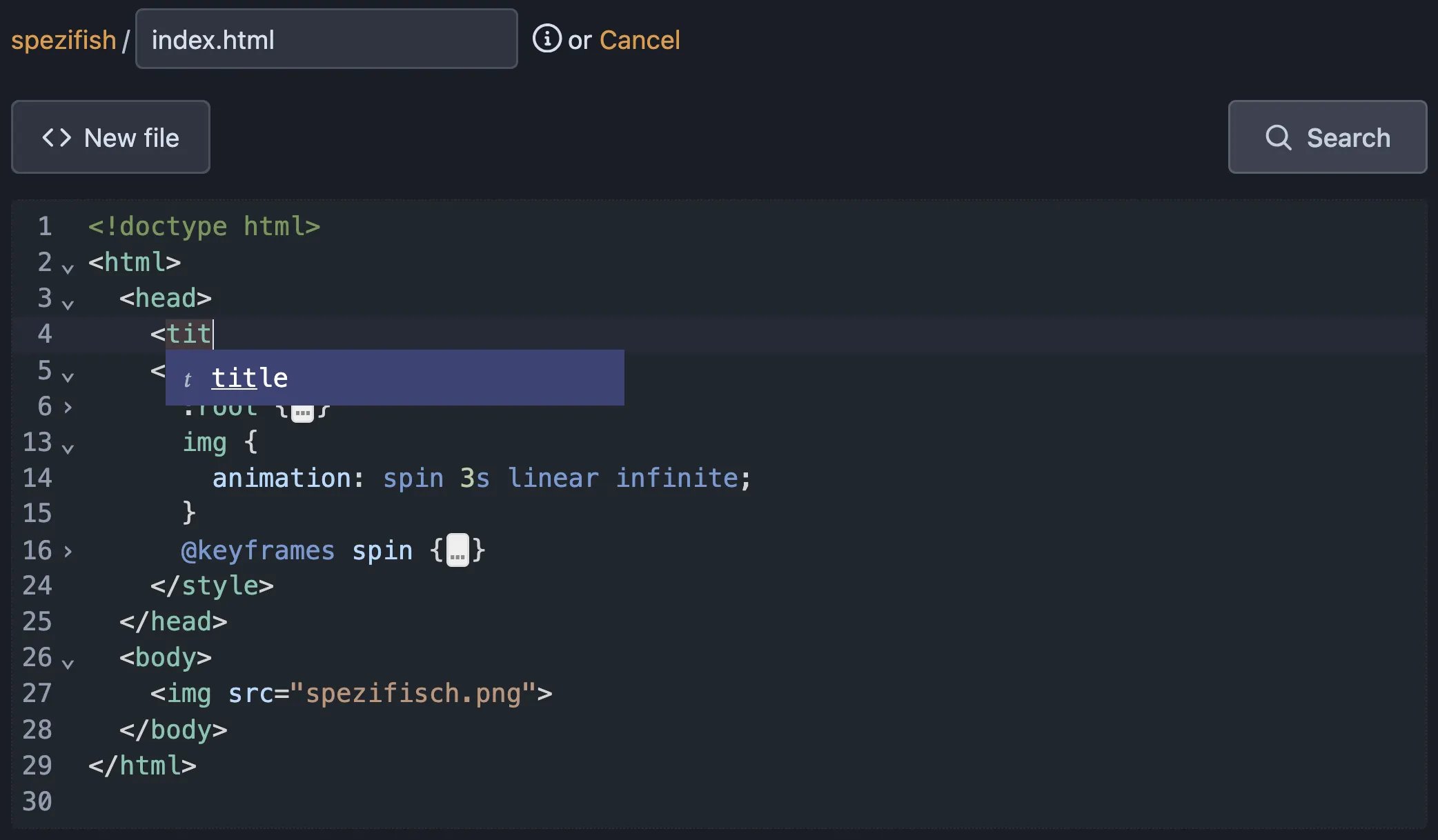
One of the most immediate changes users will encounter is the replacement of the Monaco editor with CodeMirror for single-file edits. This decision was driven by practical concerns: Monaco, while powerful, introduced performance overhead, accessibility challenges, and poor mobile usability for simple tasks. The switch to CodeMirror is a deliberate move toward a lighter, more focused editing experience. It aligns with the project's broader effort to make the Forgejo web interface functional without JavaScript, a significant undertaking for a modern web application. Recent progress has fixed bugs preventing comment posting without JS and made more UI elements, such as ellipsis menus, accessible. This work not only benefits users with JS disabled but also improves the overall robustness and resilience of the interface.
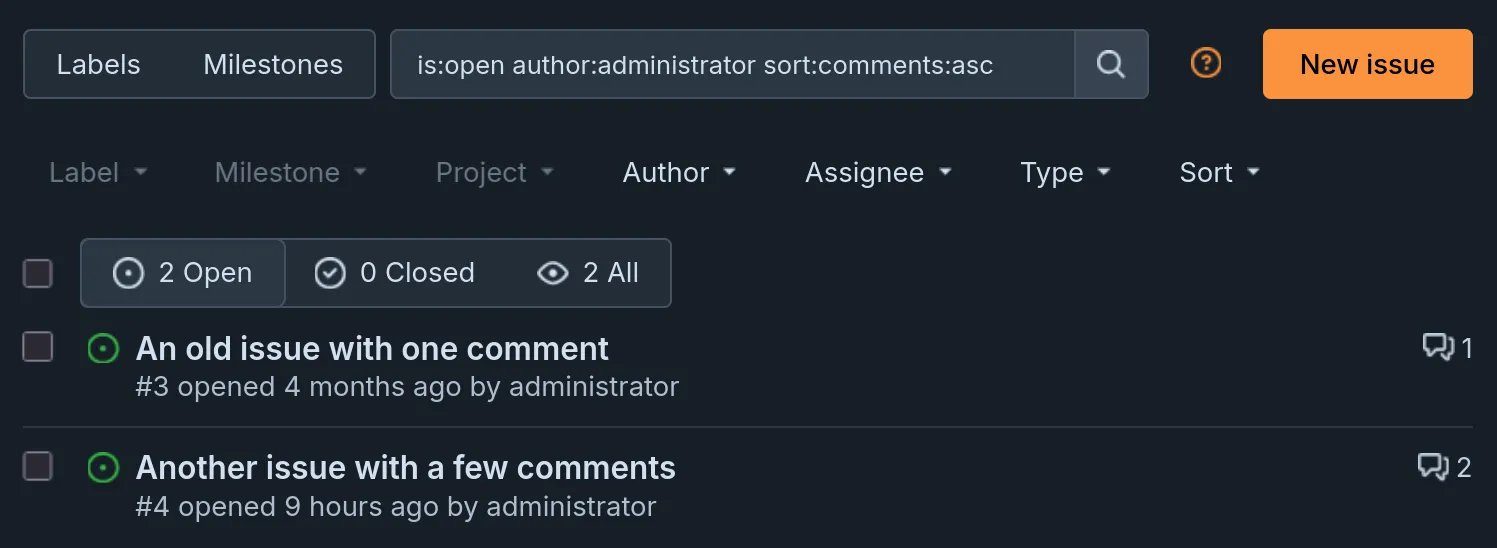
Search functionality within issues and pull requests has also been enhanced with simple inline filters. Users can now apply filters directly in the search bar, with documentation accessible via a question mark icon. This reduces the cognitive load of constructing complex queries and makes filtering more intuitive, especially for common tasks like finding open issues by a specific author or sorting by comment count.
Forgejo Actions: Granular Control and Visibility
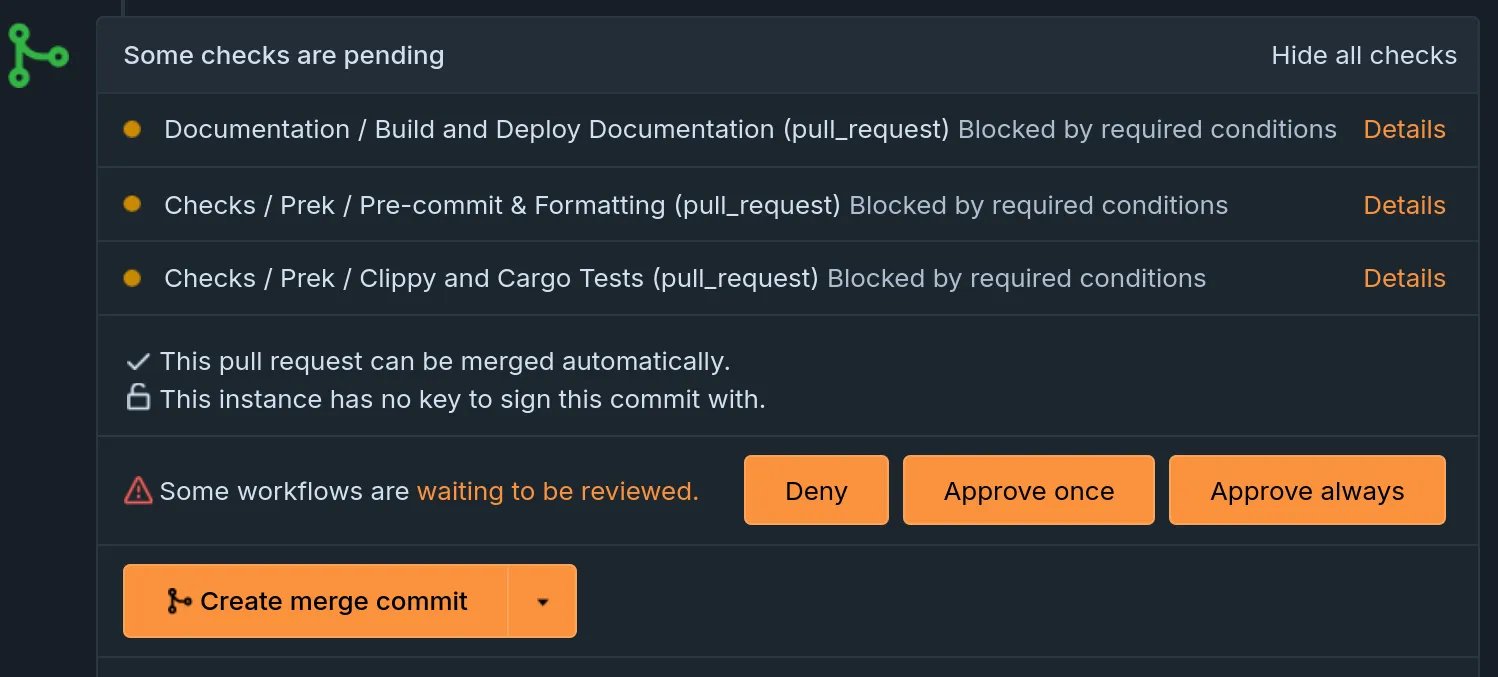
For teams relying on Forgejo's built-in CI/CD system, Forgejo Actions, the v14.0 release delivers substantial upgrades in control and visibility. A new trust management system for pull requests allows administrators to approve action execution with greater precision. Options now include approving once, approving always, and denying execution, with the ability to revoke access later. This provides a crucial layer of security, preventing unauthorized workflows from running automatically while maintaining flexibility for trusted contributors.
The system also gains better visibility into job queues. Workflows waiting for a runner with a specific configuration will now display this status in the UI, helping users diagnose why jobs might be stuck. Advanced features like concurrency groups allow workflows to control whether multiple instances can run simultaneously, preventing resource conflicts. Furthermore, the introduction of dynamic matrices and runs-on fields enables workflows to use custom logic from previous jobs to determine execution parameters, offering powerful flexibility for complex CI/CD pipelines.
Security and Operational Reliability
Security has been bolstered with a stateless CSRF protection mechanism. By leveraging browser fetch metadata request headers, this method eliminates the need for stateful tokens, allowing users to keep tabs open for extended periods without interruption. However, administrators of instances hosted on a subpath should note a specific change: these instances are no longer protected against CSRF attacks from services on the same origin. The project has removed the CSRF_COOKIE_HTTP_ONLY option and advises careful review of the release notes.
Another critical security enhancement involves the validation of the authorized_keys file. When Forgejo is configured to use this file for SSH access, it will now validate its contents on startup. If unexpected keys are found, Forgejo will terminate its startup to alert the administrator, preventing potential security risks from unauthorized SSH access. This is a proactive measure that shifts security responsibility from manual oversight to automated verification.
Operational reliability has seen targeted improvements. A longstanding issue causing incorrect repository statistics, often manifesting as "-1" pull requests, has been addressed by fixing database deadlocks during statistic updates. This eliminates a common source of user confusion and data inconsistency. Additionally, Forgejo now implements a limited number of database foreign keys—approximately 5% of cross-table references—to enforce data integrity. The upgrade process will automatically identify and correct any existing data inconsistencies, such as orphaned records, to create these foreign keys. While this is a non-breaking change, it represents a foundational step toward a more robust database schema.
The Cleanup and The Path Forward
A significant operational task accompanying this release is the cleanup of redundant commit status records. A bug in previous versions of Actions caused excessive records to be written to the commit_status table. The Forgejo CLI now includes a doctor cleanup-commit-status command to address this. In testing on the code.forgejo.org instance, 97% of the 15.2 million records were identified as redundant. Administrators are strongly advised to run this command post-upgrade, with options to control memory usage and transaction size, especially for larger SQLite-based instances.
Forgejo v14.0 will be supported until April 16, 2026, with the next LTS release, v15.0, scheduled for April 2026. The project continues to offer daily test builds for those wishing to follow development closely. As a community-funded project, its development is transparent and driven by user feedback and contributions. The release notes provide a comprehensive list of changes, and the upgrade guide emphasizes the importance of a full backup before proceeding.
For those interested in exploring or contributing, a dedicated test instance is available, and the community welcomes feedback through the issue tracker, Fediverse, or Matrix space. The steady funding via Liberapay, which allows direct support to developers, remains a cornerstone of the project's sustainable development model.
Comments
Please log in or register to join the discussion