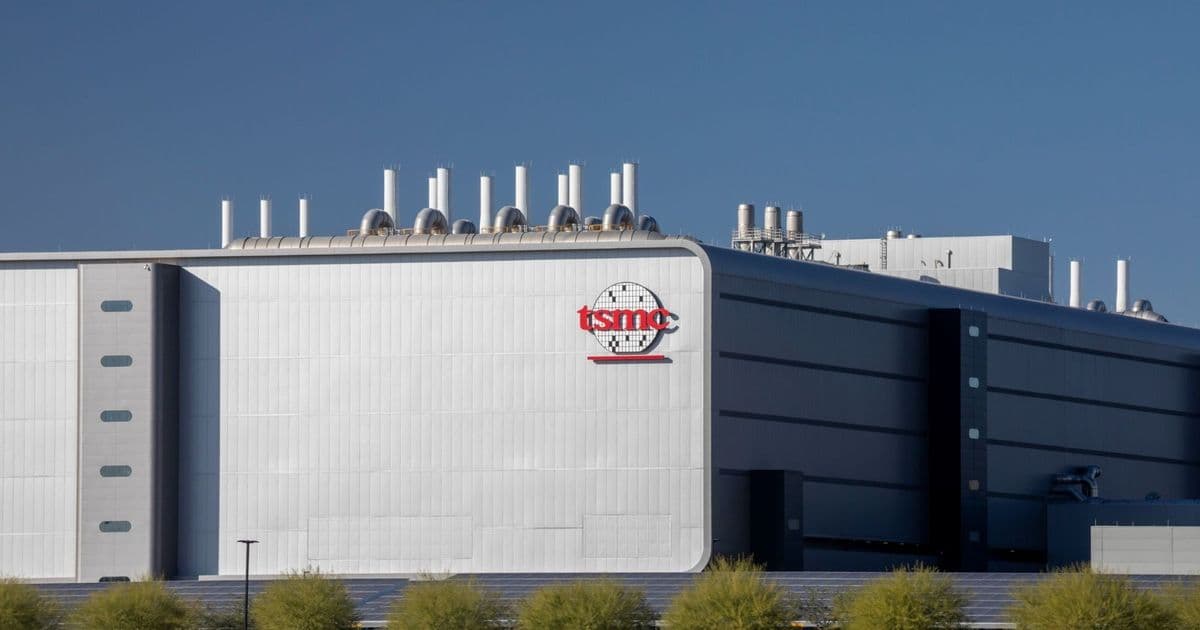
TSMC’s record Q1 profit fueled by AI demand is shadowed by rumors of a 15% cut to employee bonuses, sparking union talks and strike threats. Analysts link the move to the company’s $52‑$56 billion annual capex plan for new 2 nm and 1.4 nm fabs, while rivals Samsung and SK Hynix have already pledged profit‑sharing schemes that dwarf TSMC’s historic payouts.
TSMC Employees Threaten Strike Over Bonus Cuts as Capex Surge Pressures Payouts
Announcement
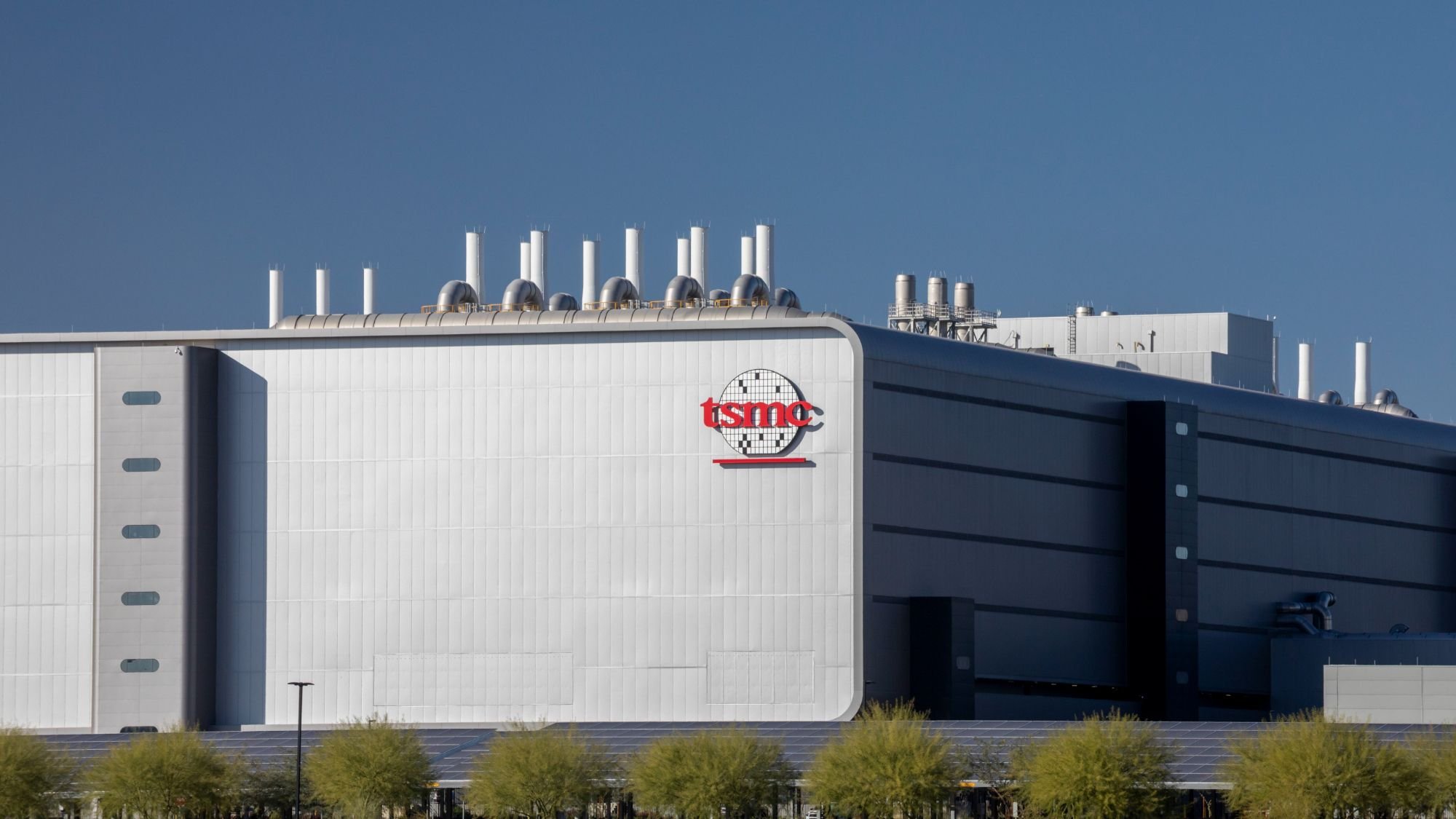
Taiwan Semiconductor Manufacturing Co. (TSMC) posted a record first‑quarter net profit of NT$572.5 billion (US$17.9 billion), a 58 % year‑over‑year increase driven by exploding demand for AI‑optimized chips. Within days of the earnings release, the DigiTimes reported that the company is considering a ~15 % reduction in its performance‑bonus pool for staff. The rumor has ignited open discussions of unionization and a possible strike among the workforce, a rare development for a firm that has operated without a labor union since its 1987 founding.
Technical and Financial Context
Bonus Structure vs. Capex Commitments
- Historical bonus payout: Roughly 13 % of retained earnings has been returned to employees as profit‑sharing bonuses.
- Projected cut: A 15 % haircut would shrink the NT$206.1 billion pool (≈US$6.4 billion) to about NT$175 billion.
- Average employee impact: With ~78,000 staff, the average bonus would fall from NT$2.64 million (US$87k) to roughly NT$2.25 million (US$74k).
The likely driver is TSMC’s $52‑$56 billion annual capital‑expenditure program, which funds 12 new fabs across the United States, Japan, Germany, and Taiwan. The program targets 2 nm and 1.4 nm process nodes—technologies that promise 30‑40 % performance gains and 15 % power reductions over the current 3 nm generation. These nodes are essential for next‑generation AI accelerators such as NVIDIA’s GH200 and AMD’s MI300X.
Process‑Node Progress
| Node | Expected Yield (2025) | Performance Gain vs. 3 nm | Power Reduction |
|---|---|---|---|
| 2 nm | 70 % (high‑volume) | +35 % IPC* | –15 % |
| 1.4 nm | 45 % (early ramp) | +45 % IPC* | –20 % |
*IPC = instructions per clock. The gains are based on early silicon from Samsung and Intel, which TSMC aims to match or exceed.
Market Implications
Competitive Pressure from Samsung and SK Hynix
- Samsung’s recent union deal allocates 10.5 % of semiconductor division operating profit to stock‑based bonuses plus 1.5 % cash over ten years. At current profit levels, that translates to ≈US$340k per employee in 2026.
- SK Hynix follows a similar model, earmarking 10 % of operating profit for employee payouts.
Both rivals have formal collective‑bargaining mechanisms, giving their workforces a direct channel to negotiate compensation. TSMC’s workers see a stark contrast: no union, no formal negotiation, and a bonus pool that has historically been a fixed percentage of earnings rather than a profit‑sharing formula tied to long‑term performance.
Potential Ripple Effects
- Talent Retention Risk – AI‑focused design houses (e.g., NVIDIA, AMD) and fab‑service customers could pressure TSMC to maintain a stable, motivated engineering base. A strike or prolonged labor dispute could jeopardize capacity commitments for high‑margin AI wafers, which currently command premium pricing of $0.30‑$0.35 per mm².
- Shareholder Sentiment – The upcoming May 28 shareholder meeting may become a litmus test for how investors weigh capital allocation (capex vs. workforce investment). A perceived tilt toward capex at the expense of staff could trigger proxy battles or activist pushes.
- Regulatory Scrutiny – Taiwan’s labor laws allow union formation, but the process is complex. A high‑profile dispute could attract government attention, especially given the strategic importance of TSMC to Taiwan’s economy and national security.
Outlook
Analysts at Nomura and Morgan Stanley estimate that TSMC’s 2025‑2026 capex will exceed US$120 billion, a level only sustainable if the company can maintain strong cash flow from AI‑driven wafer sales, which are projected to grow 30 % YoY through 2027. If the bonus cut proceeds, the employee‑to‑profit ratio would drop from ~13 % to ~11 %, a figure still above the industry average of ~8 %, but likely insufficient to quell morale.
Should the workforce move toward formal unionization, TSMC may need to re‑engineer its compensation model, perhaps adopting a tiered profit‑sharing scheme similar to Samsung’s, which could align employee incentives with the long‑term success of the 2 nm and 1.4 nm platforms.
For now, the situation remains fluid. The company’s public statement emphasizes that bonuses are expected to grow faster in 2026 than in 2025, but the lack of concrete numbers leaves room for speculation. Stakeholders will be watching the shareholder vote, any union filing, and the first‑quarter earnings call for clearer signals.
Sources: DigiTimes, TSMC Q1 2024 earnings release, Liberty Times, Samsung press release, SK Hynix investor relations, Nomura research note (May 2024).
Comments
Please log in or register to join the discussion