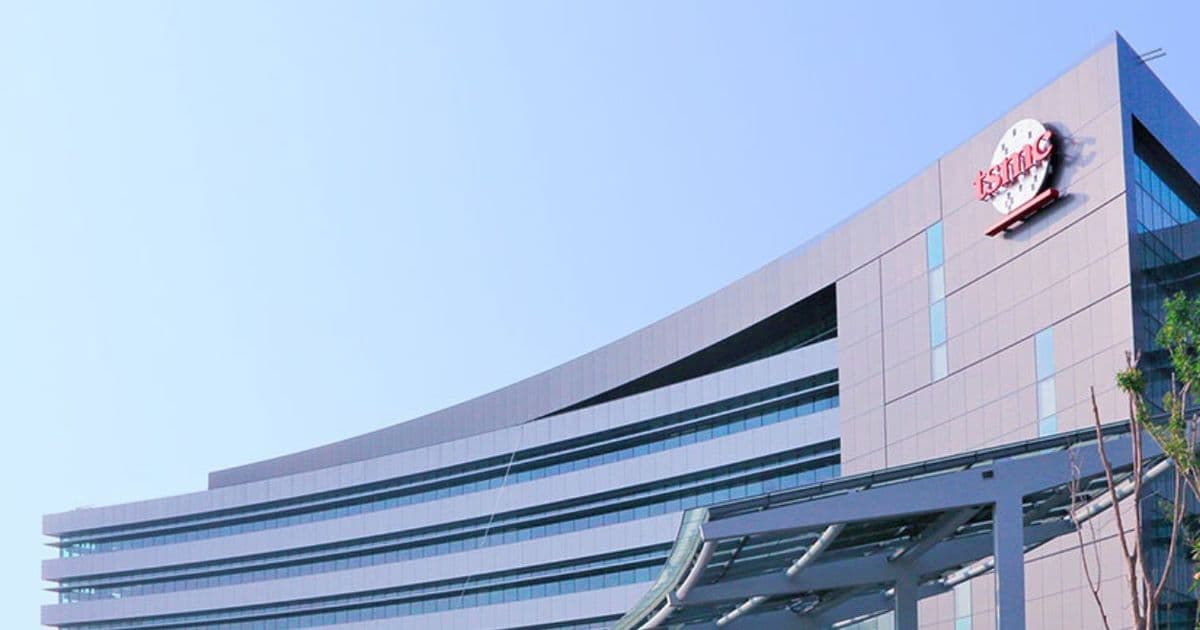
TSMC is already planning a 1nm process while adding up to a dozen new fabs for 2nm‑to‑1.4nm production, but land‑acquisition delays push first‑generation 1nm chips into the early 2030s.
TSMC Maps Out 1nm Roadmap and Up to 12 New Fabs to Meet Future Demand
The problem TSMC is trying to solve
The semiconductor industry is racing to shrink transistor dimensions, because each nanometer gain translates into higher performance, lower power draw, and the ability to pack more AI‑centric compute into a single die. Customers such as Apple, Nvidia, and hyperscale cloud providers are already signalling demand for chips built on the upcoming 2nm node, which is slated for volume production later this year. The next logical step—1nm—offers another 15‑20% performance uplift and a comparable reduction in energy per operation, but reaching that scale demands not only new lithography equipment but also a massive expansion of manufacturing capacity.
What TSMC is doing: new fabs and a 1nm plan
TSMC’s response is two‑pronged:
Start laying the groundwork for a 1nm process – internal sources say the company has opened a dedicated R&D track for 1nm, targeting a first‑generation production start in 2030‑31. The effort hinges on extreme‑ultraviolet (EUV) lithography upgrades, novel gate‑all‑around (GAA) transistor architectures, and advanced patterning techniques such as self‑aligned double patterning (SADP) and directed self‑assembly (DSA). While the technical challenges are formidable, TSMC already has a head start from its 2nm development, which uses a refined GAA approach.
Build up to 12 new wafer fabs – the fab expansion covers sites in Taiwan, the United States, and Europe. Each plant will be tuned for nodes ranging from 2nm down to 1.4nm, providing a flexible production base that can absorb early‑stage 1nm volume once the process is ready. The announced locations include:
- Longtan Phase III (Taiwan) – intended to host 2nm and 1.4nm lines, but land‑acquisition disputes have delayed ground‑breaking.
- Arizona (U.S.) Fab 15 – slated for 2nm production, with a later upgrade path to 1.4nm.
- Germany Fab 19 – a European hub that will initially run 2nm and later transition to 1.4nm.
- Two additional sites in Japan – earmarked for specialty nodes and early‑stage 1nm pilot lines.
The scale of this expansion is unprecedented for a single foundry. If all 12 facilities come online as planned, TSMC’s capacity could increase by roughly 30% compared with its 2023 baseline, giving it enough runway to meet the projected surge in AI‑driven workloads.
Timing and constraints
Even with the aggressive fab build‑out, the 1nm timeline faces two major headwinds:
- Infrastructure bottlenecks – the 1nm node will require next‑generation EUV scanners (potentially the 0.33‑NA tools under development by ASML) and new metrology equipment that is not yet in mass production. Supply‑chain constraints for these machines could push back start‑up dates.
- Land‑acquisition delays – the Longtan Phase III project has hit a snag over zoning approvals, pushing its expected completion from 2028 to beyond 2030. Since this site is earmarked as a primary 1nm pilot fab, the delay ripples through the whole roadmap.
Because of these factors, analysts now expect the first commercial 1nm chips to appear in high‑end servers or specialized AI accelerators no earlier than 2030, with broader adoption trailing a few years later.
Why it matters for the ecosystem
- Supply security – By diversifying its fab footprint across three continents, TSMC reduces geopolitical risk for its biggest customers, who have been pushing for more localized production.
- Technology leadership – Maintaining a lead on the sub‑2nm front keeps TSMC ahead of rivals such as Samsung and Intel, who are also courting the 1nm market but have announced later timelines.
- Capital intensity – The announced expansion will require roughly $150 billion in capex over the next decade, according to TSMC’s internal forecasts. This level of investment signals confidence that demand for ultra‑efficient compute will continue to outpace supply.
Outlook
While the hype around "1nm" can be tempting, the practical reality is that the node will be a niche offering for a few years, primarily serving AI inference and high‑performance computing workloads that cannot tolerate the power envelope of 2nm. TSMC’s strategy of pairing a long‑term R&D pipeline with a massive fab build‑out positions it to capture that niche, provided it can untangle the land‑use and equipment‑supply issues that are already delaying the schedule.
For anyone tracking the semiconductor supply chain, the key takeaway is that the 1nm era is on the horizon, but it will arrive as a carefully staged rollout rather than an overnight shift.
Comments
Please log in or register to join the discussion