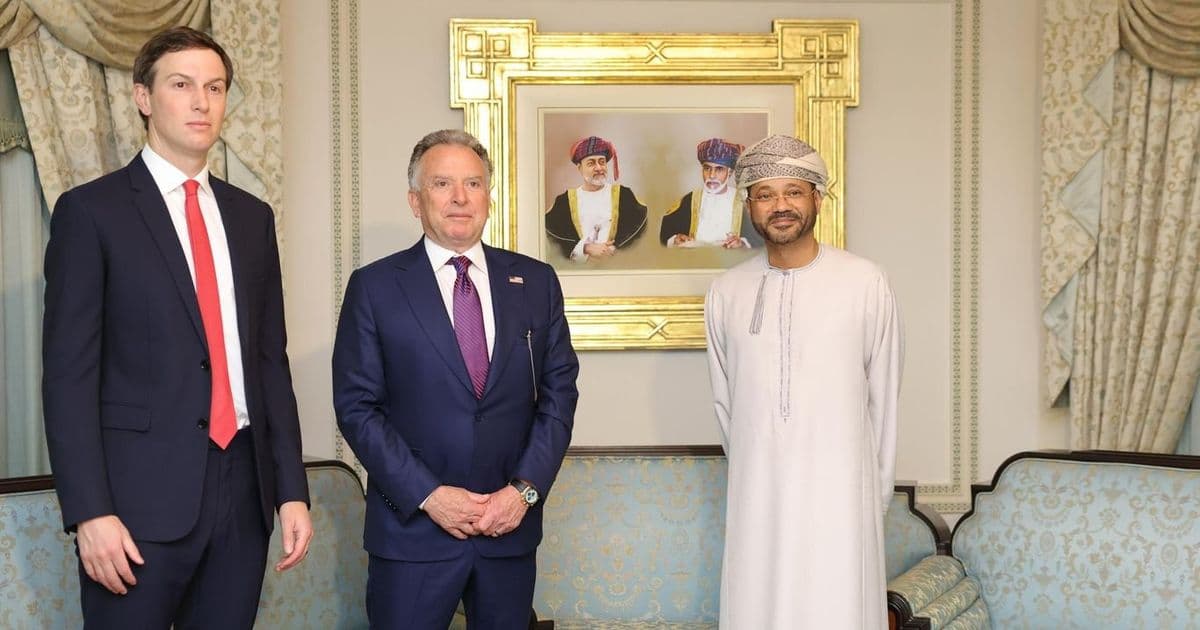
U.S. and Iranian officials held initial nuclear negotiations in Oman, with both sides agreeing to continue talks as the Trump administration seeks to curb Iran's nuclear program through diplomacy.
The United States and Iran have agreed to continue nuclear negotiations after holding their first round of talks in Oman, marking a significant diplomatic development in the ongoing efforts to address concerns about Iran's nuclear program.
Diplomatic engagement in Muscat
The talks, which took place in the Omani capital of Muscat, brought together senior officials from both countries in a carefully orchestrated diplomatic effort. Oman has long served as a neutral intermediary in Middle East diplomacy, having facilitated secret talks between the U.S. and Iran that ultimately led to the 2015 nuclear deal.
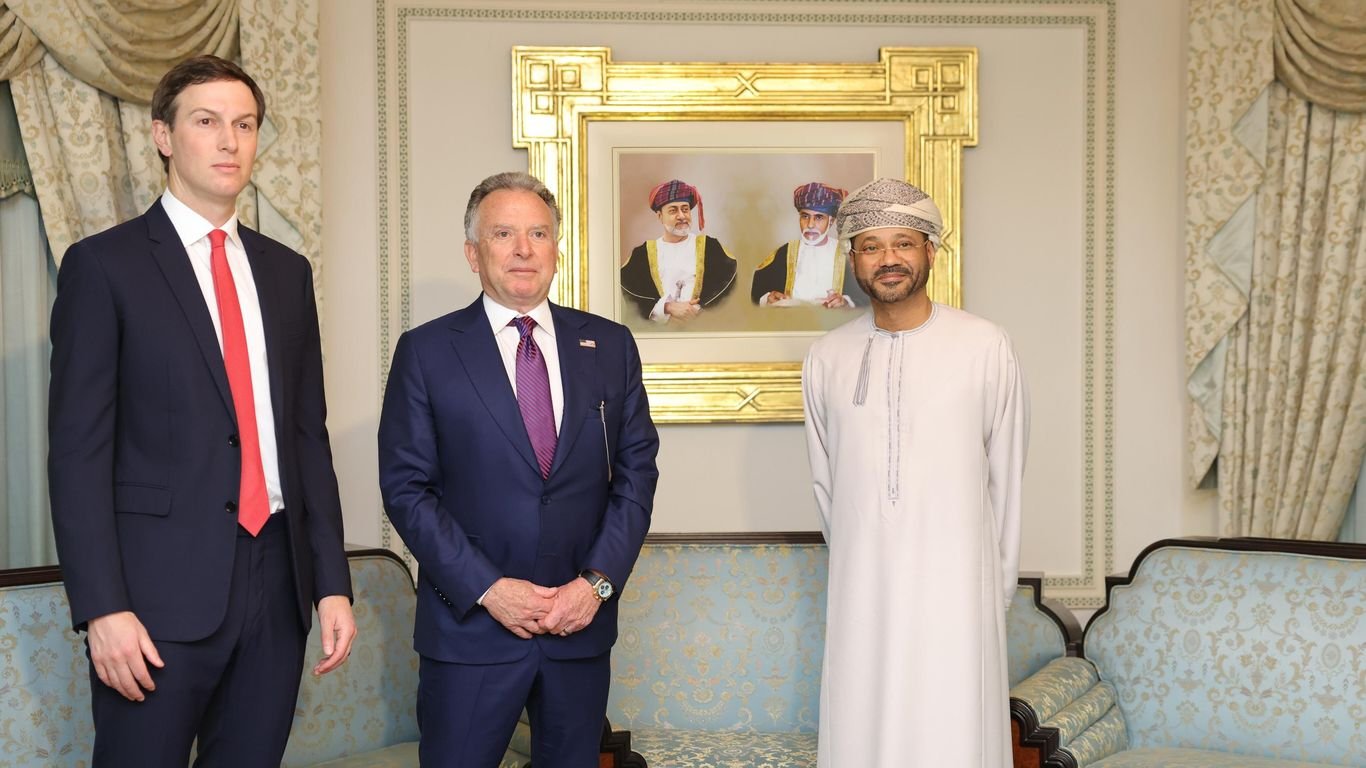
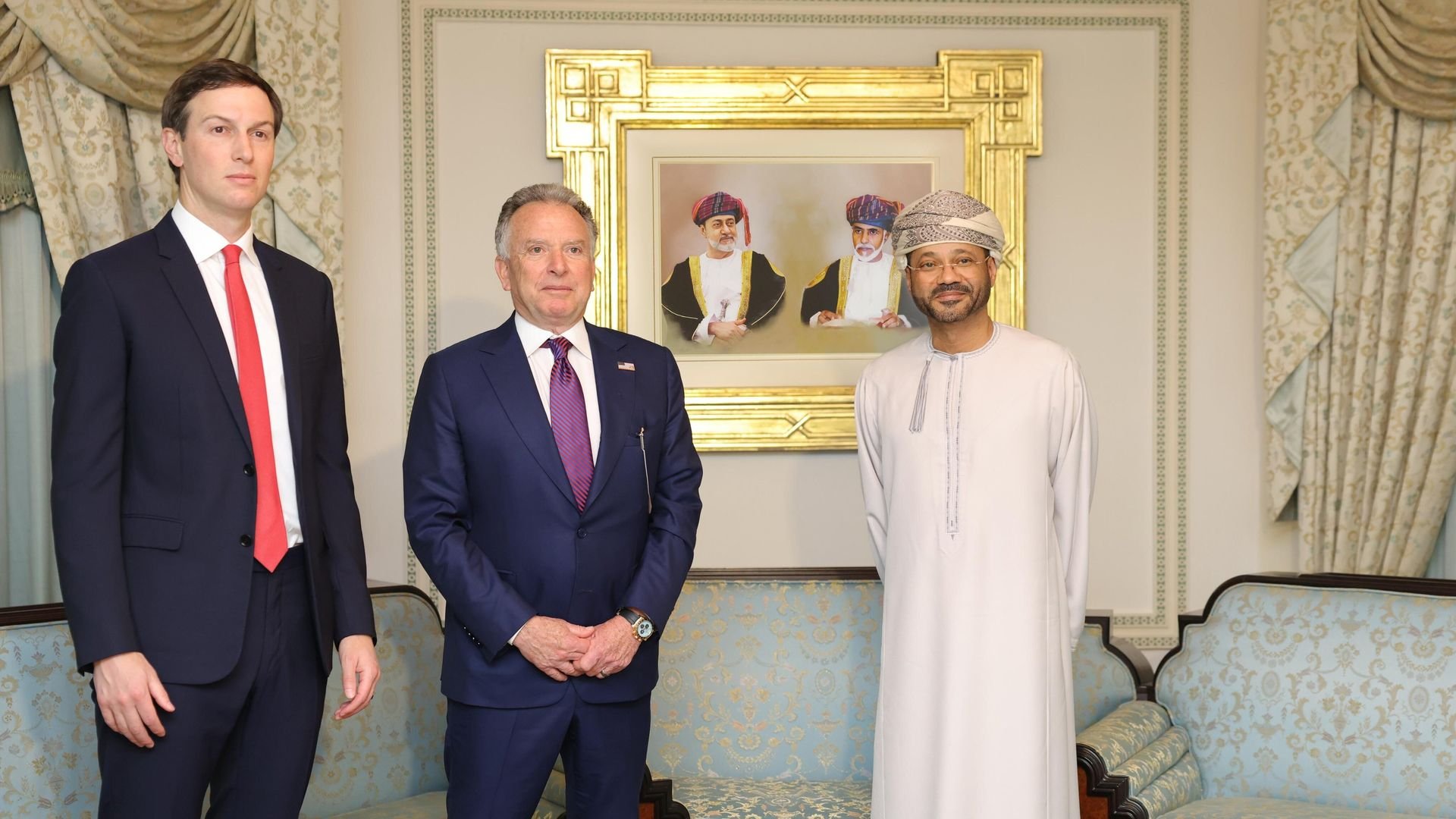
The meeting included key figures from the U.S. delegation, with White House Middle East envoy Steve Witkoff and senior advisor Jared Kushner participating in the discussions. On the Iranian side, senior nuclear negotiators represented Tehran's interests in the talks.
Context of renewed negotiations
These negotiations come at a critical juncture in U.S.-Iran relations. The Trump administration has maintained a hardline stance on Iran's nuclear program, withdrawing from the 2015 Joint Comprehensive Plan of Action (JCPOA) and implementing a policy of "maximum pressure" through economic sanctions.
The decision to engage in direct talks represents a potential shift in approach, though the administration has emphasized that any new agreement must address what it considers to be the shortcomings of the previous deal. Key U.S. concerns include Iran's ballistic missile program, its regional activities, and the sunset provisions of the original agreement.
What the talks covered
While specific details of the discussions remain limited, sources indicate that the initial round focused on establishing parameters for future negotiations and identifying areas of potential compromise. The talks reportedly addressed:
- Iran's uranium enrichment capabilities and stockpiles
- Verification and monitoring mechanisms
- Timeline for potential sanctions relief
- Regional security concerns
- The role of other parties to the original nuclear deal
Regional implications
The continuation of talks has been met with cautious optimism from regional allies. Gulf states, particularly those in the Gulf Cooperation Council, have expressed concerns about both Iran's nuclear ambitions and the potential for renewed conflict in the region.
Saudi Arabia and the United Arab Emirates have called for any agreement to address what they view as Iran's destabilizing activities in the region, including its support for proxy groups and its missile program.
International response
The international community has largely welcomed the news of continued talks. European powers, who have been working to preserve elements of the JCPOA since the U.S. withdrawal, have expressed support for diplomatic efforts to address nuclear concerns.
The European Union's foreign policy chief issued a statement noting that "any diplomatic engagement that could lead to verifiable constraints on Iran's nuclear program is welcome and should be supported."
Challenges ahead
Despite the positive development of agreed-upon continued talks, significant obstacles remain. The two sides have maintained fundamentally different positions on key issues:
- Iran insists on its right to enrich uranium for peaceful purposes
- The U.S. demands complete cessation of enrichment activities
- Disagreements persist over the scope and duration of any restrictions
- Questions remain about verification mechanisms and consequences for violations
Economic factors
Economic considerations continue to play a significant role in the negotiations. Iran's economy has been severely impacted by sanctions, with inflation and unemployment remaining high. The country's oil exports have been significantly reduced, though Iran has developed sophisticated methods to circumvent some restrictions.
For the United States, concerns about regional stability and the potential for military conflict continue to influence the diplomatic approach. The administration has stated that while it prefers a diplomatic solution, all options remain on the table.
Timeline and next steps
The agreement to continue talks suggests both sides see value in the diplomatic process, though no specific timeline for future meetings has been announced. The Omani government has offered to continue hosting negotiations, leveraging its position as a trusted intermediary.
Analysts note that while the initial round of talks represents progress, the path to a comprehensive agreement remains challenging. Previous negotiations have taken years to complete, and the current political climate in both countries presents additional complications.
Looking forward
The continuation of nuclear talks between the U.S. and Iran represents a significant diplomatic development in a region marked by tension and conflict. While the road ahead remains uncertain, the decision to engage in direct negotiations offers a potential path toward addressing one of the most pressing security challenges in the Middle East.
As both sides prepare for the next round of discussions, the international community will be watching closely to see whether this diplomatic opening can lead to meaningful progress on nuclear issues and regional stability.
Comments
Please log in or register to join the discussion