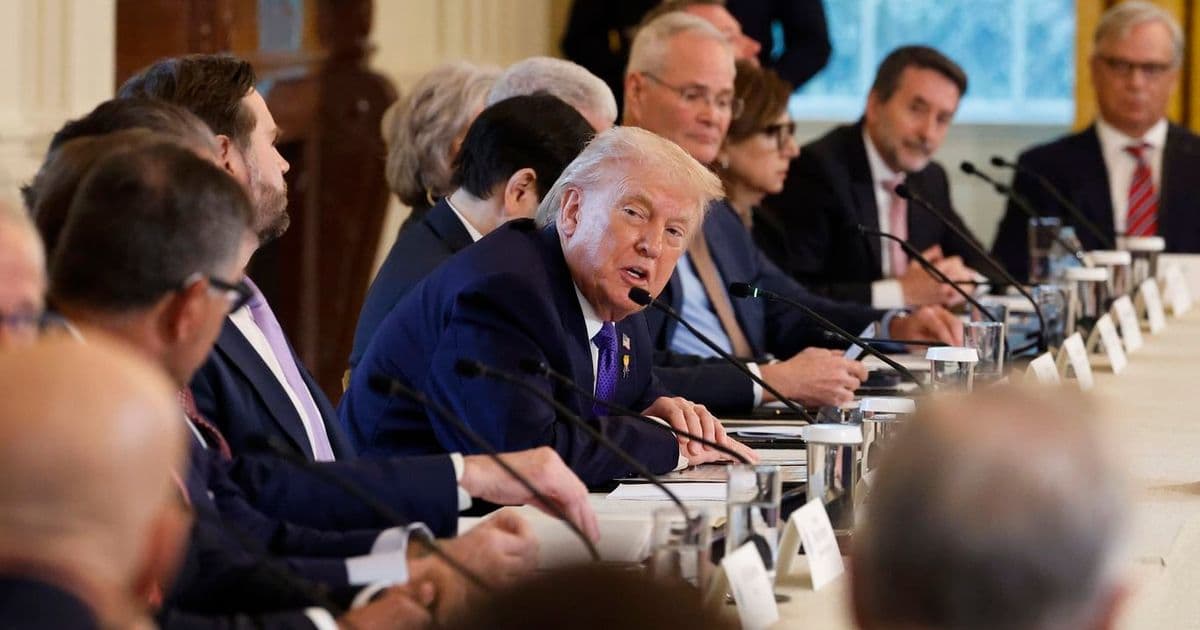
Major U.S. oil companies told the Trump administration they won't commit to new Venezuelan operations, citing unresolved sanctions and political risks that outweigh potential gains from the country's vast reserves.
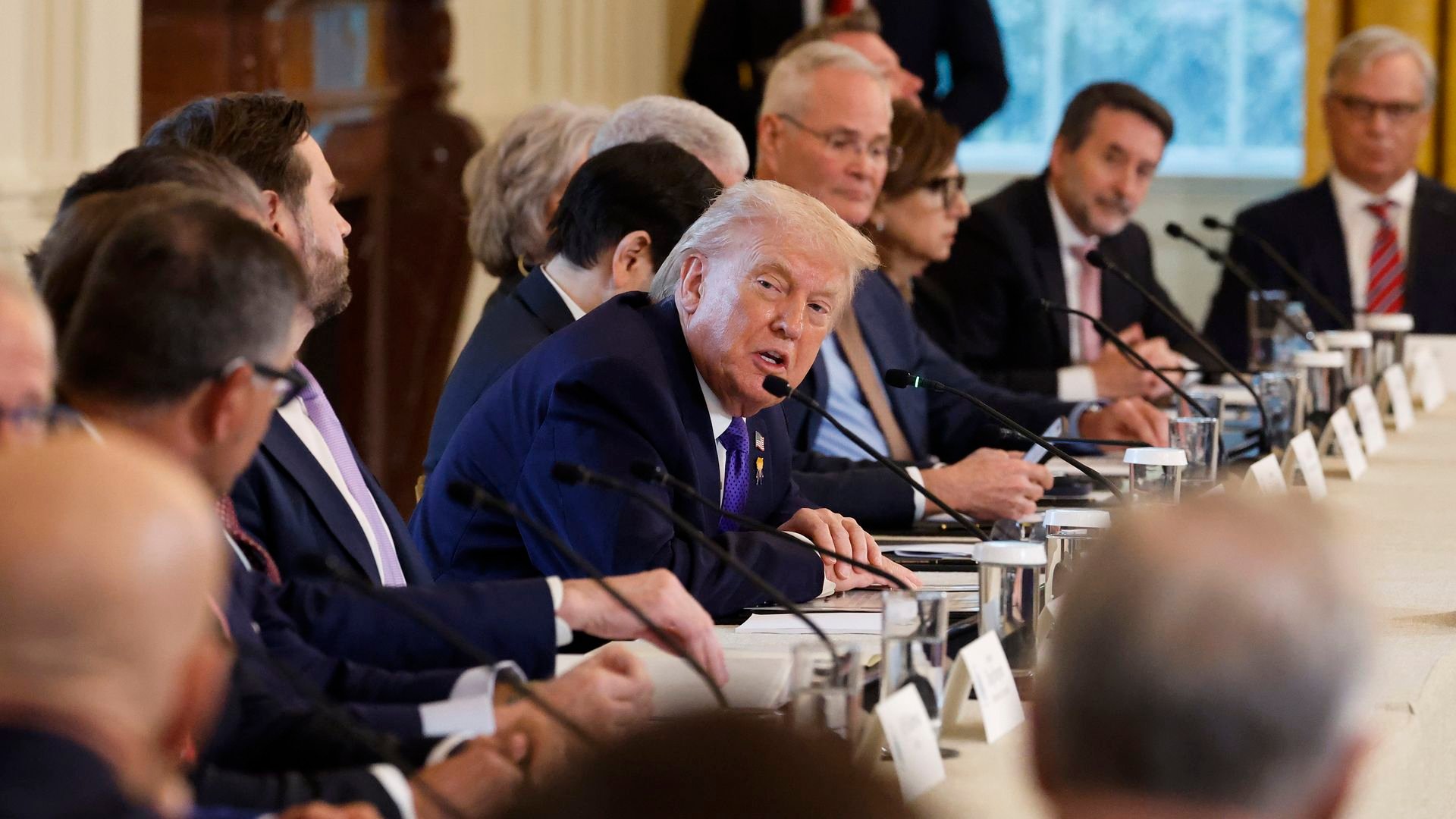
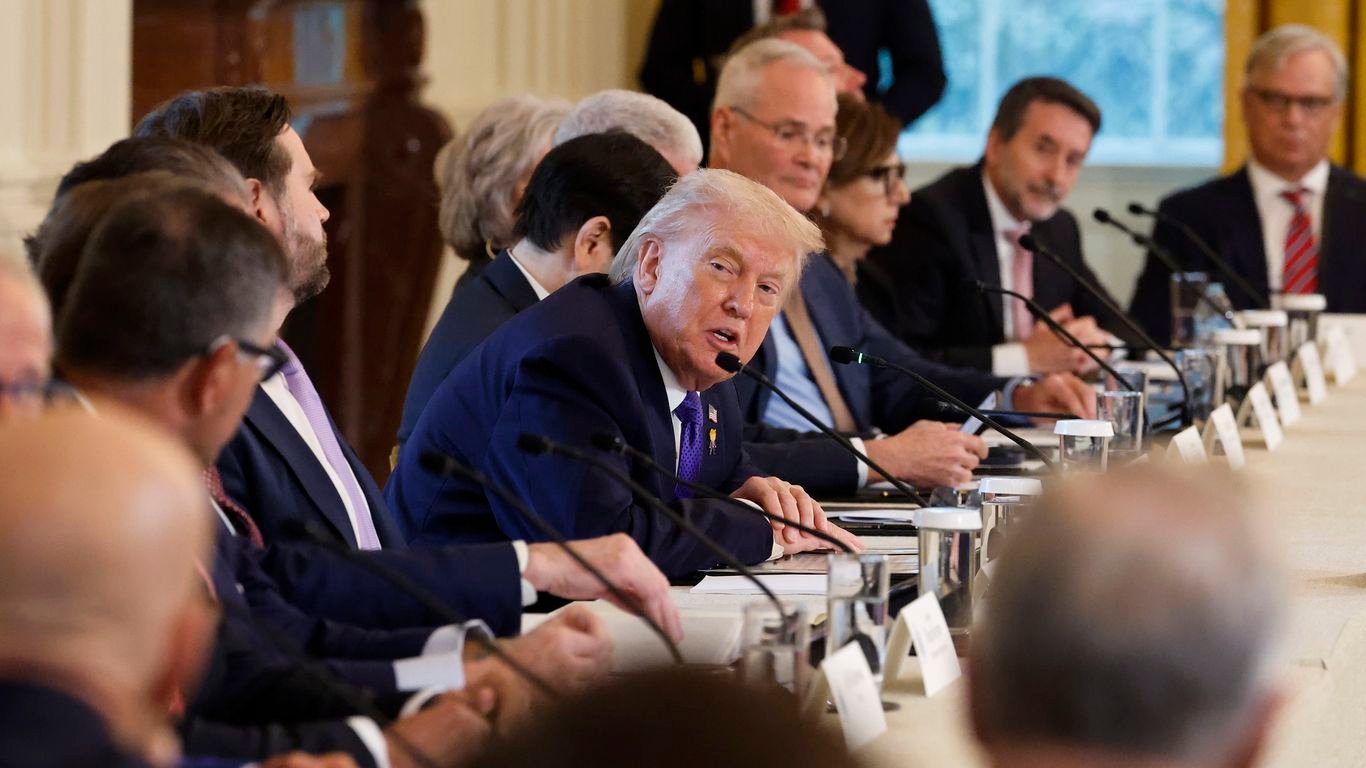
The chief executives of ExxonMobil, Chevron, and ConocoPhillips met with President Trump and Energy Secretary Rick Perry on Friday, emerging with a unified position: they need more clarity on sanctions relief before considering any return to Venezuela's oil sector.
The meeting came as the administration weighs whether to ease restrictions on Venezuelan crude imports to combat rising domestic gasoline prices. Executives presented a cautious stance, emphasizing that the risks of operating in Venezuela's deteriorating political and economic environment remain prohibitive without ironclad guarantees.
Sanctions Create Uncertainty
Venezuela holds the world's largest proven oil reserves at 303 billion barrels, yet production has collapsed from 3.4 million barrels per day in 1998 to under 800,000 today. The country's infrastructure is in ruins, and foreign investment has fled under years of sanctions and mismanagement.
ExxonMobil CEO Darren Woods told reporters after the meeting that "the math doesn't work" under current conditions. The company needs to see "sustained policy commitments" and "legal protections" before committing capital. Exxon exited Venezuela in 2007 after Hugo Chávez nationalized its operations, and Woods made clear the company hasn't forgotten that lesson.
Chevron, which maintains a limited presence through a joint venture structure, has been operating under a U.S. Treasury license that expires in April. CEO Mike Wirth said the company needs "regulatory certainty" before making any expansion decisions. "We're not going to put capital at risk without knowing we can operate reliably," Wirth stated.
Market Realities
The executives presented data showing that even with sanctions lifted, Venezuelan oil would face significant challenges:
- Production costs: Rebuilding infrastructure would require $20-30 billion in initial investment, with operating costs among the highest in the Americas
- Quality issues: Much of Venezuela's heavy crude requires specialized refining capacity that U.S. Gulf Coast facilities have largely converted to process lighter domestic shale oil
- Competition: Canadian heavy crude already fills the market niche, with established pipeline routes and stable regulatory frameworks
- Timeline: Even optimistic estimates suggest 3-5 years before Venezuela could add meaningful production capacity
Strategic Implications
The administration's interest in Venezuelan oil reflects broader energy security concerns. U.S. crude imports have risen 12% year-over-year as domestic production growth has plateaued, and gasoline prices have climbed above $3.50 per gallon nationally, up from $2.85 a year ago.
However, the oil executives argued that the solution lies elsewhere. They pointed to recent regulatory approvals that have accelerated U.S. offshore leasing and pipeline permitting. ConocoPhillips CEO Ryan Lance noted that "the quickest path to supply security is right here at home," referencing the Permian Basin and Gulf of Mexico.
The meeting also highlighted a potential split within the energy sector. While major integrated producers remain cautious, some independent producers and trading firms have quietly explored Venezuelan opportunities. The administration could potentially issue targeted sanctions relief that favors smaller, more agile companies over the majors.
What Comes Next
The Treasury Department's license for Chevron expires in April, creating a decision point. Administration officials have signaled they may extend the license but haven't committed to broader sanctions relief. The oil executives' noncommittal stance suggests they're preparing for either outcome: continued limited operations or a full exit if conditions worsen.
For investors, the message is clear: Venezuelan oil won't be flowing in meaningful quantities anytime soon, regardless of political rhetoric. The country's oil sector requires years of investment and stability before it can contribute meaningfully to global supply, and U.S. majors aren't willing to take that risk without stronger government backing.
The meeting's outcome underscores a fundamental shift in how the industry approaches geopolitical risk. After losing billions in Venezuela, Argentina, and other countries that nationalized assets, major oil companies now demand policy certainty that no single administration can guarantee. That reality makes any Venezuelan oil renaissance unlikely, at least involving the industry's biggest players.
Comments
Please log in or register to join the discussion