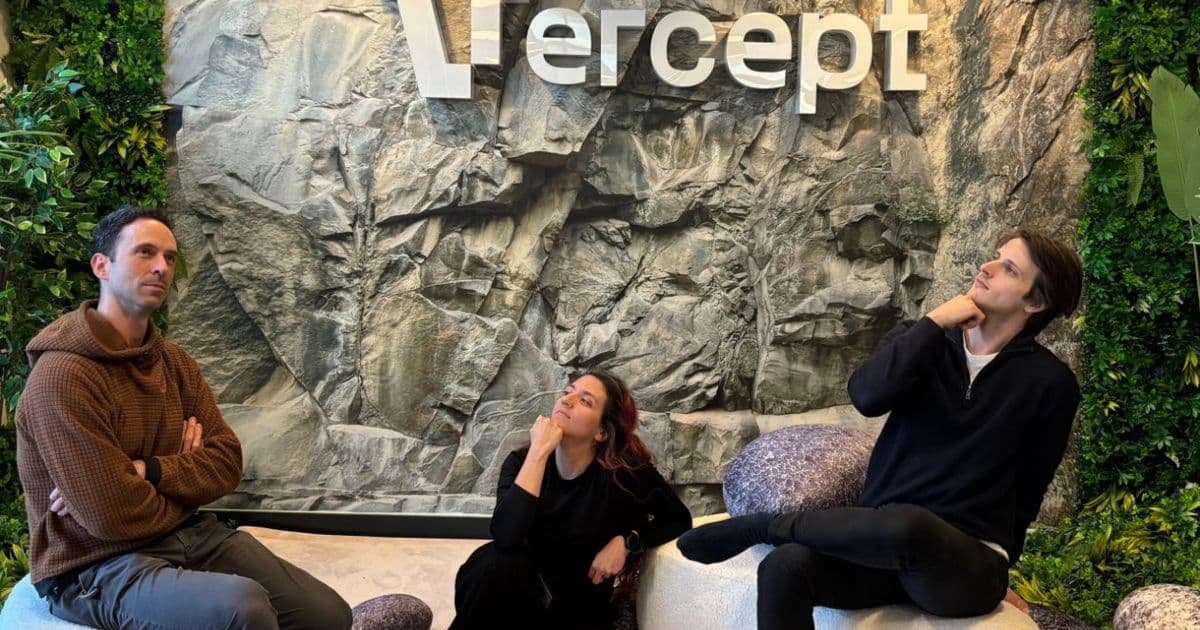
Anthropic has acquired Vercept, a Seattle startup that developed Vy, a desktop agent that lets users control Macs and PCs using natural language. The acquisition aims to advance Claude's computer use capabilities, though financial terms weren't disclosed.
Anthropic has acquired Vercept, a Seattle-based startup founded by alumni of the Allen Institute for AI, in a move that signals the company's ambition to enhance Claude's ability to interact with computers through natural language commands.
The acquisition, announced by GeekWire, comes as Anthropic seeks to expand Claude's capabilities beyond traditional conversational AI into more practical, hands-on applications. Vercept's flagship product, Vy, is a desktop agent that allows users to control both Mac and PC systems using natural language instructions.
While financial terms of the acquisition weren't disclosed, the strategic importance is clear. As AI assistants become more sophisticated, the ability to translate natural language requests into actual computer actions represents a significant leap forward in usability and functionality.
What Vercept Brings to the Table
Vercept's Vy desktop agent represents a practical solution to a common problem: bridging the gap between what users want to accomplish and the technical steps required to do so on a computer. Instead of navigating complex menus or remembering specific keyboard shortcuts, users can simply describe what they want to do in plain language.
The technology likely involves a combination of computer vision, natural language processing, and automation capabilities. By understanding both the user's intent and the current state of the computer interface, Vy can execute tasks ranging from file management to application control.
Strategic Implications for Anthropic
This acquisition positions Anthropic to compete more directly with other AI companies exploring computer automation. While OpenAI has demonstrated similar capabilities with tools like ChatGPT's ability to analyze screenshots and execute tasks, Anthropic's approach through Claude could offer a more integrated solution.
The move also suggests Anthropic is thinking beyond just conversation and content generation. By acquiring technology that can actually control computers, they're positioning Claude as a potential replacement for traditional user interfaces in certain contexts.
The Broader Context of AI Agents
Anthropic's acquisition of Vercept fits into a larger trend of AI companies developing more autonomous and capable agents. The market has seen increasing interest in AI systems that can not only understand and respond to queries but also take action on behalf of users.
This trend is evident in other recent developments, such as Perplexity's launch of "Perplexity Computer," described as "a general-purpose digital worker" that can route work across 19 different AI models. Similarly, Claude Code has introduced remote control capabilities, allowing users to start tasks in their terminal and pick them up from their phone.
Technical Challenges and Opportunities
The integration of Vercept's technology with Claude presents both opportunities and challenges. On the opportunity side, combining Claude's sophisticated language understanding with Vy's computer control capabilities could create a powerful tool for both personal and professional use.
However, technical challenges remain. Computer control through natural language requires precise understanding of user intent, robust error handling, and security considerations. The system must be able to distinguish between similar-sounding commands and handle edge cases gracefully.
Market Impact and Competition
The acquisition comes at a time when the AI agent market is heating up. Companies are racing to develop systems that can not only understand natural language but also execute complex tasks across different applications and platforms.
For Anthropic, this move could help differentiate Claude from competitors like OpenAI's ChatGPT, Google's Gemini, and other AI assistants. The ability to control computers through natural language could become a key selling point for enterprise customers and power users.
Looking Ahead
As Anthropic integrates Vercept's technology, we can expect to see new capabilities added to Claude that go beyond traditional chat interfaces. The company will likely focus on making these features reliable and secure before rolling them out more broadly.
The acquisition also raises questions about the future of human-computer interaction. If AI assistants can effectively control computers through natural language, it could change how we think about user interfaces and software design.
For now, the tech community will be watching closely to see how Anthropic leverages Vercept's technology to advance Claude's capabilities. The success of this acquisition could determine whether natural language computer control becomes a mainstream feature or remains a niche capability.
What's particularly interesting is how this acquisition fits into Anthropic's broader strategy. The company has consistently positioned itself as focused on AI safety and alignment, and adding computer control capabilities could raise new questions about the responsible deployment of such powerful tools.
As the AI landscape continues to evolve, acquisitions like this one suggest that the future of AI assistants may involve much more than just conversation – they may become true digital companions capable of helping users accomplish real-world tasks through natural, conversational interaction.
Comments
Please log in or register to join the discussion