U.S. officials have privately requested that Israel cease attacks on Iranian energy facilities, citing concerns about regional stability and global oil markets.
The United States has quietly urged Israel to stop targeting Iran's energy infrastructure in recent strikes, according to sources familiar with the matter. The diplomatic push comes amid escalating tensions in the Middle East and growing concerns about the potential for broader regional conflict.
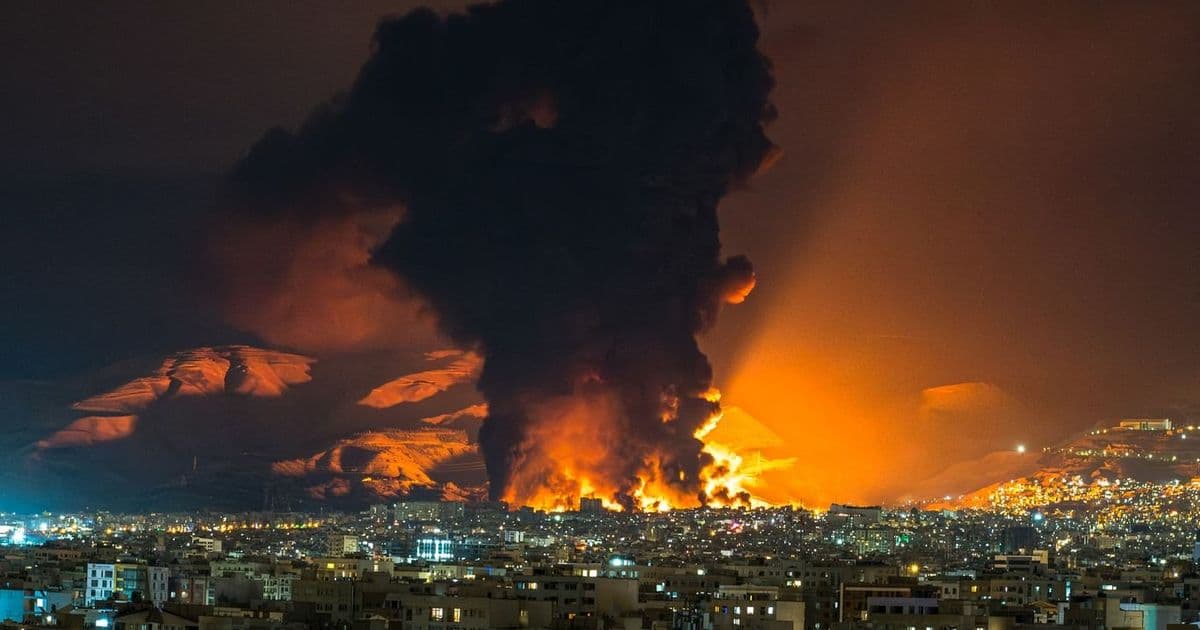
Smoke and flames rise at the site of airstrikes on an oil depot in Tehran on March 7. Photo: Sasan / Middle East Images / AFP via Getty Images
Strategic Calculations Behind the Request
The U.S. request reflects Washington's delicate balancing act between supporting Israel's security interests and preventing a wider conflagration that could destabilize global energy markets. American officials are particularly concerned that sustained attacks on Iran's oil and gas facilities could trigger Iranian retaliation against critical infrastructure in the Persian Gulf, potentially disrupting oil shipments through the Strait of Hormuz.
Sources indicate that U.S. diplomats have emphasized the economic ramifications of continued strikes, noting that even temporary disruptions to Iranian oil exports could send global energy prices soaring. This comes at a time when Western economies are already grappling with inflationary pressures and supply chain challenges.
Israel's Strategic Rationale
Israel's targeting of Iranian energy infrastructure appears to be part of a broader strategy to degrade Tehran's ability to fund proxy groups and military operations across the region. Energy exports account for a significant portion of Iran's government revenue, and Israeli military planners likely view these facilities as high-value targets that could weaken Iran's regional influence.
The strikes represent a significant escalation from Israel's previous operations, which have largely focused on military and nuclear facilities. By targeting economic infrastructure, Israel appears to be adopting a more comprehensive approach to pressuring Iran.
Regional Implications
The U.S. intervention highlights the complex web of relationships and competing interests in the Middle East. While Washington remains committed to Israel's security, it also maintains strategic interests in preventing regional instability that could affect its allies in the Gulf and beyond.
Arab states in the region, many of whom have normalized relations with Israel in recent years, are reportedly monitoring the situation closely. These countries have their own concerns about Iranian aggression but also fear the economic consequences of sustained conflict.
Diplomatic Channels
American diplomats have reportedly conveyed their concerns through multiple channels, including direct communications between senior officials and private discussions at international forums. The request is said to be framed as a temporary pause rather than a permanent cessation of operations, suggesting that U.S. officials are seeking to buy time for diplomatic efforts to gain traction.
The timing of this diplomatic push is significant, coming as international negotiations over Iran's nuclear program continue and as both the U.S. and Israel approach election seasons that could influence their respective foreign policy approaches.
Energy Market Considerations
Global energy markets are particularly sensitive to developments in the Persian Gulf, where approximately 20% of the world's oil supply passes through the Strait of Hormuz. Any significant disruption to Iranian exports could have cascading effects on global prices, affecting everything from transportation costs to manufacturing expenses.
Energy analysts note that even the threat of supply disruptions can cause price volatility, as markets react to perceived risks. The current situation has already contributed to increased market uncertainty, with oil futures showing heightened sensitivity to Middle East developments.
Looking Ahead
The U.S. request to Israel represents a critical juncture in Middle East dynamics. How Israel responds could shape not only the immediate conflict with Iran but also the broader regional order. A continued Israeli campaign against Iranian energy infrastructure could force the U.S. to choose between its alliance commitments and its economic interests.
Meanwhile, Iran is likely weighing its options for retaliation, which could range from asymmetric attacks on Israeli interests to more direct military responses. The coming weeks will be crucial in determining whether diplomatic efforts can prevent further escalation or whether the region is headed toward a more sustained period of conflict.
The situation underscores the interconnected nature of modern geopolitical challenges, where military actions have immediate economic consequences and diplomatic calculations must balance multiple, often competing, interests.
Comments
Please log in or register to join the discussion