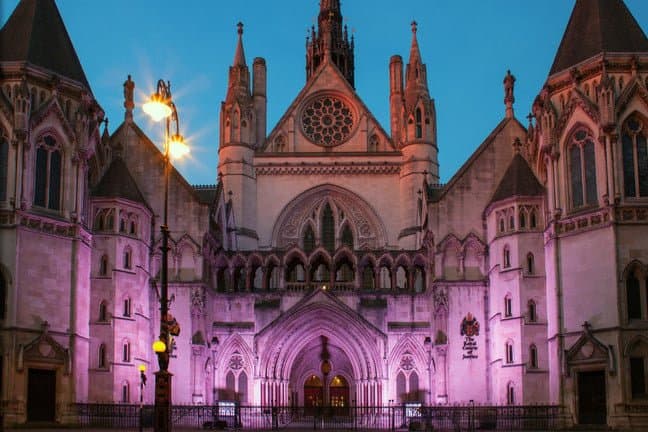
HM Courts and Tribunals Service has completed a five-year migration of 37 court applications from outdated datacenters, moving critical systems to cloud platforms while establishing temporary hosting for legacy applications still awaiting replacement.
The UK's court system has successfully migrated 37 critical applications away from two aging datacenters in Park Royal and Swindon, marking the end of a five-year digital transformation effort that involved moving approximately 2,500 pieces of hardware to more modern infrastructure.
Pete Harrison, HMCTS's program director for decommissioning and legacy risk mitigation, described the challenges of maintaining the outdated systems. "Many of these were so old that finding replacement parts was nearly impossible," Harrison explained. "This created a fragile environment with single points of failure that could disrupt access to essential court services."
The migration project, which began in 2020, took a multi-pronged approach to modernizing court technology. Some applications were completely scrapped, others were upgraded, and many were shifted to cloud platforms. Notable examples include the consolidation of three separate jury management tools into a unified system called Juror Digital, and the implementation of a new digital recording system for Crown Court proceedings.
However, the transition hasn't been entirely complete. HMCTS has moved some applications to "a specially created temporary hosting facility" where they can continue operating until permanent replacements are developed or they can be retired entirely. The courts system continues to work on shutting down applications that have been replaced and upgrading those that will remain in use.
A significant part of the ongoing work involves creating tools to transfer information from older systems including Libra Web, Court Store, and XhibitA into a Common Platform. This platform is intended to become the criminal case management system for all magistrates' and Crown Court cases across England and Wales.
The financial and operational challenges of this transformation have been substantial. In 2023, HMCTS directly awarded consultancy CGI a contract extension worth up to £60 million to maintain around 35 business-critical pieces of software, with most described as "heritage applications" due to their age. The National Audit Office had previously criticized the implementation of the Common Platform, which began in 2016, noting that a 2021 rethink led to a £22.5 million write-off.
These technological challenges are part of broader systemic issues identified in the criminal justice system. Sir Brian Leveson's independent review of the criminal courts, published this week, highlighted legacy IT systems and poor interoperability as contributing factors to a fragmented criminal justice system. The review recommends numerous AI applications to improve efficiency, including summarizing disclosed material, transcribing magistrates' court recordings, providing interpretation of court proceedings, and supporting the case listing process.
The need for continued technological development is underscored by HMCTS's search for a new chief executive. The position, offering a £150,000 salary and open until February 15, requires candidates to demonstrate "experience of leading and delivering significant change within a complex public sector environment, introducing innovative business models, systems and approaches, and delivering greater commerciality and sustainability, including digital innovation to transform delivery."
This migration represents a critical step in modernizing the UK's court system, though the journey toward fully integrated, modern digital infrastructure continues. The temporary hosting facility and ongoing Common Platform development suggest that while the most immediate risks from legacy systems have been addressed, the complete transformation of court technology remains a work in progress.
Comments
Please log in or register to join the discussion