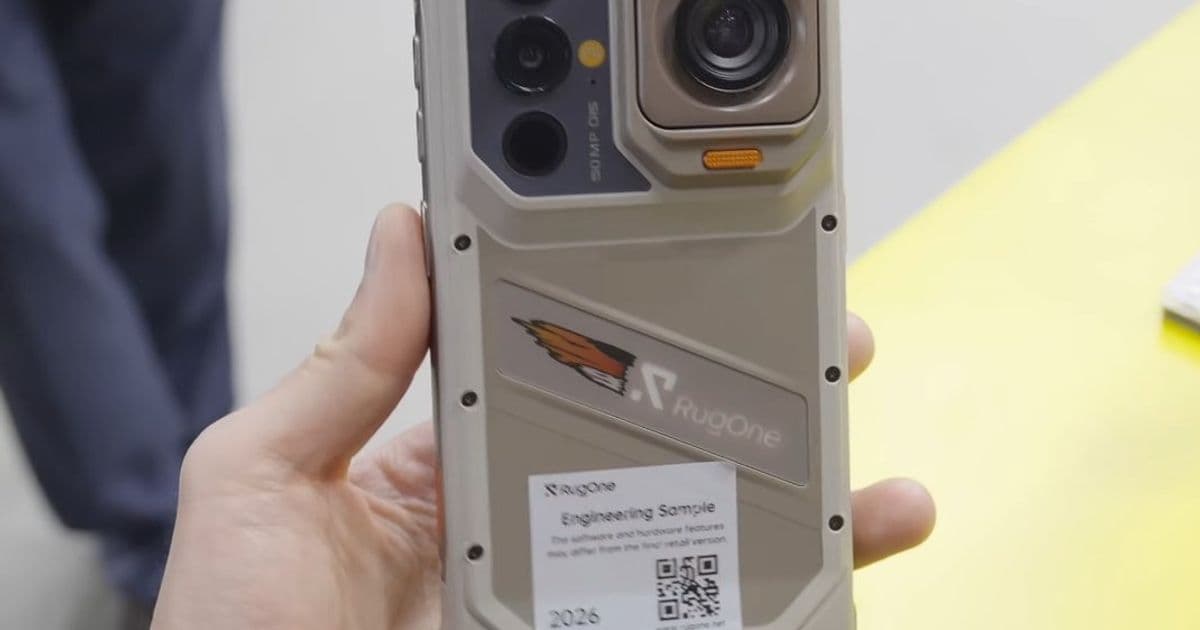
Ulefone's RugOne Xnap 7 Pro prototype features a unique modular design with a removable action camera module that doubles as a standalone camera, challenging traditional smartphone photography.
Ulefone is pushing the boundaries of smartphone design with its RugOne Xnap 7 Pro, a rugged device that features an innovative removable camera system. The phone, which was showcased at Mobile World Congress, combines durability with modular functionality in a way that could reshape how we think about mobile photography.
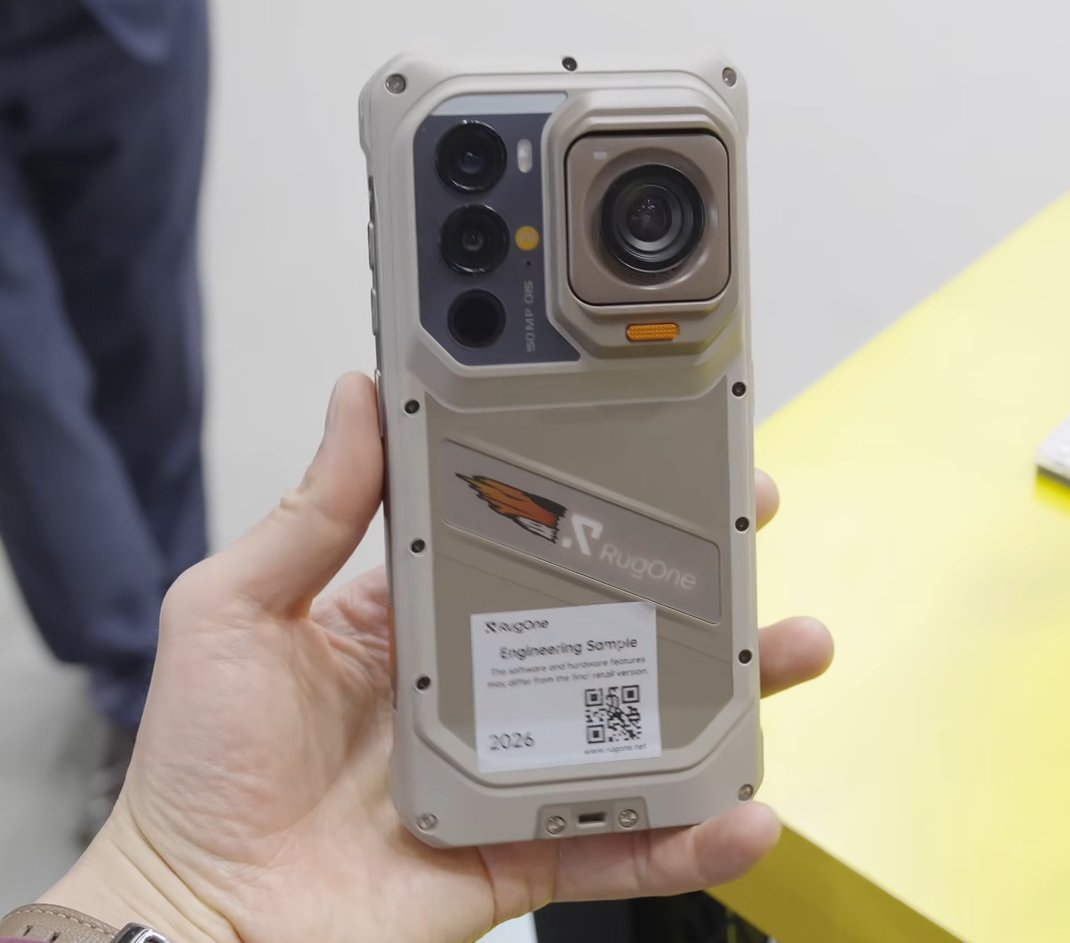
The RugOne Xnap 7 Pro boasts impressive specifications for a rugged device, including a 6.67-inch 120Hz AMOLED display, MediaTek Dimensity 8400 processor, 12GB of RAM, 512GB of storage, and a massive 9,000mAh battery. These specs put it on par with many flagship smartphones, but it's the camera system that truly sets this device apart.
At first glance, the phone appears to have a standard dual-camera setup with a 50MP primary sensor and a 64MP night vision camera. However, the real innovation lies in the third camera module, which can be physically removed from the device and used as a standalone action camera. This modular approach to smartphone photography is reminiscent of earlier attempts like the LG G5's modular design, but with a more practical implementation.
The action camera module attaches to the phone using magnets and communicates through pogo pins when docked. This design allows for several useful features: using the phone's screen as a viewfinder, transferring photos taken while the module was disconnected, and keeping the module charged when not in use. The magnetic attachment system ensures a secure connection while allowing for easy removal when needed.
What makes this concept particularly interesting is its potential for expansion. While Ulefone is currently only demonstrating the action camera module, the modular design theoretically allows for other camera types to be swapped in. This could include telephoto lenses for better zoom capabilities, thermal cameras for specialized applications, or even other types of sensors that could expand the phone's functionality beyond photography.
During the Mobile World Congress showcase, Ulefone also revealed accessories that would allow users to mount the action camera on a hand grip or wear it like a necklace. These accessories suggest that Ulefone is positioning the removable camera as a serious alternative to dedicated action cameras like GoPros, offering the convenience of having both a smartphone and an action camera in one device.
However, it's important to note that the RugOne Xnap 7 Pro is currently only a prototype. Detailed specifications for the action camera module haven't been revealed yet, and there's no information about pricing or availability. This leaves many questions unanswered about the camera's capabilities, battery life when used independently, and overall image quality.
This isn't the first time we've seen modular concepts in the rugged smartphone space. Last year, Oukitel introduced a rugged concept phone with a modular section that allowed users to pop out accessories like a small display or camp light and wear them on a wristband. These experimental designs show that manufacturers are exploring new ways to differentiate their products in a crowded market.
The RugOne Xnap 7 Pro represents an interesting approach to solving a common problem: the need for both a capable smartphone and a dedicated action camera. By combining these into a single device with a removable module, Ulefone is offering a potential solution that could appeal to outdoor enthusiasts, content creators, and anyone who needs a durable device with versatile photography options.
As with any prototype, the success of this concept will depend on execution. The camera module will need to deliver quality images and reliable performance to justify its existence. The magnetic attachment system will need to be robust enough to withstand the rigors of outdoor use. And the overall device will need to balance the added complexity of the modular system with the durability expected from a rugged phone.
While it's too early to say whether the RugOne Xnap 7 Pro will make it to market or find commercial success, it represents an innovative approach to smartphone design that challenges conventional thinking. In an industry where many devices look and function similarly, concepts like this help push the boundaries of what's possible and could inspire future developments in mobile technology.
The modular camera concept also raises interesting questions about the future of smartphone photography. As computational photography continues to advance, could we see more devices with swappable camera modules that allow users to customize their photography experience? Could this lead to a new ecosystem of third-party camera modules that expand the capabilities of our devices?
For now, the RugOne Xnap 7 Pro remains a prototype, but it's a fascinating glimpse into how smartphone manufacturers are thinking about the future of mobile photography and device design. Whether this particular concept makes it to market or not, it's clear that the industry is still exploring new ways to innovate and differentiate in an increasingly competitive landscape.
Comments
Please log in or register to join the discussion