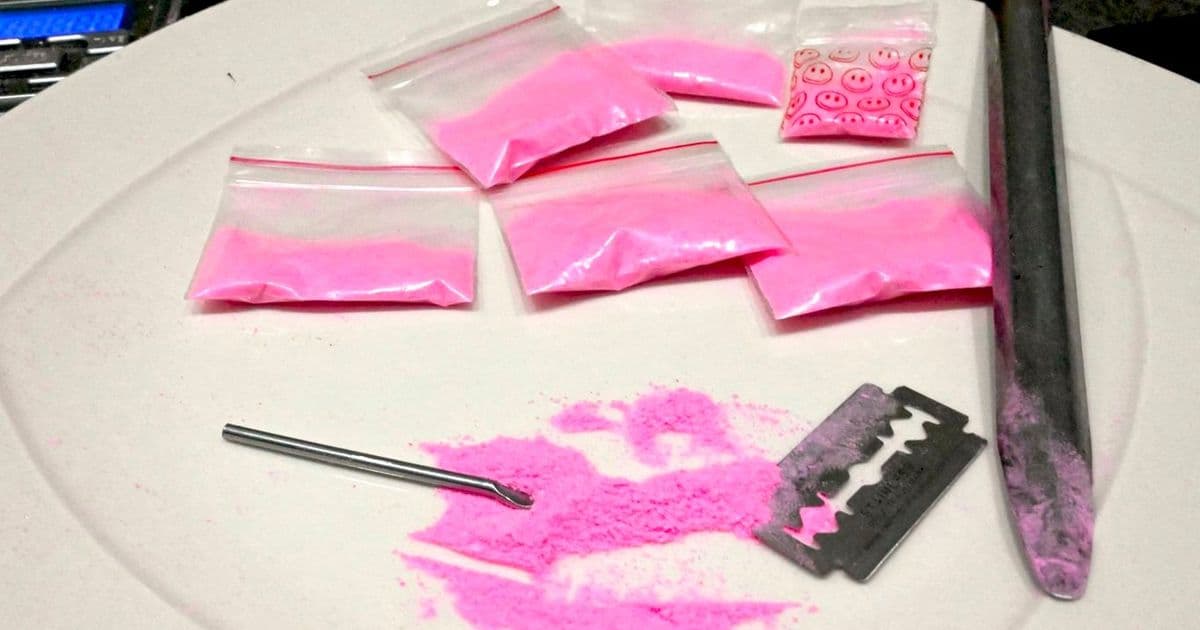
The rapid spread of unregulated synthetic drugs marketed as 'pink cocaine' across U.S. cities presents complex public health risks and enforcement challenges, exposing gaps in drug monitoring systems.
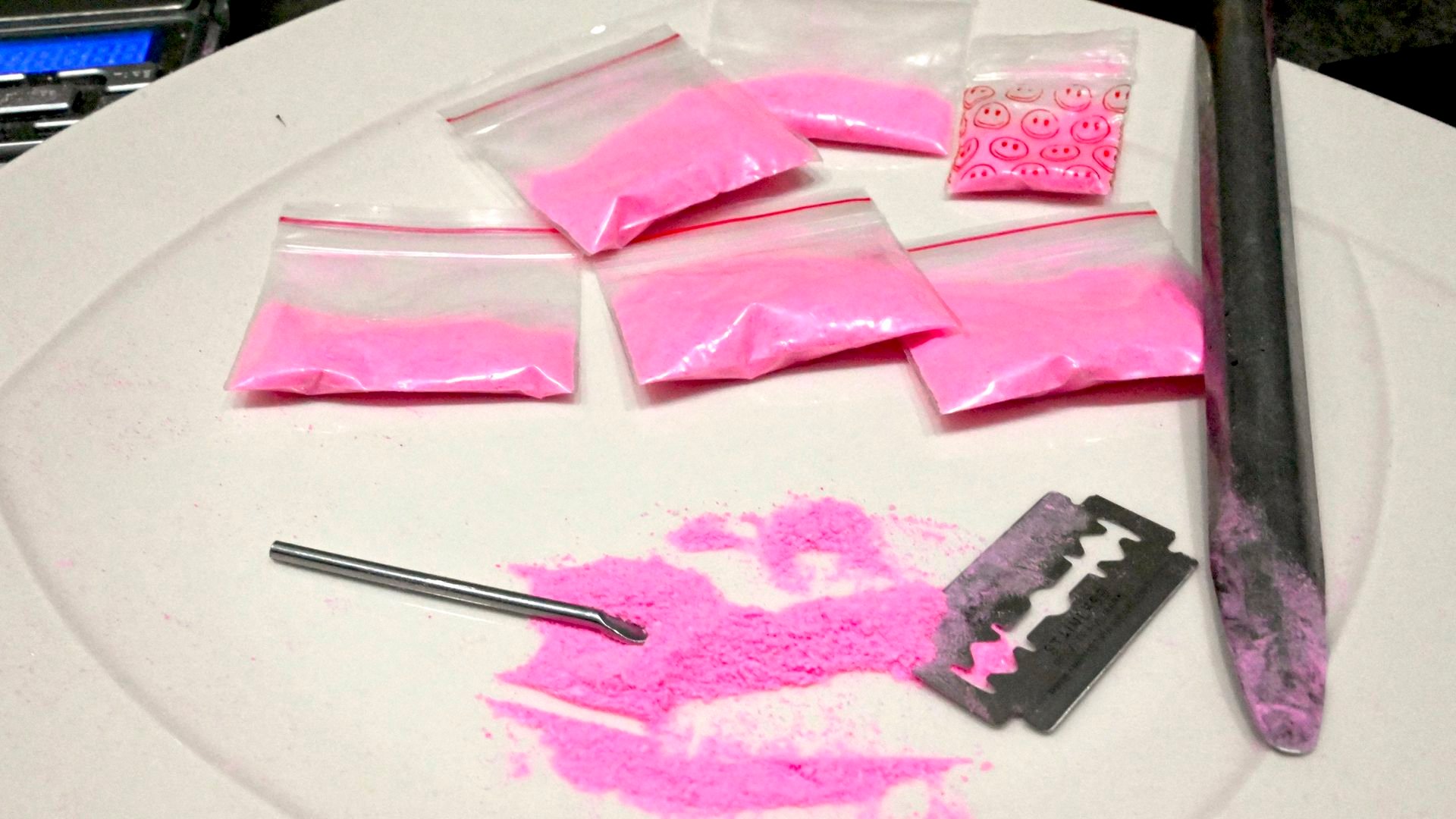
The emergence of so-called 'pink cocaine' (known locally as tusi or pink panther) represents a concerning evolution in North America's synthetic drug market. Unlike traditional cocaine, this pink powder contains unpredictable mixtures of ketamine, MDMA, caffeine, and potentially lethal opioids like fentanyl, creating severe public health risks. Law enforcement agencies report seizures in Miami, New York, and Los Angeles increased 300% year-over-year, with street prices ranging from $20-$50 per gram - significantly cheaper than pure cocaine.
Market analysis indicates this trend correlates with disrupted traditional supply chains and increased synthetic drug production in Colombia, where authorities seized over 1,200 kilograms of pink cocaine precursors in 2023 alone. The DEA's National Forensic Laboratory Information System shows 78% of analyzed samples contain unexpected adulterants, complicating medical responses to overdoses. Public health departments report emergency room visits involving unidentified pink powders surged 45% in Q1 2024 compared to 2023.
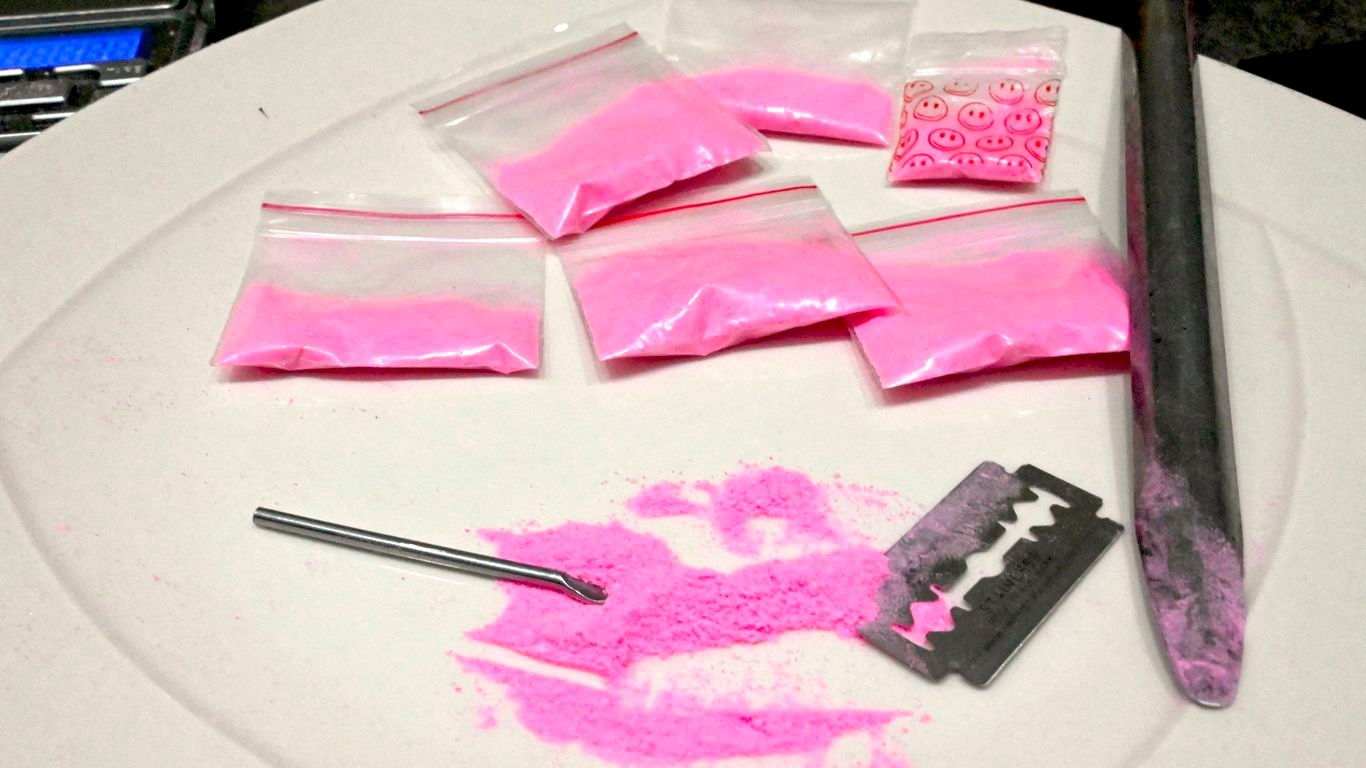
From a strategic perspective, this unregulated market exposes critical gaps in drug surveillance infrastructure. Current testing protocols struggle with rapidly evolving synthetic blends, while inconsistent state-level drug scheduling creates enforcement loopholes. Healthcare systems face mounting costs from overdose treatments averaging $12,000 per hospitalization. The situation demands coordinated federal investment in real-time drug monitoring systems and standardized forensic testing protocols to address this escalating public health and safety challenge.
Comments
Please log in or register to join the discussion