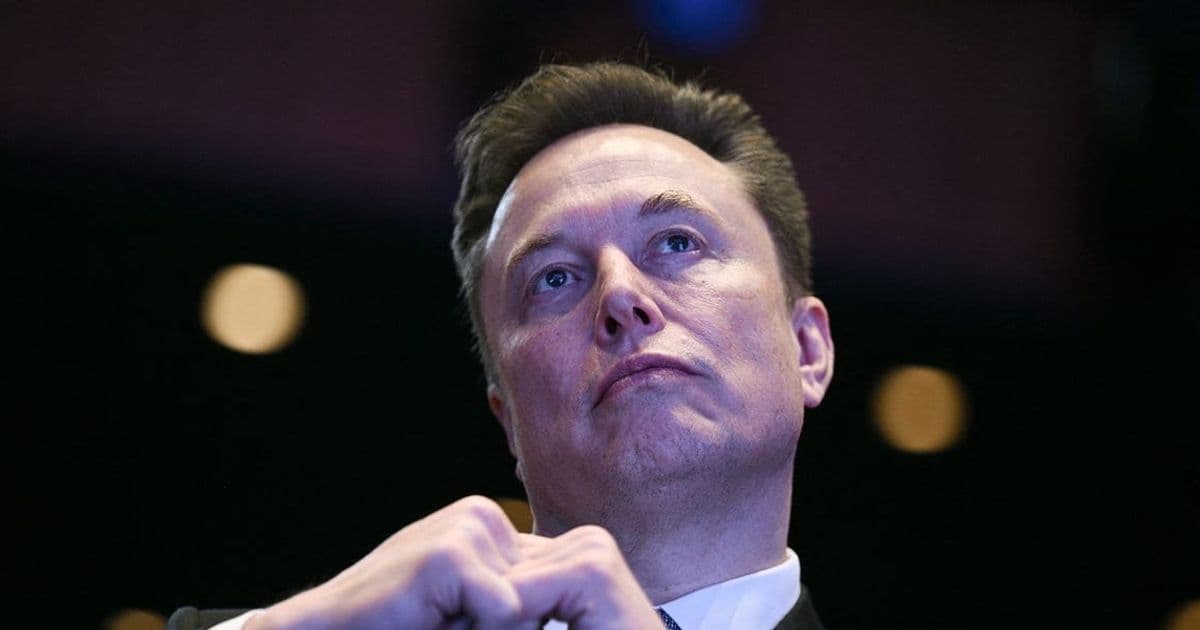
Newly unsealed documents from Elon Musk's lawsuit against OpenAI reveal a fundamental internal conflict over the company's commitment to open-source AI, with co-founder Ilya Sutskever expressing concerns about treating it as a 'side show.' The case, set for a jury trial on April 27, exposes the strategic tensions that shaped OpenAI's evolution from a non-profit research lab to a multi-billion dollar commercial entity.
The legal battle between Elon Musk and OpenAI has entered a new phase, with thousands of pages of unsealed evidence now revealing the internal conflicts that defined the company's trajectory. The documents, filed ahead of a jury trial scheduled for April 27, 2026, paint a picture of an organization grappling with its identity, caught between its founding mission of open-source AI development and the commercial realities of building a sustainable business.
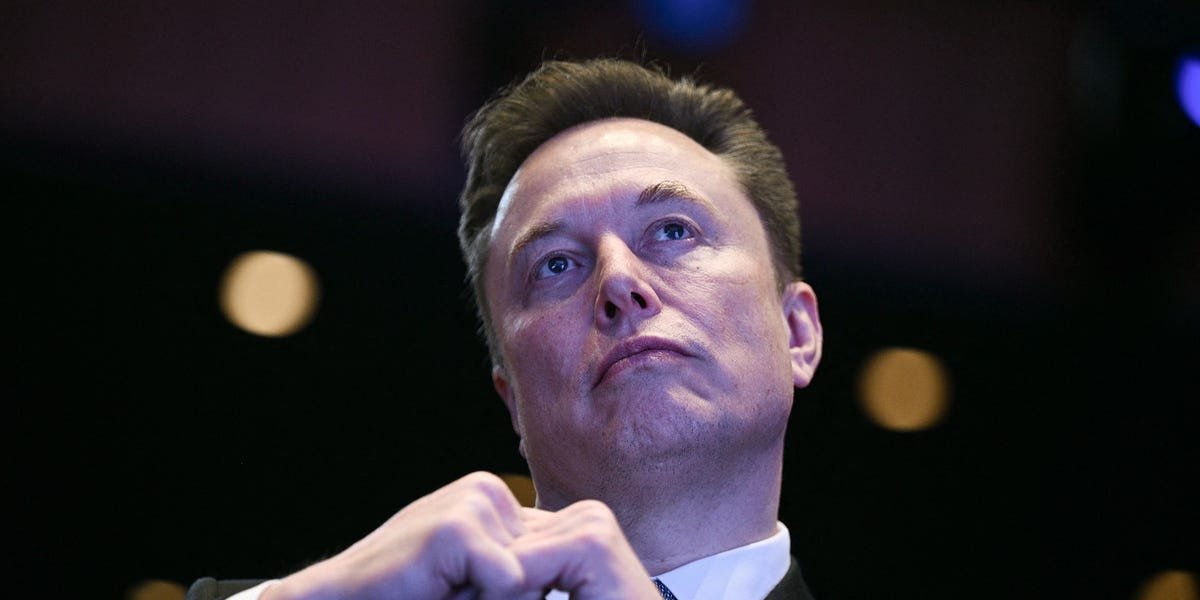
At the heart of the dispute is a fundamental question about what OpenAI was meant to be. Musk's lawsuit alleges that the company betrayed its founding agreement by transforming from a non-profit research lab into a for-profit corporation, with Microsoft as its primary beneficiary. The unsealed documents suggest this transformation wasn't merely a business decision but the result of deep philosophical divisions within the organization itself.
The Open-Source Dilemma
One of the most revealing documents shows Ilya Sutskever, OpenAI's co-founder and former chief scientist, expressing concerns about the company's treatment of open-source AI development. In internal communications, Sutskever reportedly described open-source efforts as being treated as a "side show" within the organization—a secondary priority that received insufficient resources and attention.
This perspective highlights a critical tension in OpenAI's development. The company was founded with a mission to ensure that artificial general intelligence benefits all of humanity, a goal that many interpreted as requiring open and transparent development. Yet as the organization scaled, the practical challenges of maintaining open-source projects while competing with well-funded rivals created strategic friction.
The documents suggest that Sutskever's concerns weren't merely about technical resources but about philosophical direction. Treating open-source AI as secondary implied a shift toward proprietary development, which could create information asymmetries and potentially concentrate AI capabilities in the hands of a few corporations rather than distributing them broadly.
From Non-Profit to Commercial Entity
The unsealed evidence provides context for OpenAI's controversial transition. Internal discussions reveal debates about whether the organization could achieve its ambitious AI research goals while remaining a non-profit. The scale of computational resources required for cutting-edge AI development—measured in billions of dollars for training runs—created pressure to secure substantial funding.
Musk's lawsuit contends that this financial pressure led OpenAI to abandon its founding principles. The documents show how discussions about sustainability evolved into concrete plans for commercialization, with Microsoft's investment of over $10 billion becoming the cornerstone of OpenAI's operational model.
However, the evidence also reveals that this transition wasn't universally supported. Some researchers and employees reportedly expressed concerns about the direction, particularly regarding the balance between open research and commercial interests. The tension between these priorities appears to have been a recurring theme in internal discussions.
The Technical Trade-Offs
From a technical perspective, the open-source versus proprietary debate involves real trade-offs. Open-source AI projects like Meta's Llama series or various research implementations allow for broader scrutiny, faster iteration, and more equitable access to technology. They enable researchers worldwide to build upon existing work without reinventing the wheel.
However, the computational costs of training state-of-the-art models create practical barriers. A single training run for a frontier model can cost tens of millions of dollars in compute alone, not including research salaries, data acquisition, and infrastructure. For a non-profit organization, these costs are difficult to sustain without substantial donor funding or revenue generation.
The documents suggest OpenAI leadership faced a difficult calculation: maintain open-source commitments and potentially fall behind competitors with deeper pockets, or pursue a hybrid model that prioritizes commercial viability while attempting to preserve some open research elements.
Counter-Perspectives and Industry Context
The unsealed documents don't exist in isolation. They reflect broader industry trends where the open-source AI community has gained significant momentum. Projects like Mistral AI, which initially embraced open-source development before raising substantial funding, demonstrate alternative paths. Similarly, Meta's commitment to open-source models like Llama has created a vibrant ecosystem of developers and researchers building upon their work.
Critics of OpenAI's approach argue that the company's move toward proprietary development undermines the democratic potential of AI technology. They point to the concentration of AI capabilities in a few corporations as potentially dangerous, both for competition and for societal oversight.
On the other hand, proponents of OpenAI's model contend that the company's commercial success has enabled research at a scale that would be impossible for non-profits. The resources required for frontier AI research simply don't exist in the traditional academic or non-profit funding models.
The Legal and Ethical Dimensions
The lawsuit's outcome could have implications beyond OpenAI itself. If Musk's claims are validated, it could set precedents for how AI research organizations structure themselves and what obligations they have to their founding principles. The case touches on fundamental questions about the relationship between mission-driven organizations and their financial backers.
The jury trial aspect is particularly significant. Unlike many tech disputes that are resolved through arbitration or settlement, this case will be decided by ordinary citizens who must weigh complex technical and ethical questions. Their verdict could influence how the public perceives the responsibilities of AI companies.
Broader Industry Implications
The OpenAI-Musk dispute reflects a broader tension in the AI industry. As AI capabilities advance, the resources required for cutting-edge research have grown exponentially, creating pressure for commercialization. This has led to a landscape where a handful of well-funded corporations dominate frontier research, while open-source efforts often struggle to keep pace.
However, the unsealed documents also reveal that this tension isn't unique to OpenAI. Many AI research organizations face similar challenges in balancing their research missions with financial sustainability. The difference is that OpenAI's founding story and Musk's involvement have made these internal debates public through litigation.
Looking Ahead
As the April 27 trial date approaches, the tech community will be watching closely. The outcome could influence how other AI organizations approach the open-source question and what obligations they have to their founding missions.
For developers and researchers, the case highlights the importance of understanding the organizational structures and funding models behind AI tools they use. The choice between open-source and proprietary AI isn't just a technical decision—it reflects deeper values about accessibility, transparency, and the distribution of technological power.
The unsealed documents ultimately reveal an organization in transition, grappling with questions that the entire AI industry faces. Whether OpenAI's path represents a necessary evolution or a betrayal of founding principles may depend on one's perspective, but the case ensures these questions will be examined in public, with potentially lasting consequences for how AI technology develops.
The trial will likely provide even more insights into the internal workings of one of AI's most influential companies, offering lessons for the entire industry about the challenges of aligning ambitious missions with practical realities in an era of rapidly advancing and increasingly expensive AI technology.
Comments
Please log in or register to join the discussion