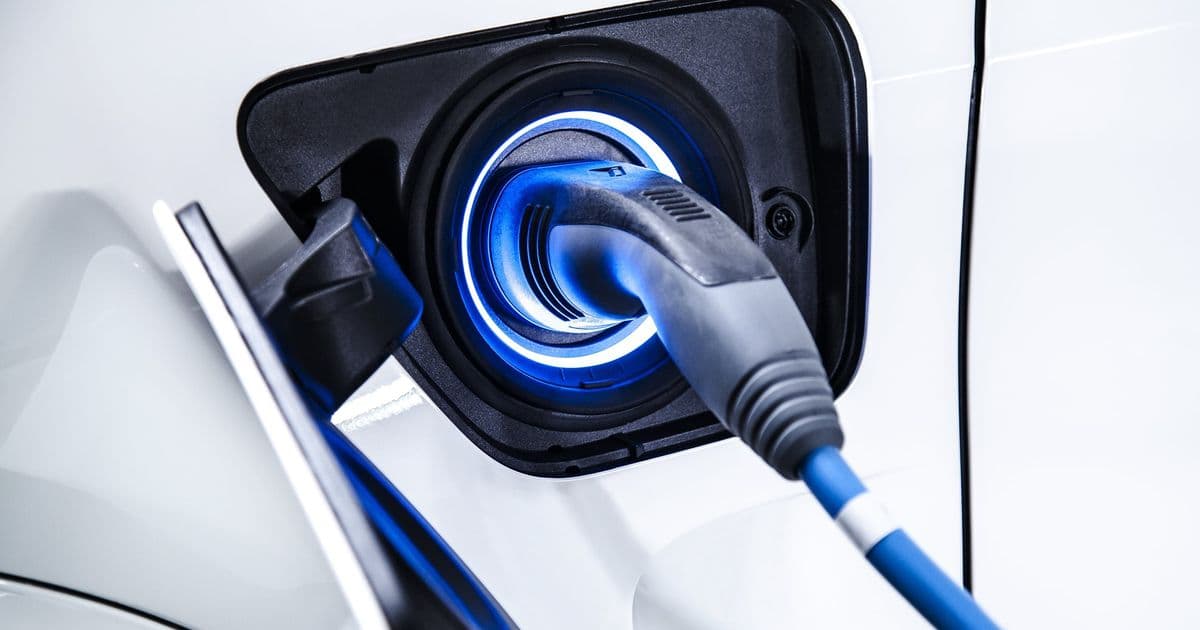
New analysis suggests Europe could narrow its battery cost gap with China from 90% to 30% by 2030 through strategic investment and local production requirements, potentially securing the continent's position in the global EV supply chain.
A new analysis from Transport & Environment (T&E) suggests that Europe's electric vehicle battery cost gap with China could shrink dramatically by the end of the decade, potentially falling from the current 90 percent differential to around 30 percent by 2030. The report, released ahead of the European Commission's delayed Industrial Accelerator Act, argues that this narrowing gap would translate to an average premium of approximately €500 per vehicle for batteries manufactured in Europe rather than imported from China.
The analysis challenges the conventional wisdom that Europe's battery disadvantage stems from a lack of chemical expertise. Instead, T&E contends that the primary issue is simply that Europe hasn't built enough battery manufacturing capacity yet. The report emphasizes that Chinese producers have spent years climbing the manufacturing learning curve, developing efficiencies in production processes, reducing scrap rates, and implementing automation that European factories have yet to achieve at scale.
To bridge this gap, T&E proposes what it calls a "sovereignty premium" – essentially accepting a modest cost difference in exchange for greater supply chain resilience and reduced dependence on foreign suppliers. The group calculates that this premium would amount to roughly $14 per kilowatt-hour, or about €500 for a typical electric vehicle. Rather than viewing this as a crippling expense, T&E frames it as a strategic investment in Europe's industrial autonomy.
However, the report makes clear that achieving this cost reduction won't happen through wishful thinking alone. Europe must actively improve its battery manufacturing capabilities through several key initiatives: driving down production scrap rates, tightening manufacturing processes, implementing strategic automation, and generally moving up the learning curve that Chinese producers have already traversed. The analysis suggests that scale is crucial – European plants need to reach volumes sufficient to compete on price with Chinese imports.
T&E argues that achieving this scale requires more than just building factories; it demands clear policy direction from Brussels. The group recommends tying public subsidies and tax breaks to explicit "Made-in-EU" conditions, ensuring that support for electric vehicles and battery projects translates into actual cells manufactured within Europe rather than simply imported packs rebranded as European products. This approach mirrors earlier transatlantic efforts to secure upstream supply chains, including proposals for a US-EU "critical minerals club" aimed at reducing dependence on Chinese processing of key battery materials.
The timing of this analysis is particularly significant as Brussels prepares to unveil its Industrial Accelerator Act, a comprehensive plan to channel public funding into "strategic" industries including batteries, renewable energy, and hydrogen production. Originally scheduled for presentation last week, the act's unveiling was delayed after "Made-in-EU" provisions in the draft text drew strong resistance from various stakeholders. Critics argue that such requirements could risk closing the EU market, trigger price hikes, and create bureaucratic overload.
This debate reflects broader tensions within the European automotive and energy sectors. Some automakers have warned that strict local content requirements could increase costs and complicate existing supply relationships at a time when global competition is intensifying. The automotive industry is already grappling with multiple challenges, from Tesla's recent revenue decline as the company bets heavily on robotics and autonomy, to Waymo's expansion into China with vehicles designed to withstand harsh weather conditions.
The T&E analysis arrives against a backdrop of increasing geopolitical tensions over critical technologies. Recent developments include Poland banning camera-equipped cars manufactured in China from military bases, and Tesla dropping "Autopilot" branding in California following regulatory pressure. These incidents underscore the complex interplay between technology, national security, and economic competitiveness that characterizes the current EV landscape.
Despite these challenges, T&E maintains that without clear local content requirements and strategic support for domestic manufacturing, European producers may never achieve the scale necessary to compete on price with Chinese imports. The group's message is unambiguous: the cost gap with China doesn't have to be permanent, but closing it will require decisive policy action rather than passive reliance on market forces.
The outcome of this debate could fundamentally shape Europe's role in the global electric vehicle race. As the continent seeks to balance economic competitiveness with strategic autonomy, the decisions made in the coming months regarding battery manufacturing policy could determine whether Europe becomes a leader in EV technology or remains dependent on Asian supply chains for critical components. The Industrial Accelerator Act, when finally unveiled, will likely serve as a crucial indicator of Brussels' commitment to building a self-sufficient European battery industry capable of competing with Chinese manufacturers on both cost and quality.
Comments
Please log in or register to join the discussion