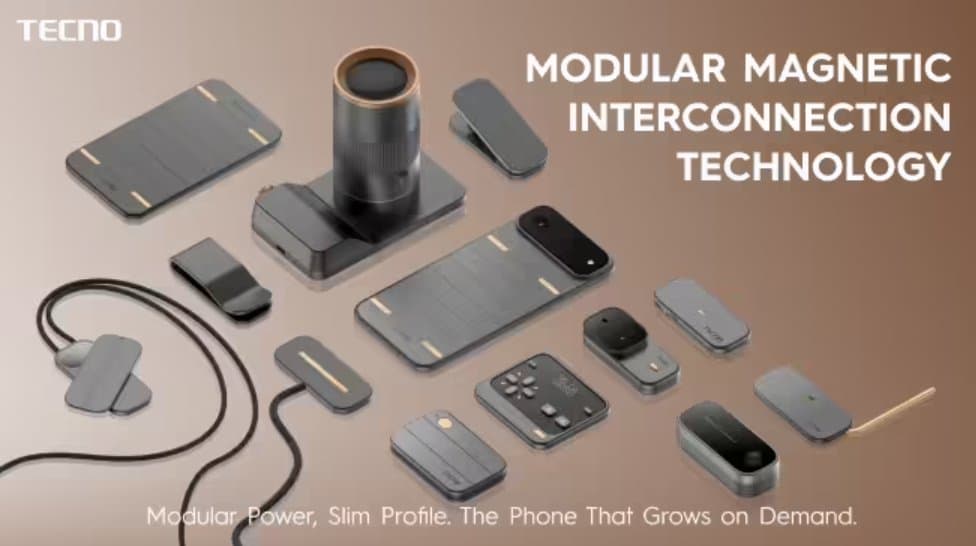
Tecno unveiled a 4.9mm thick modular smartphone concept at MWC 2026 that lets users swap components like cameras and batteries in minutes using magnetic connectors.
Tecno, the smartphone brand owned by Transsion, has unveiled a radical new concept at Mobile World Congress 2026 that challenges the fundamental design philosophy of modern smartphones. The company's ultra-slim modular phone prototype demonstrates how users might soon be able to upgrade their devices without replacing the entire handset.
Breaking Free from Fixed Hardware
The concept addresses a persistent frustration in the smartphone industry: the need to purchase an entirely new device to access new features or capabilities. Traditional smartphones lock users into a single hardware configuration for the life of the device, forcing upgrades even when only one component needs improvement.
Tecno's solution is elegantly simple in principle but technically complex in execution. The prototype measures just 4.9mm thick - remarkably slim for any smartphone, let alone one with modular capabilities. The device features a matte glass finish and a distinctive rectangular magnetic array that runs along its back panel.
How the Modular System Works
Power delivery between modules and the main device happens through pogo-pin connectors - those spring-loaded pins that create reliable electrical contact while allowing for easy attachment and removal. For data transmission, Tecno has implemented a multi-protocol approach using Bluetooth, Wi-Fi, and millimeter-wave connectivity.
This hybrid connectivity strategy is particularly clever. While pogo pins handle the power needs reliably, the wireless data options eliminate the need for physical data connectors that would add bulk and complexity. Millimeter-wave technology, typically associated with 5G networks, provides high-bandwidth wireless communication between modules.
Swappable Components in Minutes
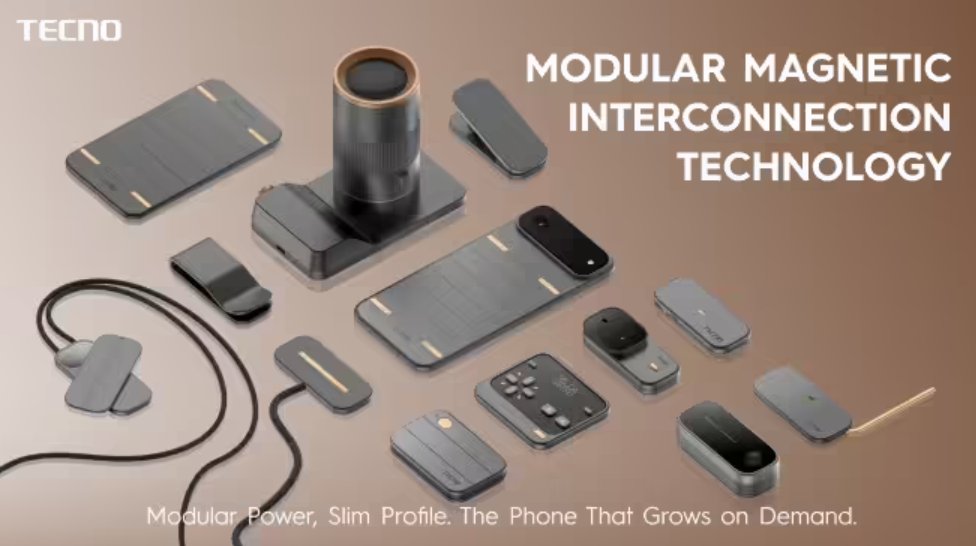
The prototype supports several types of modules that users can attach or swap as needed:
- Snap-on power banks for extended battery life
- Camera lenses with different optical characteristics
- Gaming grips that enhance the handheld gaming experience
Each module attaches magnetically and can be installed or removed in minutes, according to Tecno's demonstrations. This quick-change capability means users could, for example, add a telephoto lens for a photography session, then swap it for a gaming grip when heading to a gaming event.
The Business Model Challenge
While the technology is impressive, the concept faces significant hurdles before reaching consumers. The modular smartphone market has seen several attempts fail, most notably Google's Project Ara and LG's G5 with its "Friends" accessories.
Tecno's approach appears more pragmatic than these previous efforts. Rather than creating an entirely new phone architecture, the company has focused on making the modular system as thin and seamless as possible. The 4.9mm profile is particularly noteworthy - it's thinner than many non-modular flagship phones.
Ecosystem Potential
Tecno has hinted at a broader vision where Transsion would open its modular standards to third-party manufacturers. This ecosystem approach could be crucial for success, as it would allow a wide range of accessories and modules to flourish, similar to how the PC ecosystem developed around standard components.
However, this also presents challenges. Creating and maintaining open standards requires significant coordination and could potentially limit Tecno's control over the user experience. The company would need to balance openness with quality control and security considerations.
Technical Feasibility
The use of millimeter-wave connectivity for module communication is particularly interesting from a technical standpoint. This high-frequency spectrum can support extremely high data rates - potentially gigabits per second - which would be necessary for transmitting high-resolution camera data or supporting complex gaming peripherals.
Pogo-pin connectors, while reliable, do present durability concerns. Each connection and disconnection cycle wears down the pins slightly, and maintaining reliable contact over thousands of cycles in a thin device is non-trivial. Tecno would need to demonstrate that these connectors can withstand typical smartphone usage patterns.
Market Timing
The modular concept comes at an interesting moment in the smartphone market. With global smartphone sales plateauing and consumers holding onto devices longer, manufacturers are looking for ways to reinvigorate upgrade cycles. A modular system that allows meaningful upgrades without full replacements could appeal to environmentally conscious consumers and those looking to extend their device lifespan.
Transsion, Tecno's parent company, has built its success on understanding and serving emerging markets. A modular phone concept could be particularly appealing in regions where consumers are more price-sensitive and value-conscious about their technology purchases.
Looking Ahead
The prototype remains just that - a concept demonstration rather than a product ready for market. Tecno hasn't announced any timeline for commercialization or pricing strategies.
What's clear is that the company is thinking differently about smartphone design and trying to solve real user pain points. Whether this particular implementation succeeds or not, the modular concept represents an important exploration of alternatives to the current smartphone upgrade model.
The success of such a system would ultimately depend on execution across multiple dimensions: technical reliability, ecosystem development, pricing, and most importantly, whether consumers actually want modular phones enough to change their purchasing behavior. Tecno's ultra-thin approach and focus on practical modules like power banks and camera accessories suggests the company is trying to address these challenges head-on.
For now, the concept remains an intriguing glimpse of what might be possible when smartphone design breaks free from the constraints of fixed hardware configurations. Whether it becomes a commercial reality will depend on how well Tecno can translate this prototype's promise into a practical, desirable product.
Comments
Please log in or register to join the discussion